Crooked Marquee Staff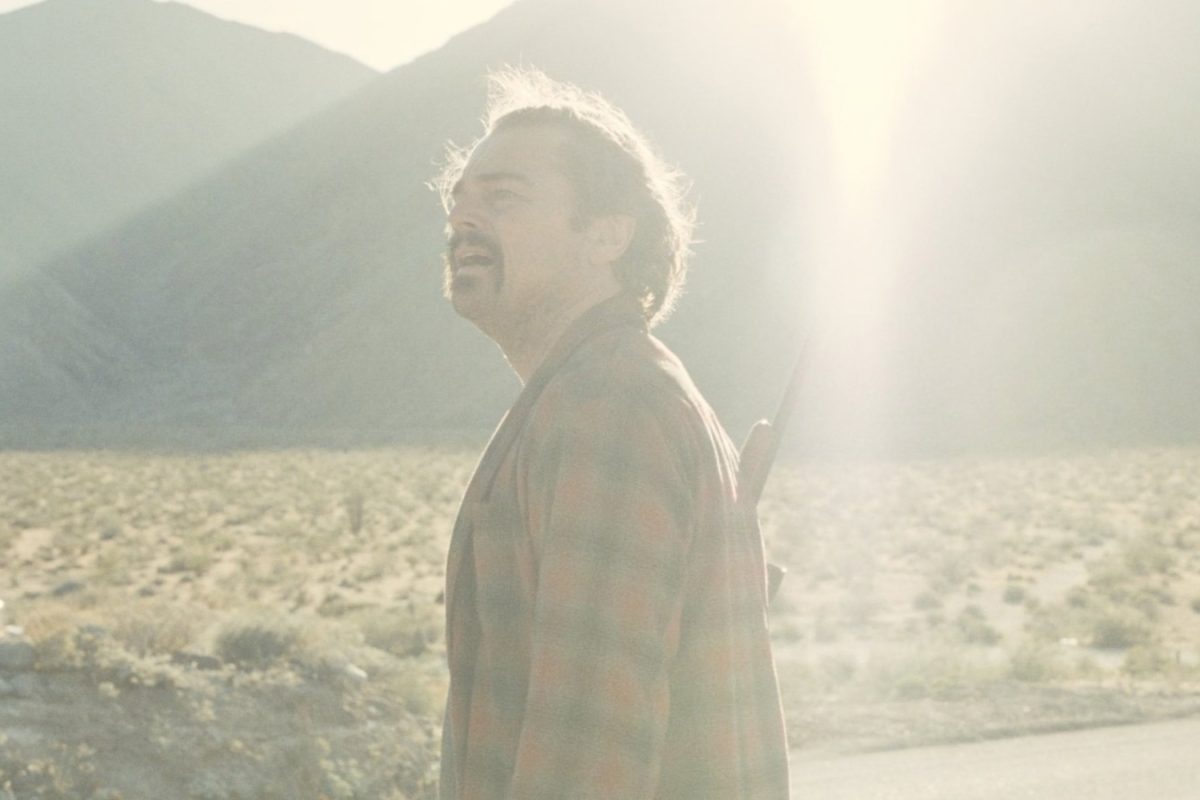
2025 was a year noteworthy for its chaos, a time in which we’ve all watched helplessly as our institutions, laws, and sense of normalcy seemed to crumble at the snap of a deranged despot’s fingers. The year’s cinema captured that chaos – miraculously, it would seem, as most movies take at least a calendar year from photography to release, and so though many of them seemed a response to Trump 2.0, they could not have been. Instead, they’re reflections of filmmakers in tune with the times, taking a good, deep whiff of the rot around us, and reflecting it in their art.
At the same time, many of us also took the time this year to explore the cinema of the past, because sometimes you have to know your past to know your future. And sometimes you’d like, at least for a couple of hours, to escape from the madness around you.
JASON BAILEY’S TOP 10 NEW RELEASES OF 2025
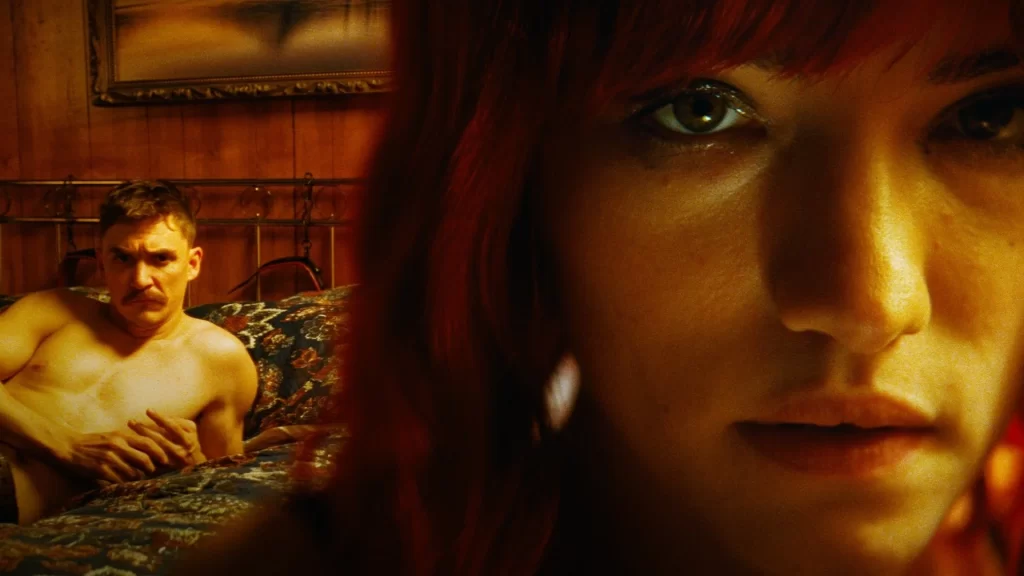
10. If I Had Legs, I’d Kick You
I’m not sure I’ve ever seen a film so vividly capture the moment-to-moment feeling of living with anxiety (and living around people with it) — which makes it a nerve-rattling, sometimes harrowing sit. But it’s putting a real state of being on screen, anchored by a jaw-dropping performance by Rose Byrne; writer/director Mary Bronstein opens with a close-up of Byrne’s face, listening, stressed, already fuming, and as she listens, flinches, and reacts, it pushes in closer, and closer, and somehow closer still. And that’s a pretty apt visual representation of the entire movie.
9. The Phoenician Scheme
One day, we will look back at how Wes Anderson was taken for granted, how so many film critics and film fans saw his prolific output and distinctive style as a bug rather than a feature, and wonder what on earth they were collectively smoking. Yes, his latest features his signatures: a fussy yet enthralling sense of composition, marvelously intricate production design, jazzy camera movement, an expansive but impressive ensemble cast, and quotable dialogue. But as he always does, he’s also trying new things — and saying new things, subtly baking questions of legacy, family, and honesty into this wickedly funny globe-trotting adventure. Benicio del Toro is magnificent in the leading role, but newcomer Mia Threapleton steals the show with her bone-dry line readings and A+ comic timing.
8. SLY LIVES! (aka The Burden of Black Genius)
Sadly forgotten in the year-end documentary discussion – likely because it premiered at Sundance clear back in January and dropped on Hulu not long after – is Questlove’s follow-up to his Oscar-winning Summer of Soul, a probing examination of the genius of Sly Stone, his decades-long tailspin after reinvigorating pop and soul music, and what his rise and fall says not just about him as an artist, but the expectations we place on “geniuses” in general, but particularly geniuses of color. Quest is terrifically gifted at running the macro and micro in parallel, of telling the individual story and the larger one simultaneously without sacrificing insights or specifics for either. And beyond all that, the sequences where he gets under the hood of Sly’s best songs, breaking them apart and putting them back together to show exactly how and why they work the way they do, remind us of how lucky we are to have a great musical mind who can also make such riveting cinema.
7. Marty Supreme
“And what do you plan to do if this little dream of yours doesn’t work out?” Marty is asked, and he replies, without hesitation: “That doesn’t even enter my consciousness.” Marty is a grinder, a hustler, and a fabulist, which makes him not dissimilar from the protagonists of the previous movies director Josh Safdie made with his brother Benny; like Uncut Gems’ Howard or Good Time’s Connie, he leaves a trail of chaos and wreckage in his wake. But Marty is more ambitious than those men, and Marty Supreme feels bigger than their films; it’s the story of a quintessential American, imbued with the kind of unearned confidence and unflagging bravado that manages (along with the out-of-period musical score and needle drops) to make it very much a story of who were are right now, and the kind of bullshit artists who got us here.
6. It Was Just an Accident
The title has a double-meaning; the story opens with an automobile accident that sets the events into motion, but what follows is a series of such coincidences and impossibilities that it’s entirely possible that everyone has made grave mistakes. It hinges on a question of identity, as mechanic Vahid (Vahid Mobasseri) encounters a man (Ebrahim Azizi) whom he believes is the government agent who tortured him and several acquaintances years earlier. Writer/director Jafar Panahi finds moments of levity even within this dark story (the image of another possible victim, kicking a van and asking where he is while she’s donning nothing more regal than a wedding dress, is a memorable one), but it all culminates in a long, tough scene of confessions and confrontations that contains some of the most gut-wrenching acting of any film in recent memory.
5. Zodiac Killer Project
Director Charlie Shackleton explains how he nearly made a true crime documentary, using a combination of location scouting footage, wry voice-over, and “evocative B-roll”—one of the many tropes of the true-crime doc that he explains, uses, and skewers here. The final product is an often hilarious deconstruction of the visual and narrative crutches of this lucrative, ubiquitous, and increasingly tiresome form, while also digging into thought-provoking questions of ethics and exploitation. It’s not a comedy, nor is it a spoof, but it feels like it could become the Walk Hard of true-crime docs, rendering them impossible to take seriously after you’ve seen it.
4. Sinners
It is, by now, accepted conventional wisdom that Ryan Coogler is one of the singular filmmakers of his time, a writer and director who merges peerless command of craft with ferocious intelligence and keen insight into how we live now, and how it relates to what came before. Sinners is only his fifth feature directorial effort, but it’s the most pronounced culmination of his considerable gifts, merging genre thrills, breathless storytelling bravado, and unblinking historical examination into a ferociously entertaining package. A minute or so into The Musical Sequence (you know the one) I realized I was leaning all the way forward in my seat; there may be nothing more thrilling than a filmmaker trying something that’s objectively insane, yet possessing the skill to pull it off.
3. Train Dreams
Clint Bentley’s adaptation of Denis Johnson’s novella will no doubt be described by many as “Malick-esque,” because of its aesthetics: nature photography, lens flares, hushed narration whose lyricism matches the sweeping beauty of the images. But it more directly recalls the shorthand of his storytelling — how he’ll let an offhand moment or an unexpected tableau tell us everything about the characters and their relationships. It’s a tender, achingly accurate portrait of overwhelming grief, ranking with Loving as Joel Edgerton’s best work to date, mostly in his heart-wrenching and devastating reactive moments. And what a delight it is that William H. Macy is now old enough to play coots and codgers.
2. Sentimental Value
It’s full of inside jokes about Netflix distribution and inappropriate movies for children, but Joachim Trier’s latest is no inside-baseball show-biz satire; in fact, it’s perhaps not only his most moving picture to date, but one of his most relatable, concerned as it is with the complications of a tense familial dynamic. But the best movies are those that start about one thing, and by their end, you realize they’re about every thing. Sentimental Value is about family, yes. And then it’s also about depression and art and God and resentment and sex and longing and love and beauty and movies. Y’know — the important things.
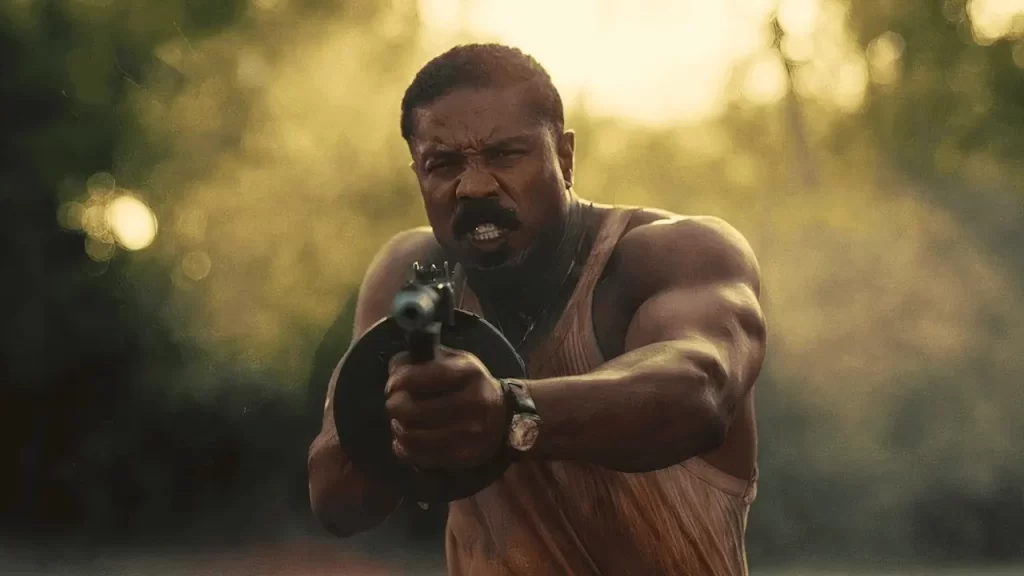
1. One Battle After Another
The twist of watching Paul Thomas Anderson’s scarily prescient picture in the fall of 2025 is that certain touches that might have played like satire not too long ago — like the cabal of white supremacist power brokers in politics and business who are “dedicated to making the world safe and pure” — now feel like straightforward fact. The intensity of the dread Anderson is building throughout One Battle After Another (underlined by the merciless plinking of Jonny Greenwood’s score, the sound of an anxiety attack) is multiplied exponentially by the world it’s being unleashed in, and as we watch military men kidnapping American civilians in broad daylight, it feels pressing and urgent in a way this filmmaker’s work hasn’t before. It’s not a throwaway that we catch Bob watching The Battle of Algiers on TV, but it doesn’t feel aspirational, or hyperbolic. It simply feels that this, like that, was the movie for the moment.
Also recommended: Die My Love, Predators, Cover-Up, The Perfect Neighbor, Sharp Corner, Orwell: 2+2=5, Wake Up Dead Man, Weapons, Eephus, The Testament of Ann Lee, Left-Handed Girl, Roofman, The Mastermind, Kokuho, and Companion.
KIMBER MYERS’S TOP 10 NEW RELEASES OF 2025
10. Weapons
How do you follow up the delightfully deranged surprise that was Barbarian? If you’re Zach Cregger, you make another film that evokes nervous giggles and whispered WTFs from your audience in entirely new ways (though there is a repeat trip to a basement, further validating all of our childhood fears). The director answers the question of what a Paul Thomas Anderson horror movie might look like with this Magnolia-esque movie about what happens when every kid disappears from one suburban elementary school class—except one. It’s wildly funny while feeling like you’re in the midst of a particularly effed-up nightmare.
9. The Naked Gun
I have become this film’s biggest evangelist. Every time I hear the Black Eyed Peas, I turn to the nearest person and say, “Have you heard the good news about our lord and savior, Liam Neeson?” Co-writer and director Akiva Schaffer has crafted a comedy that is so sublimely stupid that an extended bit about the Fergie-fronted group is only like the 15th funniest joke in this hilarious reboot of the classic spoof series.
8. The Mastermind
Kelly Reichardt made a heist movie as only she could. She removed all the requisite pleasures of my favorite genre, slowing and paring things down for this ‘70s-set picture that centers more on the aftermath of a robbery gone wrong than on the execution of the crime itself. Josh O’Connor is on a hell of a run, but this performance as a directionless, down-on-his-luck thief is still a highlight in a string of successes.
7. It Was Just an Accident
Jafar Panahi’s film is a feat of guerrilla filmmaking made surreptitiously while he was under a two-decade-long ban on directing in Iran (and he’s now been sentenced to another year in prison for making this movie). And yet, even if It Was Just an Accident were made in ideal conditions and hadn’t resulted in more trouble for Panahi, it would still be an achievement. This is a sly and sharply observant drama about the far-reaching effects of authoritarian regimes on citizens that deftly moves between mordant humor and overwhelming tragedy.
6. The Secret Agent
While this Kleber Mendonça Filho initially appears restrained in comparison to his 2019 Bacurau, it’s still far more bananas than one expects of a story set in 1977 during the Brazilian military dictatorship. At first, it feels entirely based in historyy with rich period details and a sense of urgency, but then magical realist elements creep in, reminding us that we’re watching a Mendonça film and setting it apart from a whole subgenre of paranoid thrillers. However, it never stops feeling authentic, thanks largely to a grounding performance from Wagner Moura as a man on the run from assassins.
5. Black Bag
Cool and hot all at the same time, this sexy spy thriller is the second movie from Steven Soderbergh this year (after the January release of Presence), which is maybe the only good thing to happen in 2025. The spycraft is a delight in this story about an agent (Michael Fassbender) investigating his wife (Cate Blanchett) as a potential traitor to their country, but the banter between them and their peers (Marisa Abela, Tom Burke, Naomie Harris, and Regé-Jean Page) over dinner is just as much fun. This is 90 minutes of pure enjoyment, from the chic costumes to the couple’s chemistry.
4. Sorry, Baby
Eva Victor’s directorial debut inspires such affection in me that I feel strangely protective of it, almost like it’s a person who I just want everyone to treat with kindness. Be nice to this tender and bittersweet little movie; it’s been through a lot, but it’s very special. A lot of those feelings of warmth are directed toward Victor, who also wrote and stars in this indie drama, but I also cannot stop thinking about the contributions of John Carroll Lynch, who appears in just one scene that ends up being one of my favorite cinematic moments of the year.
3. Marty Supreme
Just like its eponymous table tennis player, this Josh Safdie film is fast, unrelenting, and has a seemingly endless stock of balls. Timothée Chalamet stars as Marty Mauser, a young ping pong pro in the 1950s who just wants to play—and win— the sport that he loves, but the world and his own impulses keep getting in the way of his success. Bold and utterly captivating, Marty Supreme hums with buzzy energy for the quickest 150 minutes of the year. This movie flies by; after making Uncut Gems and Good Times with brother Benny, Josh Safdie knows exactly how much anxiety the audience can take and when to release the valve, if only for a brief respite before cranking it up again.
2. Sinners
Ryan Coogler really blew the doors off with his first original story and his first foray into horror. Films in the genre are almost never exclusively about the on-screen violence the characters and audience endure, but Ryan Coogler imbues Sinners not only with some impressively gnarly gore but also with generations of Black experience and horrors in a way that feels organic. This is a serious work that has a lot to say about Black history in America, but it’s also a banger of a vampire movie with a killer set of diegetic songs.
1. One Battle After Another
Paul Thomas Anderson’s best movie masterfully balances plenty of thematic heft with being an absolute blast. It is somehow 2025’s most trenchant political thriller and the year’s most quotable comedy (apologies to The Naked Gun and “crab hands,” comingin second). Nearly perfect on every level of its execution, One Battle After boasts breathless action sequences, a rat-a-tat score from Jonny Greenwood, and woozy cinematography that impresses whether you’re seeing it in VistaVision, IMAX, or your TV screen. All its technical elements are aces, but the performances from everyone from its marquee stars to bit players emphasize the vivid humanity of the story and the relationships between these fully realized characters.
Also recommended: The Testament of Ann Lee, Hamnet, Sentimental Value, Predators, Nouvelle Vague, Zodiac Killer Project, No Other Choice, If I Had Legs I’d Kick You, Bridget Jones: Mad About the Boy, One of Them Days, 28 Years Later, Wake Up Dead Man
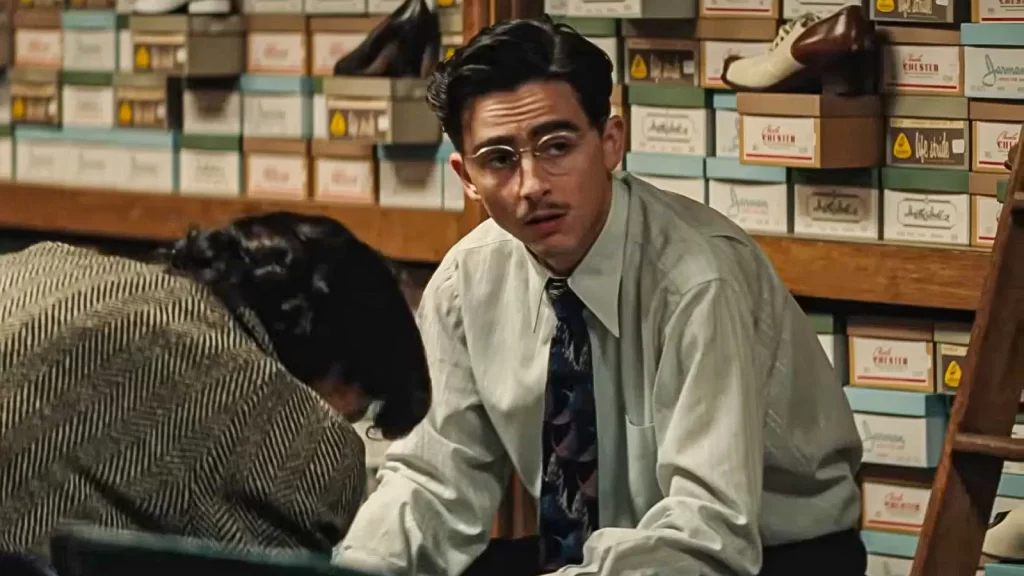
CRAIG J. CLARK’S TOP 10 NEW RELEASES OF 2025
10. The Shrouds
David Cronenberg’s preoccupation with death – his own in the 2021 short The Death of David Cronenberg, his late wife’s in this feature – is hardly surprising considering how much of it there is in the octogenarian’s filmography. The Shrouds is on its surest footing when it’s demonstrating the high-tech ways widower Karsh Relikh is processing his grief, but even when it spins off in the direction of convoluted corporate and/or political conspiracies, it’s still grounded in the bewilderment one feels when their life has been upended by a great loss. With his gray hair, Vincent Cassel is a ringer for Cronenberg, and his realization that he needs to start doing things for himself again, rebuffing his perky AI assistant and taking over from his self-driving car, is an example for others to follow.
9. The Secret Agent
Like The Mastermind, this Brazilian import is focused on a man trying to outrun his past who’s out of his depth at just about every turn. The key difference is while J.B. brings misfortune on himself, the protagonist in The Secret Agent (who naturally has to operate under an assumed name) has it thrust upon him by a corrupt system. Writer/director Kleber Mendonça Filho paints a kaleidoscopic portrait of Brazil in “a time of great mischief,” when justice is hard to come by.
8. The Mastermind
A heist film where the heist part is almost beside the point. Foremost in writer/director Kelly Reichardt’s mind is what kind of person would conceive of such a heist in the first place, and how they would handle it when it unravels due to circumstances beyond their control and contingencies they didn’t think to account for. For J.B. (played by Josh O’Connor, who’s having quite the moment), the answer to the latter part is “not well at all.”
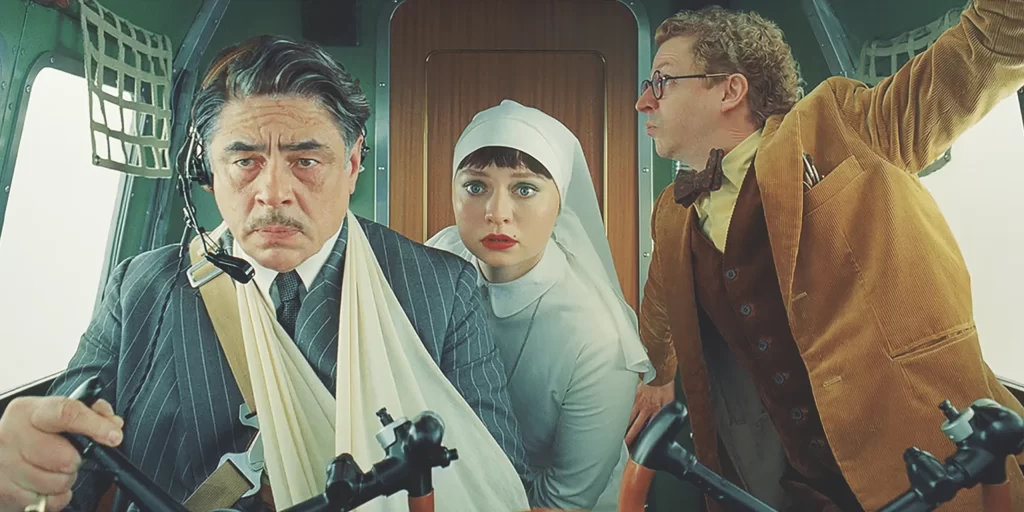
7. The Phoenician Scheme
Wes Anderson’s latest comes with the kind of overstuffed cast one has come to expect from him, but Benicio del Toro’s titanic performance holds the center. The globe-trotting adventures of industrialist Zsa-zsa Korda are never less than engaging, and the story, which Anderson cooked up with frequent collaborator Roman Coppola, doesn’t shortchange the estranged father-daughter dynamic at its core.
6. Reflection in a Dead Diamond
Bruno Forzani and Hélène Cattet’s long-awaited follow-up to Let the Corpses Tan (their tactile take on the Spaghetti Western) is this handsomely mounted Eurospy throwback that revels in the surface-level pleasures of the genre while probing its sadomasochistic underbelly. Their attention to detail when it comes to the costume, set, and sound designs is as on-point as ever, with the result being a film one can easily get lost in and not mind one bit.
5. Midericordia
Alain Guiraudie’s best since Stranger by the Lake, with which I fell in lust at first sight. This one takes a little longer to reveal what it’s on about, largely because its protagonist is rather inscrutable. As much as everyone in town wonders why Jérémie sticks around as long as he does after his former boss’s funeral, there are times when it seems he’s trying to figure that out himself. This also has the best reveal of a hard-on I’ve seen in years.
4. Universal Language
If The Twentieth Century was Matthew Rankin’s Guy Maddin film – all artificiality with arch characters and dialogue to match –this is his Abbas Kiarostami, and not just because it takes place in an alternate-universe Winnipeg where everyone speaks Persian. The pleasures of Universal Language include seeing the creative ways Rankin maps one culture onto another (get a load of what they serve at Tim Horton’s), and its demonstration that human nature is human nature no matter what language they speak.
3. Black Bag
Steven Soderbergh’s sleek spy thriller was the second part of a one-two punch with the first-person ghost story Presence, which came out a mere two months earlier. (He has since followed it up with The Christophers, which premiered at TIFF and is awaiting a distribution deal.) The dialogue is snappy, the characters intelligent, the performances impeccable. And it’s all wrapped up in 94 minutes. That’s how you respect your audience.
2. Marty Supreme
Josh Safdie goes solo – with a major assist from co-writer and co-editor Ronald Bronstein – and turns out one of the most exhilarating (and nerve-wracking) films this side of Uncut Gems and Good Time, its antecedents in the Safdie/Bronstein canon. Soundtracked with a propulsive score by Daniel Lopatin and an array of ’80s bangers, Marty Supreme takes as many big swings as its overconfident protagonist, who’s played by Timothée Chalamet with the laser focus of a true obsessive.
1. One Battle After Another
My top movie of the year is a lot of people’s top movie of the year, and with good reason. Paul Thomas Anderson’s latest is a zeitgeist-capturing salvo that speaks to our current, precarious moment in ways few of his contemporaries even tried to. It also moves like a mother. For a film that runs close to three hours, it sure doesn’t feel like it.
ZACH VASQUEZ’S TOP 10 NEW RELEASES OF 2025
(There are a number of big 2025 titles that I still need to see and catch up with—Marty Supreme, No Other Choice, Smurfs—so consider this a work in progress.)
10. Sorry Baby
I don’t have much to say about this film that others haven’t said better, but I do think it deserves more praise for its visuals. Eva Victor really knows how to shoot a house. Also, before all is said and done, we gotta get John Carrol Lynch an Oscar.
9. Resurrection
A surreal epic about movies and dreams (one in the same) that stands shoulder-to-shoulder with a number of my all-time favorites on the subject: 8 ½, Kurosawa’s Dreams, Inland Empire, Waking Life, Holy Motors. The vampire segment is probably the coolest film, in and of itself, of the year.
8. Eephus
Another small and strange masterwork in the new school of indies about nostalgia and cultural decay. Like its sister film, Christmas Eve in Miller’s Point (my number one from last year), it shows the way forward for American cinema.
7. 28 Years Later
A startlingly moving, gorgeously shot-and-scored epic that, like Boyles’s original film, takes the tired zombie genre into fascinating new directions; in this case, a dark fairy tale that’s more George Miller than George Romero. Bonkers ending!
6. Henry Johnson
I love Mamet, but when I heard he was making a movie —his first in over a decade —with Shia LaBeouf, I recoiled. Goddamnit though if this viscous morality tale isn’t amongst his very best. I take no pleasure in acknowledging that LeBeouf turns in one of the best performances of the year.
5. Black Bag
Went in expecting a fun genre exercise, only to be treated with the best spy thriller since Tinker, Tailor—a pulpy, kinky spin on John Le Carre that reimagines George Smiley as the LEAST cucked man in existence.
4. The Shrouds
A deeply personal, yet appropriately icy and unsentimental examination of grief. Late career Cronenberg continues to astound. If I had a beautiful dead wife, I’d do the Shrouds.
3. Eddington
Evil Lone Star meets Dr. Strangelove if Jim Thompson wrote it. It’s clear at this point that Ari Aster was never really a horror guy, but in fact our best new black comedy guy.
2. The Phoenician Scheme
Much as I love PTA, I actually think the best filmmaker of his generation is this Anderson. No one is working at his level or consistency. Benicio supremacy!
1. One Battle After Another
Yeah, yeah, one basic film bro after another with this at the top of their list, but it’s PTA and Pynchon, so I never stood a chance.
Also very much enjoyed Friendship, Caught Stealing, Sinners, Nouvelle Vague, She Rides Shotgun, Cloud, Train Dreams, Honey Don’t, and The Naked Gun.
JOSH BELL’S TOP 10 VODEPTHS VIEWINGS OF 2025
Watching 120-plus low-profile VOD and streaming releases annually gives me a different kind of perspective on the year in film, and while I enjoyed plenty of mainstream and arthouse fare in 2025, these 10 movies are just as worthy of your attention as any heavily hyped awards contenders.
10. Kung Fu Rookie
If action-movie producers are paying attention, they’ll immediately hire Kazakh martial artist Timur Baktybayev for a higher-profile gig. He proves himself a worthy heir to his idol Jackie Chan in this endearing if sometimes cheesy action comedy about a wide-eyed country boy taking down thugs and bullies after moving to the big city.
9. Hidden Face
It may be the sixth international iteration of an oft-remade premise, but this South Korean take on a 2011 Spanish-Colombian production adds some enjoyably lurid twists to the soap-opera premise, about an orchestra conductor having an affair with his missing cellist wife’s replacement. Director Kim Dae-woo’s queer spin on the story is devious, kinky fun.
8. Tiny Lights
Child star Mia Bankó gives a mesmerizing lead performance in this Czech drama about a six-year-old girl dealing with her parents’ impending divorce. Writer-director Beata Parkanová immerses the audience in the little girl’s perspective, showing how her understanding of the situation is both more extensive and more destabilizing than any of the adults around her realize.
7. Cannibal Mukbang
The kind of movie that could easily coast by on its ridiculous title, writer-director Aimee Kuge’s horror comedy instead offers a thoughtful take on toxic relationships and emotional baggage via the story of an online influencer who kills and eats people in her viral videos. The core romance is clearly doomed, but it’s remarkably sweet in its depravity.
6. Fear Below
The best shark movie of the year takes its time setting up its characters and premise, so that the audience cares when the shark attacks begin. In post-World War II Australia, the likable, hard-working employees of a scrappy diving company have to contend with mobsters, unreliable equipment, and, yes, a bull shark as they work to salvage cases of stolen gold bullion from the bottom of a river.
5. Suze
Michaela Watkins gets a welcome lead role in this winning dramedy about a middle-aged woman suddenly thrust into an entirely new phase in her life. Watkins’ Suze is adrift after sending her only child off to college, and she finds unexpected fulfillment in bonding with her daughter’s equally adrift himbo ex-boyfriend (Charlie Gillespie) as they both face uncertain futures.
4. Wormtown
The residents of a small Ohio town embrace the mind-controlling worms that have overtaken humanity in this quiet, strangely affecting sci-fi movie. It’s as much a character drama as a post-apocalyptic thriller, with Caitlin McWethy’s protagonist forced to make agonizing choices as she wages a seemingly futile battle against becoming one of the worm people.
3. The Silent Planet
Writer-director Jeffrey St. Jules delivers a tactile, minimalist sci-fi mood piece with this story about two prisoners sentenced to hard labor on a distant planet. Elias Koteas and Briana Middleton bring honesty and vulnerability to their performances as broken people who connect under the unlikeliest of circumstances.
2. Fragilé
A small town’s 50-foot replica of the leg lamp from A Christmas Story sounds like the subject of a quirky local-news segment, not a feature-length documentary, but director Reagan Elkins finds the Parks & Recreation-style absurdity in the impassioned battles over the kitschy tourist attraction in the struggling town of Chickasha, Oklahoma.
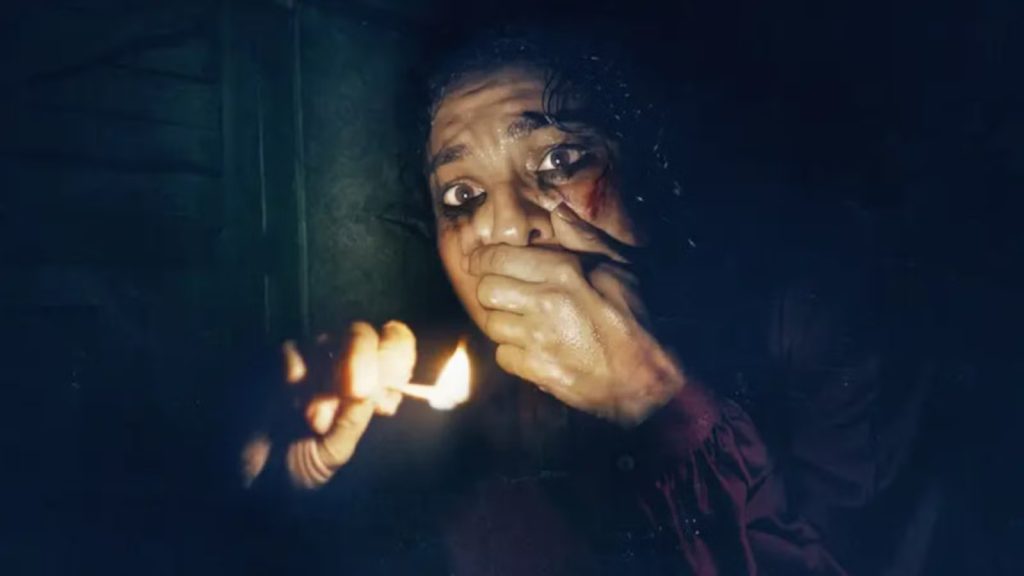
1. Match
Anyone who continues ignoring Tubi originals does so to their own detriment, and this bonkers horror movie is the best Tubi release of the year. It combines elements of Barbarian, The Texas Chain Saw Massacre, and Don’t Breathe in a nasty, funny, tense story about a woman whose online date goes spectacularly wrong.
JASON BAILEY’S TOP 10 FIRST-TIME WATCHES OF 2025
One of my favorite parts of this job is writing the biweekly disc and streaming guide, which gives me an excuse to not only revisit old favorites but catch up on classics that I’ve missed, for one reason or another. Most of these made their way to Blu-ray or 4K this year, and are worth picking up with your holiday gift cards – keep physical media alive, babies!
10. Thirty-Two Short Films About Glenn Gould
“I simply have a facility with a certain kind of minutia,” Glenn Gould (Colm Feore) explains. “I always have.” Director François Girard appears to share that facility, constructing this biographical portrait of the Canadian concert pianist less as a biopic in the Walk the Line (or, anymore, Walk Hard) mold than a free-floating meditation on art, music, and life. The title is as direct as they come; Girard eschews the customary cradle-to-grave approach in favor of a series of non-chronological snapshots in shifting tones, timeframes, and styles. Some are dramatizations, while others veer into musical performance, documentary, and animation. It sounds slipshod, but Thirty Two Short Films is unexpectedly entrancing and unconventionally perceptive.
9. Manon of the Spring / Jean de Florette
Director Claude Berri’s epic two-part adaptation of Marcel Pagnol’s 1963 novels L’Eau des collines deftly intermingles light and darkness, detailing how a farmer and his son attempt to manipulate the property of their neighbors to acquire it for themselves; Jean is the story of their scheme, and Manon picks up several years later, to dramatize their downfall. The expansive running time allows Berri to dig into the grist of the story (he somehow makes the logistics of farming fascinating, don’t ask me how), and to follow the tonal shifts and story twists into gut-punch territory towards the home stretch.
8. Diary of a Chambermaid
Jeanne Moreau stars in this 1964 drama/satire from director Luis Buñuel, as (yes) a chambermaid who works for the most vapid French bourgeoisie imaginable. That’d be enough for most filmmakers, but no one gets away clean in a Buñuel picture, so her fellow servants are pretty vile as well, and even our heroine is no innocent victim; in fact, he gets a good running bit out of the way that everyone she encounters falls for her, in spite of (because of?) her clear and unapologetic indifference. Few could even pull such a role off, and perhaps no one could do it as well as Moreau; watch her expression of utter boredom as the dithering grandfather fusses with her boots. A wickedly pitch-black comedy, full of freaks and bastards.
7. The Mother and the Whore
Jean Eustache’s 1973 interpersonal epic was, for decades, something of a cinematic holy grail — all but impossible to see, thanks to the firm grip of the filmmaker’s estate on the rights to his work, its legend only amplified by its seeming esotericism (a nearly four-hour French, black-and-white relationship drama). Yet this first-time viewer found it surprisingly accessible, a snapshot of twentysomething listlessness that has only aged in its most minute specifics (and those, like the portraiture of Bohemian Parisian life, only add spice). Eustache’s thorny script addresses the stubbornness of love, heteronormative double-standards, and sexual jealousy with refreshing frankness, drilling down on the genuinely complex and sometimes contradictory dynamics of the participants of its love triangle, understanding, perhaps more than any film that comes to mind, the impulse to stay, knowingly, in a bad thing that feels good. The expansive running time is ultimately its best feature; we sit with these people so long that it really does feel as though we know them, in all of their pleasure and misery.
6. Internal Affairs
1990’s Pretty Woman may have been the hit that made Richard Gere a movie star again, but this hard-hitting cop thriller from earlier that year was the one that made everyone reassess what he could really do. He’s an unrepentant villain here, an L.A. street cop as dirty as the day is long who doesn’t care for the questioning of I.A. officer Andy Garcia, and makes his distaste pointedly personal. The sticky screenplay by Harry Bean (The Believer) resists the urge to make Garcia the “good guy,” though; there’s not as much real estate between them as you’d think, and that moral fuzziness, coupled with the occasional formal innovations of director Mike Figgis (Leaving Las Vegas), turns it into something quite special. It gets a little too conventional in the home stretch, but even then, this is a crackerjack crime movie and a tightly wound psychological study.
5. Christiane F.
Long all-but-impossible to see legally, at least on these shores, this 1981 drug drama from director Uli Edel finally got a proper restoration and re-release this year, and it’s a jaw-dropper, detailing in often uncomfortable detail the slow descent and seemingly impossible rehabilitation of the title character, a German good-time girl who we first meet at the tender age of 13. Its influences are ubiquitous – the dark portraiture of drug addiction presages Requiem for a Dream, while the picture’s gonzo energy was clearly key to Trainspotting – but it has an unforgiving bleakness and vérité craft all its own.
4. Get Carter
Michael Caine was already a star, thanks to Alfie five years earlier, when writer/director Mike Hodges cast him in this ferocious adaptation of Ted Lewis’s novel Jack Returns Home. But this may be his most indelible performance of that early era, the one that most evenly mixes both his purring charisma and steely-eyed malice. He stars as a London gangster going “up North,” initially, we’re only told, “to find out what happened.” But he’s investigating the death of his brother, and Jack Carter is not the kind of guy you want to get all bent out of shape about family affairs, and it turns out that the original, anodyne explanations from the thugs up there don’t wash with Carter. Hodges’ elliptical approach and tough-as-nails style recall John Boorman’s Point Blank a few years earlier (and Soderbergh’s The Limey many years after), and Warner Archives’ new 4K UHD edition brings out the pulpy texture of the image and (especially) the sharpness of Roy Budd’s ripper of a score.
3. Domestic Violence
A Lincoln Center retrospective of his work early this year sent me down the rabbit hole of Frederick Wiseman’s unparalleled filmography, and I found his patient observation of institutions working as they should to be unlikely but undeniable comfort food. The best of the new watches, for me, was this 2001 snapshot of the comings and goings at The Spring, a Florida shelter for victims of domestic violence. That’s not exactly uplifting subject matter, but Wiseman’s camera is so perceptive, so simultaneously passive and participatory, that over the pictures three-plus hours, we come to know these women (both staff and guests), to understand their struggles, and (in many cases) to celebrate their victories.
2. High and Low
A hot title this year, thanks to Spike Lee’s Denzel Washington-fronted remake, and a blind spot I was thrilled to finally fill. Toshirō Mifune stars as Kingo Gondo, a show executive who’s making a play for a takeover of his company when, in a bit of inconvenient timing, his son is kidnapped. But it turns out the kidnapper made a mistake, grabbing the son of his chauffeur, prompting a real moral dilemma for our hero. Kurosawa spends a bit more time on the cultural questions and quandaries of the central premise, and then almost leaves his protagonist entirely to follow the police on their investigation. Those sections are stimulating, the kind of forensic analysis and investigation that now motors countless TV cop shows, but Kurosawa wisely brings the emotions and themes back around with a powerful final scene of tough, hard truths.
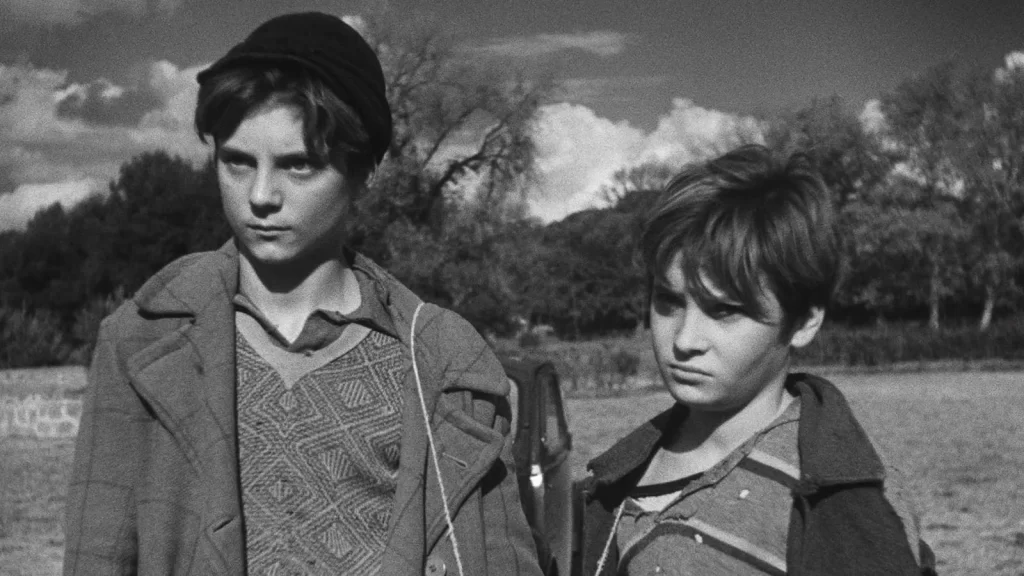
1. Shoeshine
Vittorio De Sica won the very first Academy Award for Best Foreign Film for this 1946 classic, which entered the Criterion Collection in August in a glorious 4K UHD edition. It begins (much like his Bicycle Thieves two years later) as a story of grinders and dreamers, focusing on two shoeshine kids who are saving every penny to buy a horse. But when they get drawn into a fencing scheme, they’re sent to a cruel juvenile detention facility, and that’s where De Sica really pulls you in, so deep is our investment in these boys and their troubles. It’s heartbreaking, how this place (and the people within it) splinter a seemingly unbreakable bond. Shoeshine is that rare beast, a successful combination of poignant, human story and scorching indictment of the system, and it’s lost none of its considerable power in the nearly 80 years since its making.
Also recommended: The Candidate, Howards End, Deep Crimson, Summer Stock, The Boxer from Shantung, Midnight, La Vie en Rose, The Adventurers, Prince of Broadway, Duel for Gold, Hollywood 90028, Master and Commander: The Far Side of the World, Titticut Follies, Blind, Law and Order, Once Were Warriors.
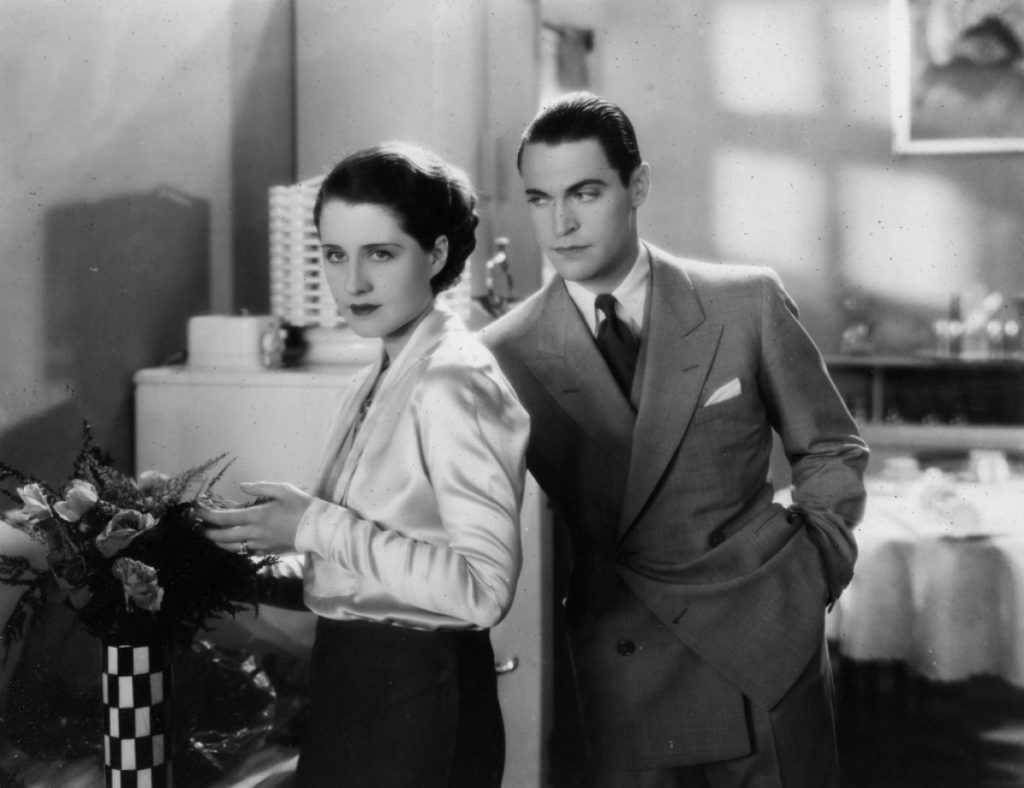
AUDREY FOX’S TOP 10 FIRST-TIME WATCHES OF 2025
The Divorcee (1930)
I was blown away by Norma Shearer’s charismatic performance in this pre-Code comedy about sex, marriage, and when the two (gasp) don’t always go hand in hand. It’s a classic for a reason, and for those of us out there without an attention span, it clocks in at just 84 minutes.
The Ritz (1976)
A schlubby Midwestern guy on the run from his mobster brother-in-law ends up hiding out in a seedy New York City bathhouse? Say no more. This quirky 1976 comedy sees Rita Moreno, Treat Williams, and F. Murray Abraham at their campy best, while Jerry Stiller gets in on the fun as its unlikely villain.
Dodsworth (1936)
Walter Huston (father of John and grandfather of Anjelica, in case you were wondering) was never better than in Dodsworth, where he plays a recently retired businessman excited to see the world with his wife – only to discover that they’re actually incredibly ill-suited for one another. A mature, thoughtful look at marriage and what it means to love someone, this is a must-watch.
Servants’ Entrance (1934)
It’s simply impossible to watch Servants’ Entrance and not be taken in by Janet Gaynor’s infectious energy. Here, she plays a rich girl who decides to prove herself by running away from home to become a housemaid. Although she faces challenges at first, she begins to find fulfillment in the work – and the presence of a handsome chauffeur played by Lew Ayres certainly doesn’t hurt. Servants’ Entrance also features a delightful animated sequence by Walt Disney, which plays out as a malevolent version of “Be Our Guest.”
Gunman’s Walk (1958)
It’s not every day you see Tab Hunter in a Western, but that’s exactly what you get in Gunman’s Walk, where he plays a sociopathic rancher perpetually butting heads with his hypermasculine dad and his sensitive younger brother. (When he’s not out there accidentally on purpose killing Native Americans, that is.) It’s an unexpected turn from Hunter and an extremely underrated Western.
I Love You Again (1940)
I saw this poolside as the sun was setting at the Hollywood Roosevelt Hotel during TCM Fest (a lot of my picks here come from that festival, by the way, so if you’re interested in classic Hollywood, I highly recommend), and the vibes were immaculate. William Powell starsin a role that perhaps only he could play, a fuddy duddy who gets a blow to the head that makes him realize he’s had amnesia for several years, and is actually a smooth-talking con man. Now, he’s tasked with making his wife fall in love with him all over again.
The Talk of the Town (1942)
This one stars Jean Arthur, Cary Grant, and Ronald Colman, so you know it’s going to be good. Arthur plays Shelley, a teacher renting her cottage out to a keen legal mind (Colman) while also secretly sheltering a union leader accused of murder (Grant). And against all odds, friendship and even a love triangle develops between the three. The Talk of the Town may be almost 90 years old, but in a lot of ways it feels very timely.
Vivacious Lady (1938)
With Vivacious Lady, viewers get the opportunity to see James Stewart at his absolute horniest opposite Ginger Rogers, who he was dating at the time. He stars as a prim botany professor who marries Rogers’ nightclub singer while visiting his troublemaking cousin in Manhattan, only to struggle to break the news to his equally conservative family. Predictably, hijinks ensue.
The Mortal Storm (1940)
Speaking of Jimmy Stewart, audiences can here see him as a skiing mountaineer who watches his beloved Germany descend into Nazism. This 1940 classic captures the unsettling atmosphere of Germany on the brink of disaster, and shows how quickly a country can shift gears and embrace cruelty and violence.
Strange Darling (2023)
You never know quite what to expect in this cat and mouse horror thriller that pits Kyle Gallner and Willa Fitzgerald against one another. And thanks to its fractured narrative style, the floor keeps dropping out from under the audience, keeping them constantly on their toes.