Kayleigh Donaldson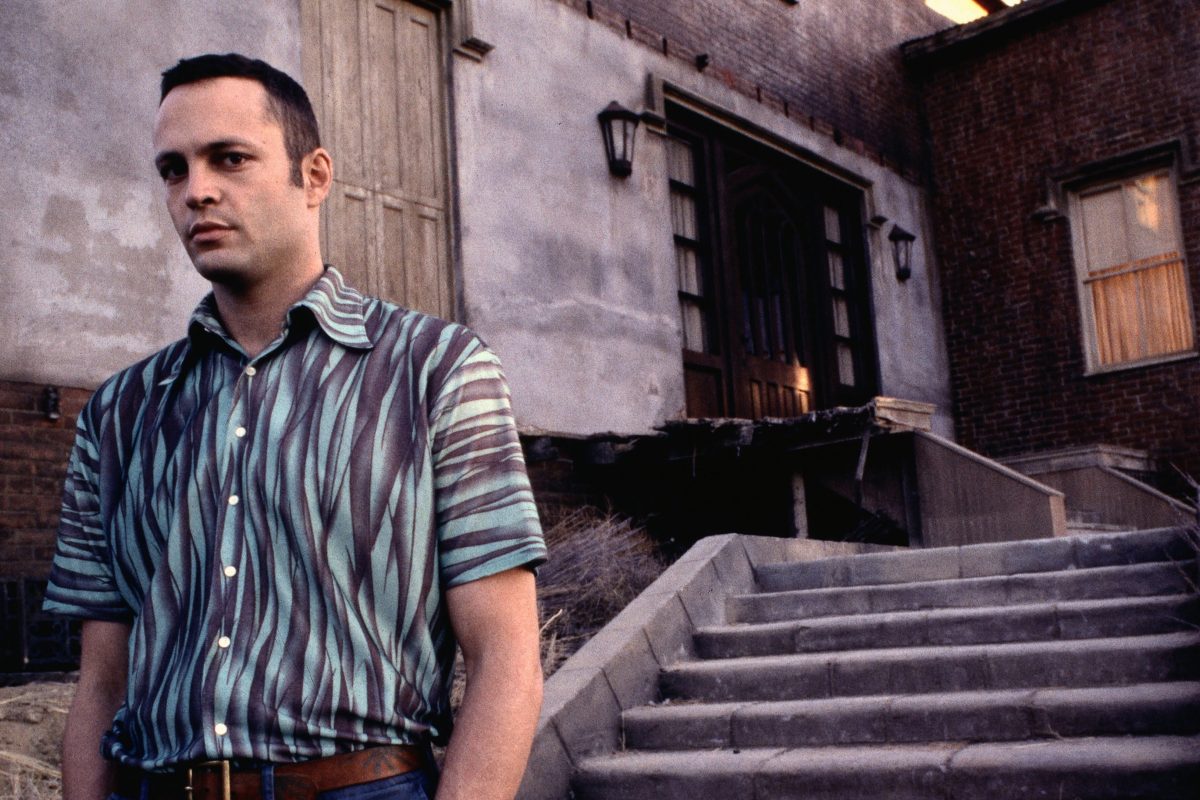
Many filmmakers are fortunate to work by the ethos of ‘one for them, one for me.’ They make the marketable crowd-pleaser to boost their box office numbers, then move onto a more personal and creatively fulfilling project that’s unlikely to delight studio heads. Gus Van Sant’s filmography is one of the most varied in terms of this philosophy; for every Oscar darling like Milk or Good Will Hunting, there’s a scrappy and uncommercial work like My Own Private Idaho or Gerry. But even some of his more conventional works are tough to categorize, like the scathing satire To Die For or the truly heinous Sea of Trees. So, perhaps it was inevitable that, when given the rare opportunity to remake a bona fide cinematic masterpiece for a wide audience, Van Sant decided to double down on his no-f*cks-given weirdness.
The idea of remaking Psycho was always sacrilegious. The idea of redoing one of the greatest horror films of all-time raised many eyebrows in the mid-’90s when the project was announced, but at least Van Sant’s involvement suggested something fresh and modern. Instead, Van Sant ran in the opposite direction, choosing a remake in the most faithful sense of the term. Infamously, his Psycho is almost shot-for-shot identical to the Alfred Hitchcock original, albeit with some curious twists now and then. Critics lambasted the film as needless and insulting, but within Van Sant’s madness lay a fascinating method.
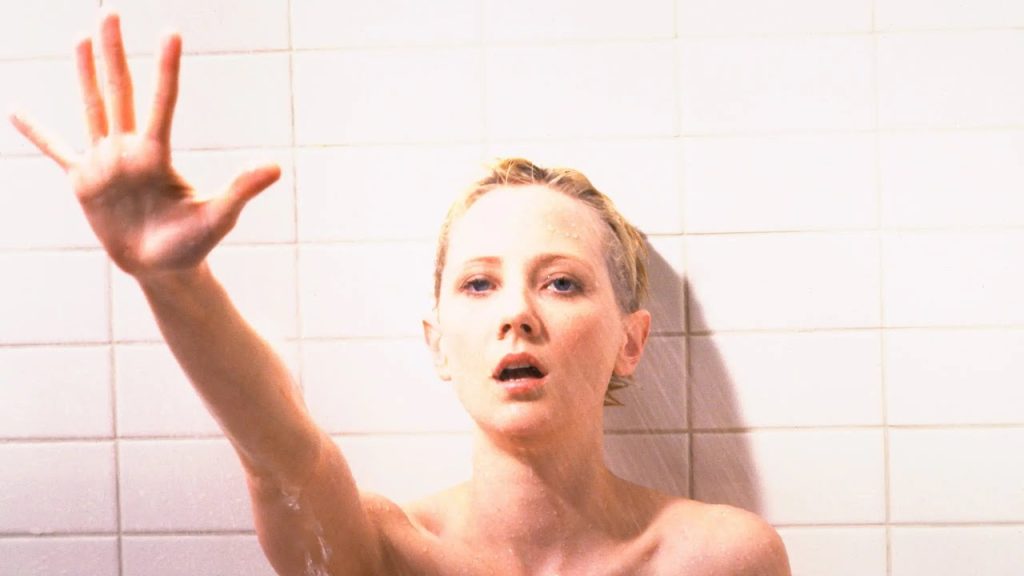
Van Sant’s Psycho is not identical to Hitchcock’s. It’s in color, for one, but even its replication of iconic shots are tinged with an impish edge that changes the tone and intent. The opening, for instance, where the camera zooms in on the hotel where Marion Crane (Anne Heche) and Sam (Viggo Mortensen) have their lovers’ liaison, is technically the same shot. But Van Sant adds screams of anger and orgasm emanating from the rooms next door, making the subtext of their seedy tryst into text. Marion is also a cheekier creation, less cowed by lust and desperation than Janet Leigh’s version. It’s more fun to be sorta extramarital in the ‘90s than the ‘60s, after all.
Making the sinister undertones of the ’60s original, which was still shocking in its time, into the obvious in the ‘90s one was criticized by many as a false move on Van Sant’s part. Wasn’t the subtlety part of the point? Sure, but what Van Sant offers is the flipside of Hitchcock’s narrative. How does Marion act if she’s less bound by societal constraints but still stubborn and misguided? What kind of guy is Sam if he asks his girlfriend to behave like a mistress in the era of casual hookups? And what of Norman Bates, the mama’s boy isolated by mental illness and misogyny, who becomes the knife-wielding maniac in a dress? How does a gay director grapple with all that history?
Vince Vaughn’s Norman Bates is no innocent who reveals his sinister side when it’s too late for Marion to leave. He’s an awkward creep from the beginning, which many critics thought was too on the nose (ditto the choice to have Norman audibly masturbating as he peeps at Marion through the hole in the wall). But it’s just another example, like Heche and Julianne Moore (who plays Marion’s sister like a furious lesbian with a chip on her shoulder and a Walkman addiction) of the cast choosing to reinterpret the material. The same script can offer radically different results in different hands, which is the entire ethos of this Psycho remake.
This is a remake with the excesses of the ‘90s on full display. There’s more blood in the famous shower scene. Sex is not kept to the margins but shoved in the viewers’ faces. Every character is steeped in sleaze. Also added by Van Sant to the murder sequences were surreal images that play like mini BDSM art films. Are these subliminal messages, or what the victims see before they die? Perhaps it’s another way that Van Sant can demonstrate how his remake is less about a redo than a remix.
In the context of current-day Hollywood, where legacy sequels and live-action remakes of animated classics are practically mandated to be as faithful to the source material as possible, the Psycho remake doesn’t feel all that unusual. Yet it remains radical in intent because it’s chock full of twists and quirks that differentiate it from Hitchcock’s original and offer a new perspective. Compare that to the latest Disney remake, where the copy-pasting is so lifeless—but the redundancy is the entire point for brand extension purposes.
You could argue that Van Sant’s Psycho works best as an art installation or film school experiment, but there’s still much to appreciate independent of its status as a cinematic curiosity. Artistically, it’s an oddity, but from a business perspective, it might be genius. There’s a reason nobody dares to remake other Alfred Hitchcock movies now, and it’s Gus Van Sant we should thank for it. Surely, that’s reason enough to celebrate his Psycho?
Gus Van Sant’s “Psycho” is streaming on the Criterion Channel.