Ciara Moloney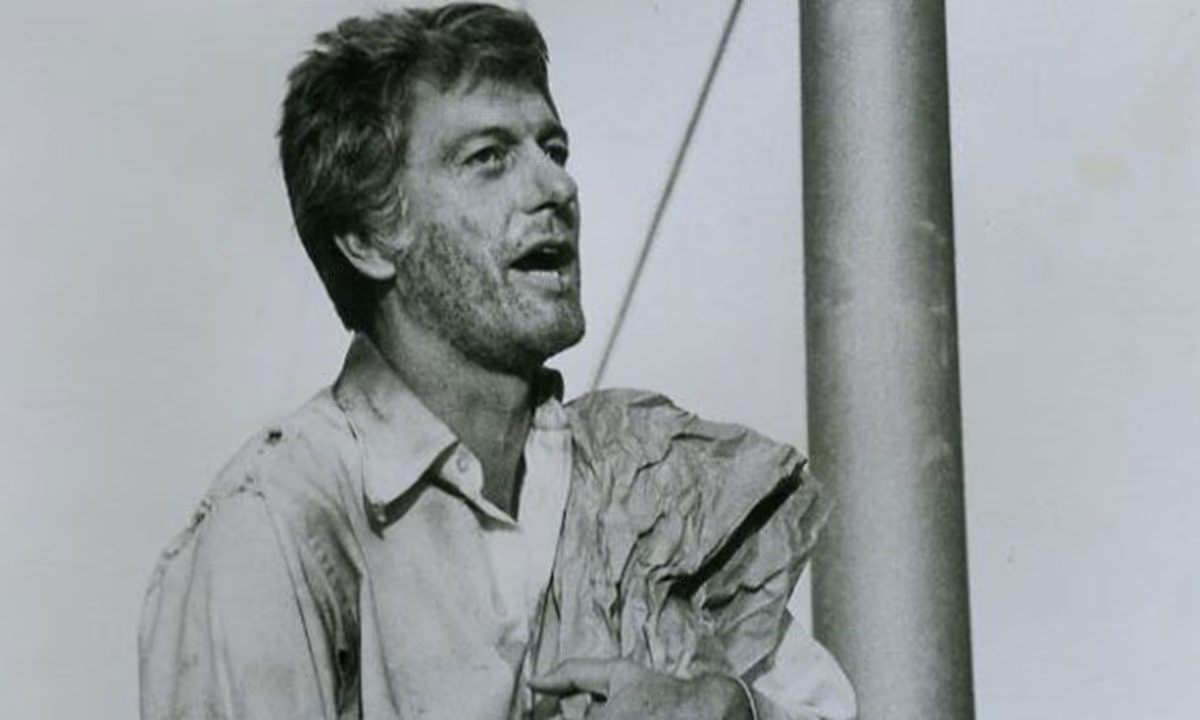
Dick Van Dyke was sent Richard Matheson’s script for The Morning After because the producers “wanted an average-looking man” for the lead role, “to show that alcoholism can be a problem for average people.”
“The first thing I said to them,” Van Dyke recalled, “was ‘How did you know I was an alcoholic?’”
As Dick Van Dyke celebrates his one hundredth birthday, he seems like the kind of all-around entertainer that you half assume grew up on the vaudeville circuit: an extraordinary slapstick artist and a song-and-dance man to boot, and one whose innate affability made him television’s natural everyman – the kind of guy you’d tune in to hang out with each week. Lesser seen are his gifts as a dramatic actor. The shock of his performance in the 1974 TV movie The Morning After remains undiluted because he’s largely maintained the persona that it deconstructs.
Van Dyke had been in recovery for about a year when he signed on to do The Morning After. He plays Charlie Lester, who is celebrating a big success (and accompanying fat raise) at his job as a speechwriter. If you’re watching blind, it would be easy to think his wife Fran (Lynn Carlin) is an overreacting nag: he’s gotten a raise, and besides, it’s almost Christmas, yet she frets at him drinking a bottle of wine. Charlie quite reasonably tells her that the French drink it with their meals. His speech doesn’t slur; he’s exasperated only in a gentle, loving way. But as things gradually unravel, you realise that we haven’t come in at the beginning of this story. All of this has happened, exactly like this, over and over, like one of Matheson’s Twilight Zone scripts.
Charlie is a highly functional alcoholic, a star employee, an adoring husband, and a dedicated father – until he’s not. He’s as kind and sweet and silly as Rob Petrie from The Dick Van Dyke Show, until he’s spilling drinks, yelling, breaking things. He sings “Yesterday” to himself, and each time, simple nostalgia gives further and further way to something dark. By the final reprise, it’s not a love song, not even a sad one: it’s a song about vivid, contradictory longings, to be free from alcohol and to have it to, that both represent a desire to retreat from the pain of living in the present. “Yesterday / All my troubles seemed so far away.” Dick Van Dyke is, for the first time, frightening. In part because of his skinniness, his tallness usually plays in the manner of a lanky goofball, but at Charlie’s drunkest, it’s closer to slasher villain. When he chases or shoves Fran, danger is palpable.
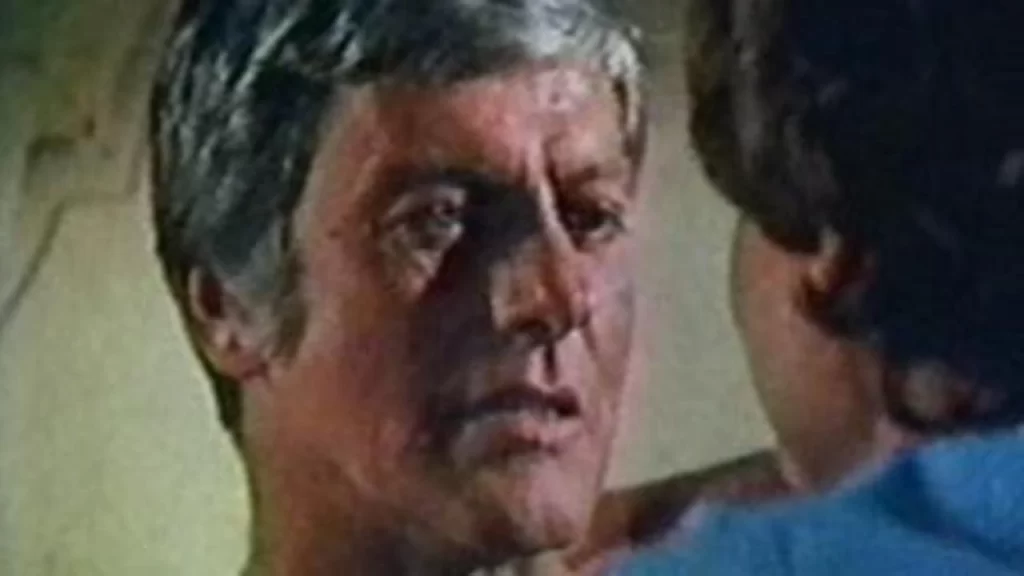
In The Morning After’s spiral-shaped narrative, Charlie hits “rock bottom” again and again. When his boss excoriates him for coming to an important meeting smelling like a brewery (the boss assumes he’s hungover, but we know he’s still drunk). The first time he hits Fran, and the first time she tries to leave. The next time, when he smacks her onto the concrete floor and she plans to file assault charges. When he throws up so hard he bursts a blood vessel in his throat. When he reads an “are you an alcoholic” checklist in a pamphlet and says yes to every question while downing glasses of vodka. When the teenagers who find him passed out on the beach think he’s a corpse. When he has a bout of the DTs and winds up hospitalized in a psych ward. Every time, it feels like the moment things will turn around. Sometimes he promises it will be, desperate and pleading. But every rock bottom is a false bottom.
In this way, The Morning After critiques many of the clichés of the recovery drama, and especially its made-for-TV variant. It’s full of scenes that, in isolation, seem like the kind of dollar-store insight associated with hackneyed TV movies about the social-issue-of-the-week. The first time Fran threatens to leave, Charlie promises to see a therapist – and he actually follows through. In one of the sessions, Charlie talks about how after his alcoholic father died when he was twelve, his mother expected him to take on all that responsibility without giving him her love in return – that she saved for his perfect baby brother. His drinking, he figures, resulted from an inability to deal with his deep feelings of inadequacy in the face of his mother’s neglect.
Van Dyke delivers the speech well, but it feels too pat, somehow didactic even as it presents familiar stereotypes. Did you know that alcoholics have alcoholic dads and withholding mothers? Cut to: Charlie explaining to Fran that he’s been discharged, and his therapist agrees that he should be able to drink normally now. The scene of his “breakthrough” is instantly recontextualised: even if the content of what he said was true, it was a rote recitation of traumas he’s already worked through, delivered to manipulate the therapist. It doesn’t work – it’s obvious he discharged himself – but maybe it’ll work on Fran. As Charlie, Van Dyke’s affable dad persona is skin-deep: the carefully curated exterior of a manipulative addict.