Max Borg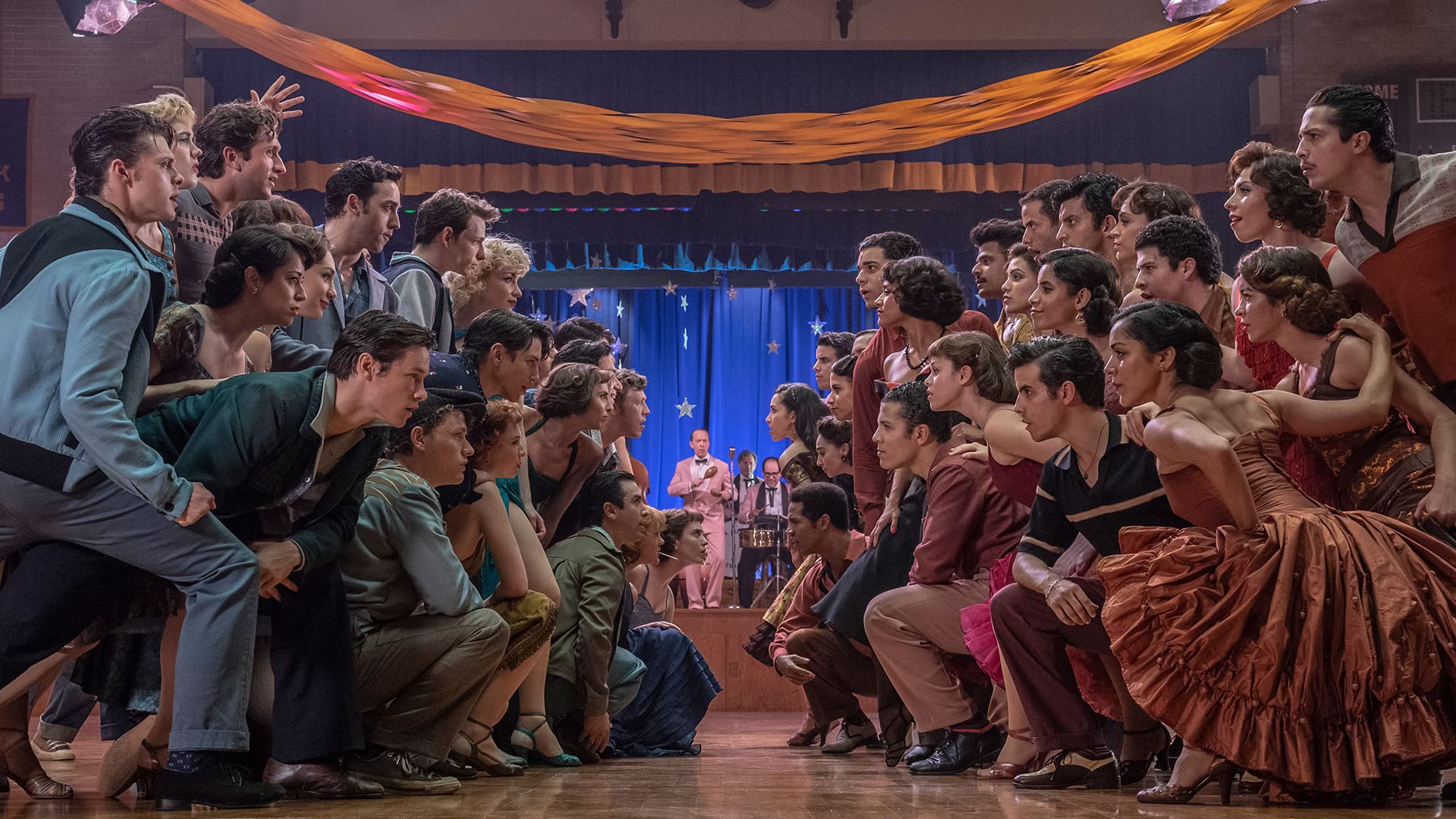
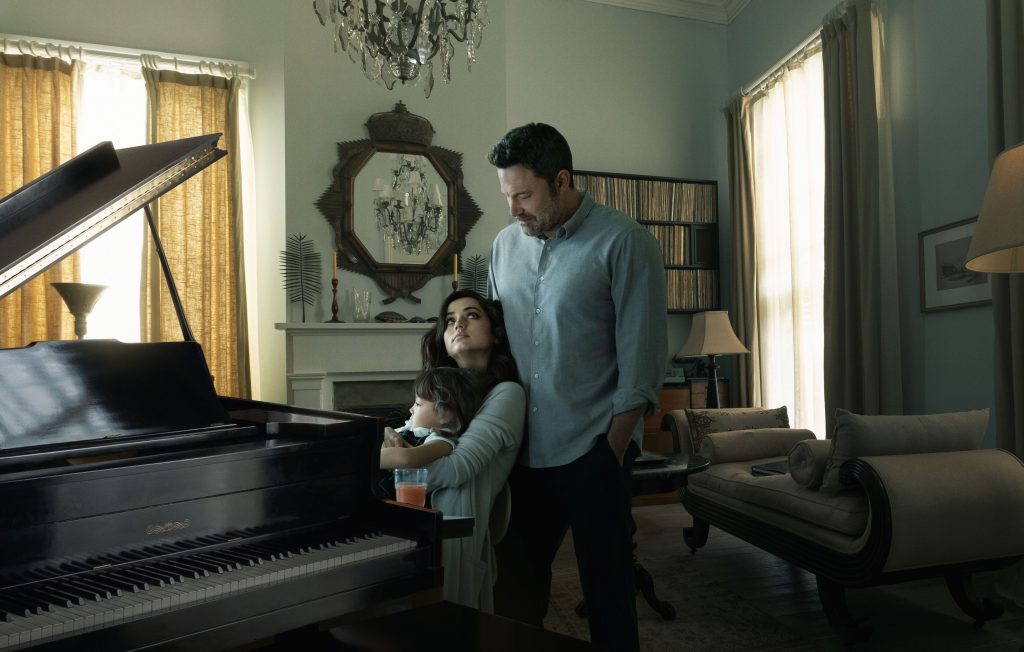
On March 18, Deep Water will hit Hulu in the US and Amazon Prime Video internationally. Based on Patricia Highsmith’s novel of the same name and starring Ben Affleck and Ana De Armas, it’s an erotic thriller in the tradition of director Adrian Lyne’s earlier hits 9½ Weeks and Fatal Attraction. Originally planned as a theatrical release, Deep Water is now going the direct-to-streaming route. Some have speculated it’s because the two stars, who began dating after the shoot, have since split up and might not want to do red carpets and talk show appearances together. Others believe it’s yet another sign of Disney’s mishandling of all things Fox.
The latter school of thought dates back to March 2019, when Disney completed its acquisition of Fox’s film and TV assets, including 20th Century Fox (now 20th Century Studios) and Fox Searchlight (now Searchlight Pictures). Many were skeptical as to the Mouse’s willingness to keep two adult-oriented brands alive, even though that was precisely part of the reasons the acquisition happened in the first place: having parted ways with the Weinstein brothers in 2005 and ended its distribution deal with DreamWorks in 2016, Disney was actively looking for a new way of putting out smaller, awards-friendly fare. Fox, and Searchlight in particular, fit the bill.
Case in point: last year’s Best Picture winner, Nomadland, was a Searchlight title, as is one of this year’s nominees, Nightmare Alley, with 20th Century Studios’ West Side Story also in the running. Both films have also been described as works that Disney “buried” by deliberately releasing them in unfavorable conditions, similar to Ridley Scott’s The Last Duel and, to a lesser extent, Wes Anderson’s The French Dispatch.
Supposedly, this shows a lack of faith in anything more adult-oriented, with the botched releases serving as an excuse to shift most of the 20th Century Studios and Searchlight output towards the company’s streaming services. And while there is definitely an imbalance at play, per official announcements regarding future titles, that imbalance concerns most of Disney’s brands, due to current CEO Bob Chapek’s focus on streaming. Even Pixar, once the company’s crown jewel of theatrical animation, is no match for Chapek’s business-centric attitude.
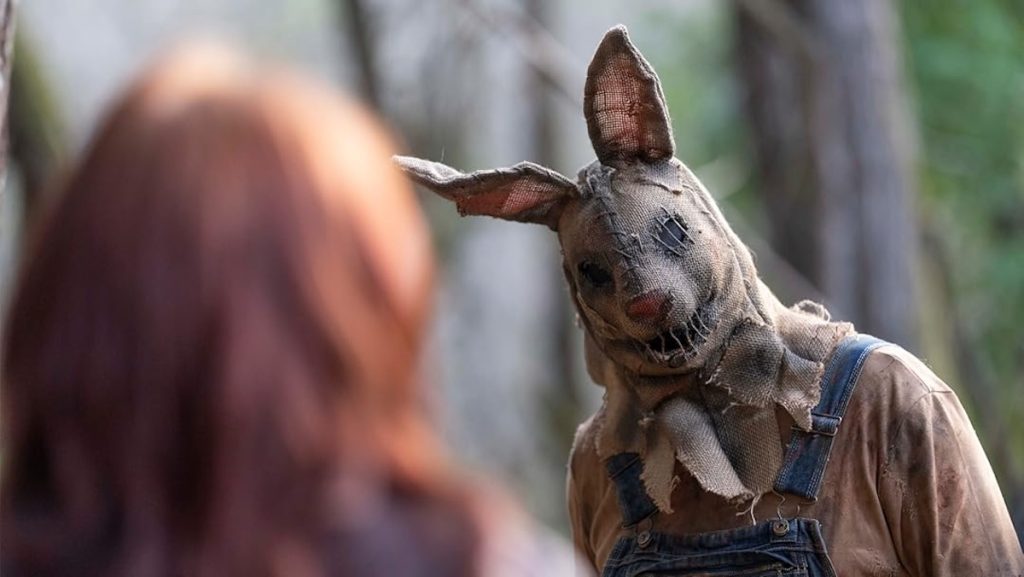
Going back to the Fox situation, there is a contractual quirk at play: all films that were actively in production prior to the completion of the merger have to be released in theaters first (they would also go to HBO Max for their first streaming window, due to a pre-existing deal that will expire this year). However, that does not necessarily mean Disney views them as expendable. In fact, virtually all of them were postponed in the wake of the first lockdown, hoping for better opportunities. The one that wasn’t, X-Men spin-off The New Mutants, was unceremoniously dumped in cinemas in August 2020, when American viewers were largely not going to the movies, while international ones were flocking to see Tenet.
Then, in early 2021, the company cut its losses with The Woman in the Window, selling it outright to Netflix. If that is an indication of what happens to movies Disney has no faith in, it’s fair to assume they did actually believe in the likes of The French Dispatch and The Last Duel, going as far as premiering them in Cannes and Venice, respectively. That’s not a choice you make if you want to bury a movie, since a world premiere at a major European festival is a costly affair: in 2013, Venice lost out on 12 Years a Slave because Harvey Weinstein, who owned the US rights, insisted that the (much smaller) Italian distributor pay for everyone’s travel and lodging.
Ultimately, Scott’s movie suffered from having a touchy subject (rape and toxic masculinity) in an age of moviegoing where marquee names no longer make a real difference (had the film come out ten years ago, with a similarly starry cast, it would likely have done better). Nightmare Alley is too adult-skewing in the current climate, harkening back to classic noir to the extent of receiving an additional theatrical release in black and white.
West Side Story, which stood the best chance thanks to its PG-13 rating and the pedigree of the source material and director Steven Spielberg, was ultimately done in by a marketing campaign that profoundly misunderstood how to sell the movie: the trailers barely hint at the film’s heartfelt dynamism, effectively conveying the image of a straightforward drama based on a popular stage play – in other words, the kind of material a younger demographic, the one still going to the cinema on a regular basis during the pandemic, will not watch on the big screen.
Conversely, Death on the Nile is doing reasonably well, cementing Hercule Poirot’s status as a new franchise for the studio (a third film is already in development), and confirming the general trend in contemporary moviegoing. So, despite Bob Chapek’s best efforts, the Mouse is not actively trying to kill the Fox. It just picked the worst possible time to start courting a different demographic again.