Rob Hunter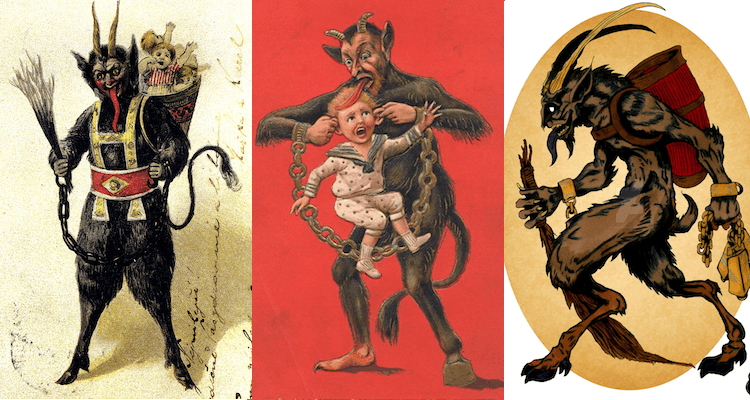
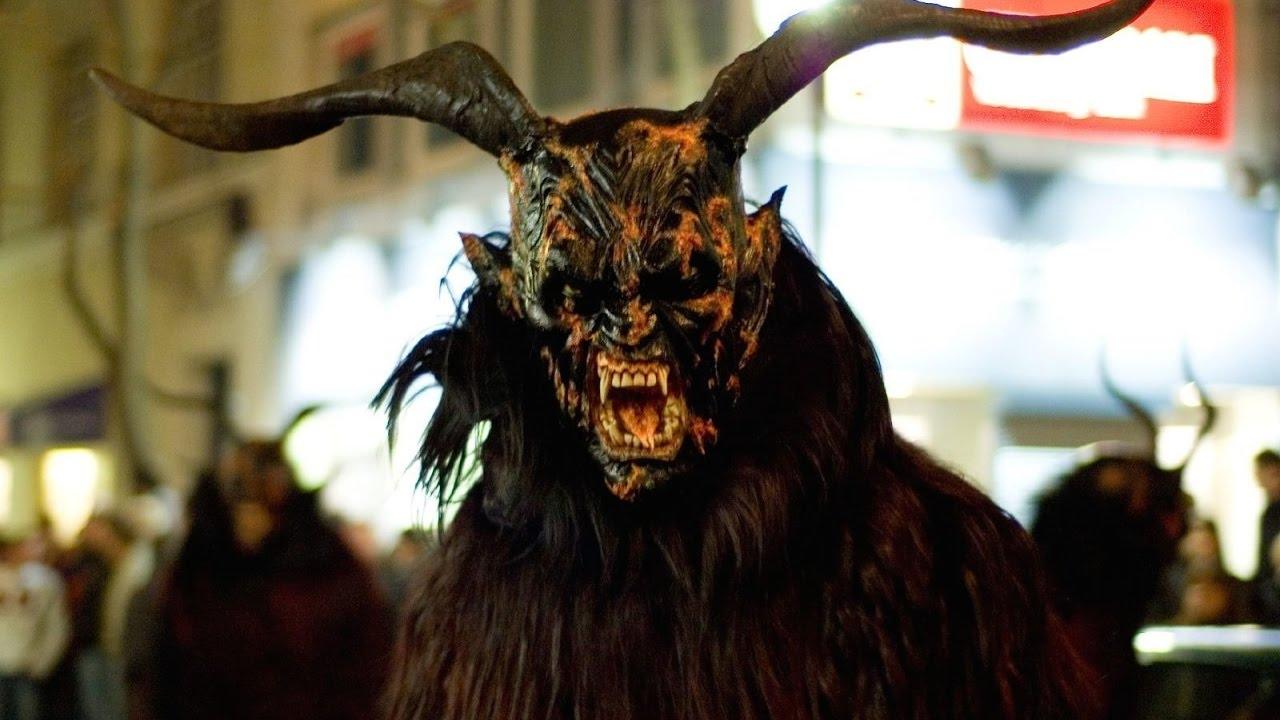
Everyone knows that Santa Claus sees who’s been naughty and who’s been nice, and while that’s creepy enough, there’s some comfort knowing that it ends there. The good get presents, and the bad get nothing. (Sorry America, coal isn’t coming back.) Other countries, though, particularly European ones, long ago added a wrinkle to the legends in the form of Krampus. Described as a large, horned, fanged, and hairy figure, Krampus is the anti-Santa who punishes naughty kids with beatings, abduction, and worse. The legends are centuries old, and even today communities in Austria, Germany, and elsewhere hold annual parades featuring people dressed as Krampus who stroll the streets playfully terrorizing their fellow citizens.
As mythological characters from folklore go, Krampus seems tailor-made for genre movies. He’s visually impressive, a threat to kids, and a ready-made creation for holiday horror — so why did he only just start hitting movie screens in the past few years? And more importantly for those of us seeking deadly thrills in our Christmas entertainment, why is it that of the eight Krampus films produced since 2010 only three are worth a damn?
The answer to the first question is anyone’s guess, but odds are it’s related to one of two things. First, for all its love of taboo-breaking, the United States has long held to the purity and importance of Christmas “for the children.” Holiday horror films are fairly common, but as recently as the mid ’80s adults flew into an outrage over one featuring a murderous Santa at its center. Parents condemned Silent Night, Deadly Night (1984) and sought to ban it, so it’s no surprise that movies featuring Santa’s evil twin — some legends posit the two as brothers — wouldn’t find any traction. Second, and more likely as an answer, it probably wouldn’t have been until the rise of the internet (and videos of freaky Krampus parades) that the creature began to enter Hollywood’s consciousness. We weren’t making movies about him because we didn’t know who he was.
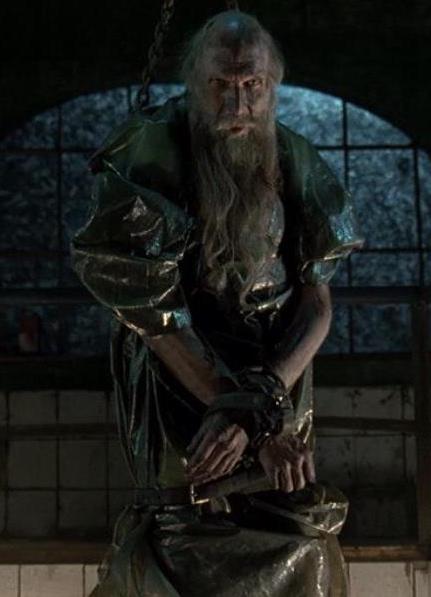 The Krampus was out of the bag in 2010, though, with the release and eventual cult following of Rare Exports: A Christmas Tale. This Finnish film never even mentions the K-word and instead posits the discovery of a giant horned creature frozen in ice that turns out to be a legendary monster lured to its icy prison centuries prior by a fearful human populace. That creature is Santa, and his naked, child-napping elves are now working to thaw him out for a new reign of holiday horror. Too bad they didn’t count on an adorably precocious little Finnish kid gumming up their plan! So yeah, it’s an Amblin movie with old man dong, and it’s both the first and best of the Krampus bunch.
 It took another three years, but domestic filmmakers finally got the memo, resulting in the 2013 release of Krampus: The Christmas Devil. Director/writer/producer/cinematographer/editor Jason Hull foregoes the more visually fantastic elements of the legend and delivers a story about a small town with a disappearing-kid problem. The cop working the case is convinced a robed and fanged creature is responsible because he escaped the Krampus as a child himself. Even with that as the supposedly main plot thread, though, it’s clear Hull just wanted to make an action flick. Bill Oberst Jr. pops up as an ex-con looking for revenge on the cop; we get the world’s most poorly choreographed bar fight; and then occasionally we return to Krampus chilling in a filthy robe, knocking people out with his swinging chain, and seducing topless women. Santa’s here, too, as Krampus’ equally homeless-looking brother giving his blessing towards the abductions and murder — but only up until Christmas Day!
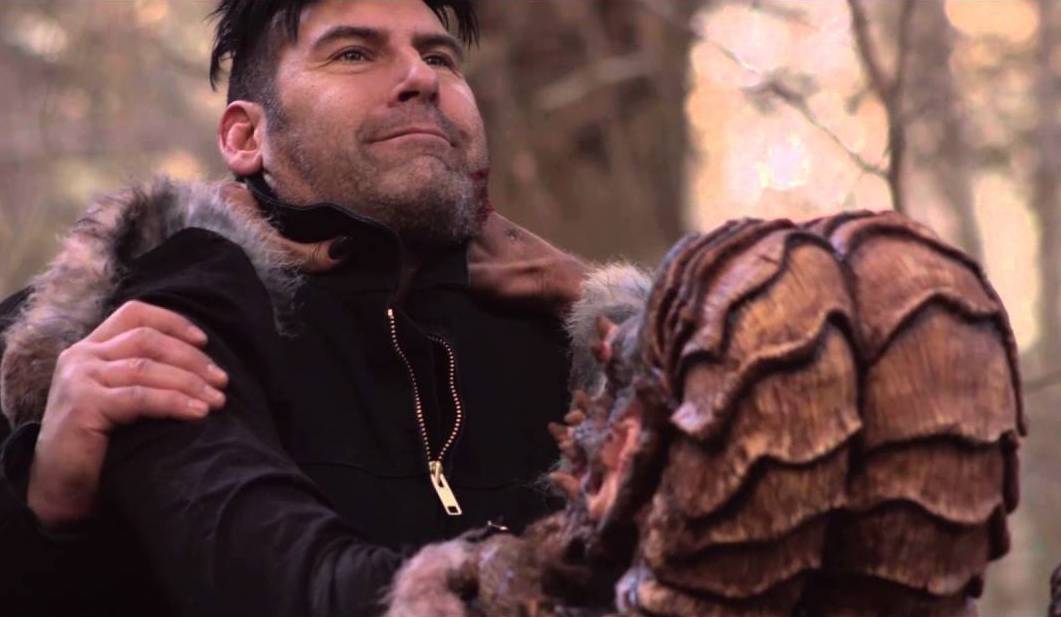 Hull followed it up with a sequel, Krampus: The Devil Returns (2016), but while it ups the ante with a couple onscreen kiddie deaths, it’s once again little more than an excuse to hang out with heavily armed friends. Shootouts between cops and gang members take precedence over the actual antics of Krampus, leaving viewers with human “drama” periodically interrupted by the hobo siblings.
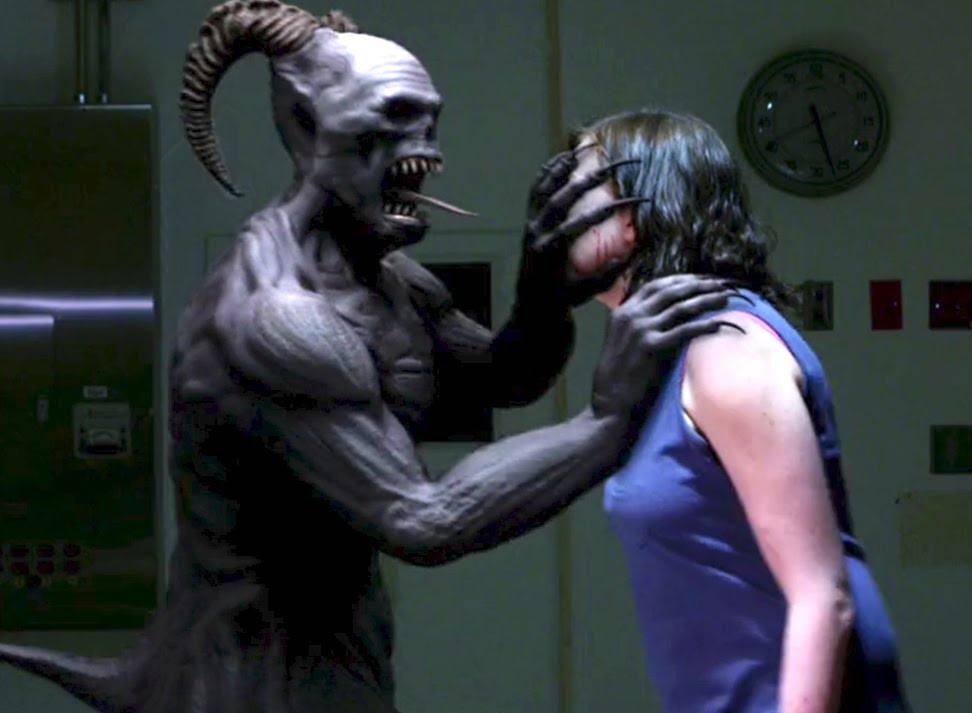
 A Christmas Horror Story (2015) goes the anthology route, but while William Shatner delights as a sassy radio DJ spinning holiday hits between the stories, the standout segment is the one that culminates in Santa Claus facing off against Krampus in a fight to the death. It’s a pretty terrific brawl, and Santa’s nemesis features a stellar design, complete with horns, hooves, a gnarly face, and an impressively ripped torso. As thrilling as the fight is, the Krampus-free action leading up to it brings its own kind of joy as Santa’s elves become infected with something evil, turn into little zombies, and have to be slaughtered, leaving blood and body parts all over the workshop. Krampus actually makes a second appearance in a different tale that sees him stalking a family wandering the wintery woods, and while it’s slight entertainment, its pairing with the Santa segment is enough to lift this film to third best among Krampus movies.
 The same year also brought the second best — and highest-grossing — in Michael Dougherty’s Krampus. It’s a studio-backed Krampus movie, and the bigger budget is visible on the screen both in the recognizable cast members and some memorable creature effects. The story plays off the legend to a degree as the creature comes calling to collect some truly shitty people. Fed up with his family, a young boy wishes they’d all just disappear, leading to Krampus’ arrival and the mayhem that follows. Toys, cookies, and a giant slinky clown come to life to terrorize everyone, and they’re all working in the service of the big guy himself, a creepily crafted Krampus leading his horde of elvish minions. As a creature feature it’s an absolute blast, and while its mythology is wonky it’s the closest to the Krampus legend we should ever expect from a major studio.
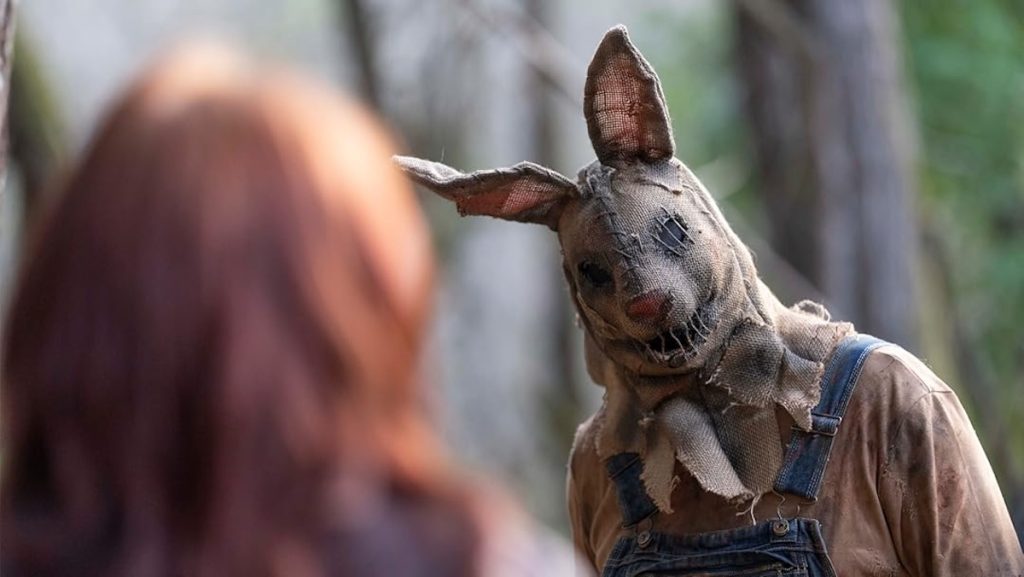
 The sixth film, Krampus: The Reckoning (2015), is another low-budget effort, but it works best when it’s ignoring the Krampus aspects of its story altogether. Rather than being a weakness in the script, though, I’d bet cash money it’s due to the filmmakers having taken an existing screenplay and mashing some Krampus action into it. The core story involves a disturbed little girl who claims to be friends with Krampus himself, and it’s her actions that appear to be guiding the creature’s hands as he makes his way around town burning people to death. Yeah, Krampus as firebug makes no sense, and that’s just one of many clues that he doesn’t actually belong in this story. His appearance is another, as he’s a CG creation straight out of a videogame cut-scene. As a Krampus movie it underwhelms, but as a story of supernatural consequences? Same.
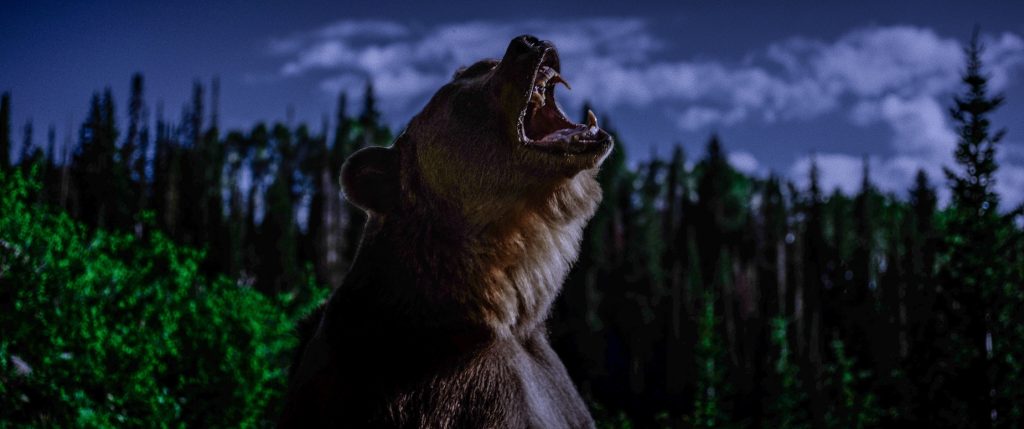
 Next up is Krampus Unleashed (2016), and while it acknowledges some elements of the legend it’s ultimately a straight-up monster movie. Miners in search of treasure find an odd stone, and just like that they’ve unleashed the Krampus from his previously secure prison. The beast begins working his way through the town’s populace pausing only to eat their intestines — not something I’ve seen previously in the mythology — and it all comes to a head as a handful of neighbors struggle to survive the night against the furry creature. As with most of the indie efforts here, it’s clear the Krampus elements are present for cheap name recognition.
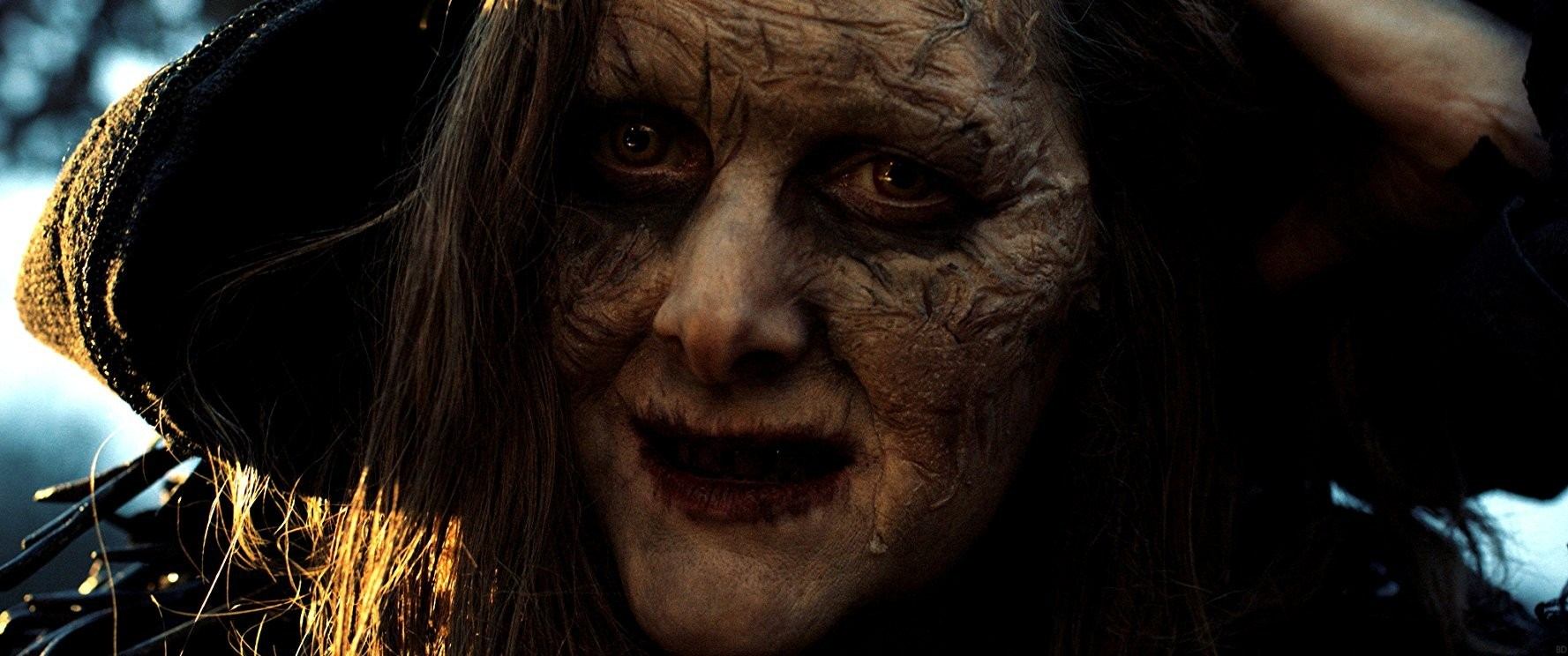 In that contest, though, the winner is the most recent entry, Mother Krampus (2017). While the others at least feature a title monster that can bear the name Krampus, this film can’t even manage that. Why? Because the movie is originally called 12 Deaths of Christmas and is about a witch who fulfills a curse against the townspeople who burned an innocent woman alive. She returns seeking vengeance by focusing on the children, and that’s about as close as it gets to a story of Krampus.
So that’s where we stand on the subject of Krampus movies. Hundreds of years of legends, and only eight movies to show for it … and less than half of those are actually worth your time. It’s hard to say if the future looks brighter for our horny friend, but it certainly looks busy. Per IMDb, there are at least six more Krampus-themed feature films in various stages of production, with titles including The Curse of the Krampus, Krampus: Beware the Krampus, Lady Krampus, and ‘Twas the Tell-Tale Krampus Carol. Two others stand out as promising, with Kevin Smith’s Anti-Claus and a Jim Henson Production called Happy Krampus keeping us hopeful that someone somewhere will eventually give us the Krampus goodness we naughty and nice film lovers deserve.
Rob Hunter, a horned mythological demon, lives in California.