Jeffrey Webb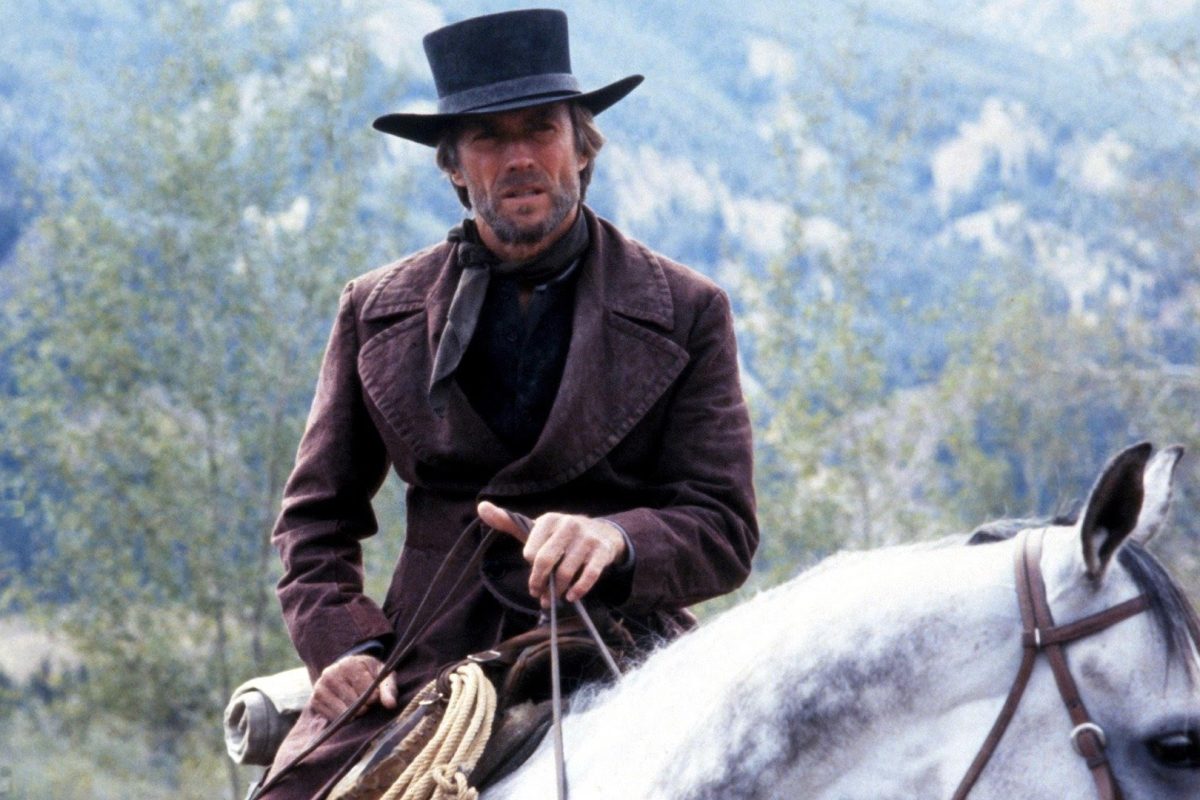
When Pale Rider rode into theaters forty years ago, it was Clint Eastwood’s first true western as both an actor and director since 1976’s Outlaw Josey Wales, and it would be his last until 1992’s Unforgiven. Of the three films, Pale Rider is a true middle child, overlooked and neglected by many critics. For instance, a 2024 ranking of Eastwood’s directed films by critic Keith Phipps had Unforgiven and Josey Wales at one and five, respectively. Meanwhile, Pale Rider clocked in at twenty-three. Of the three, Pale Rider certainly plays the most traditional, but that’s only in comparison to the other two. Taken on its own, the film is somber, violent, and a well-crafted revisionist western.
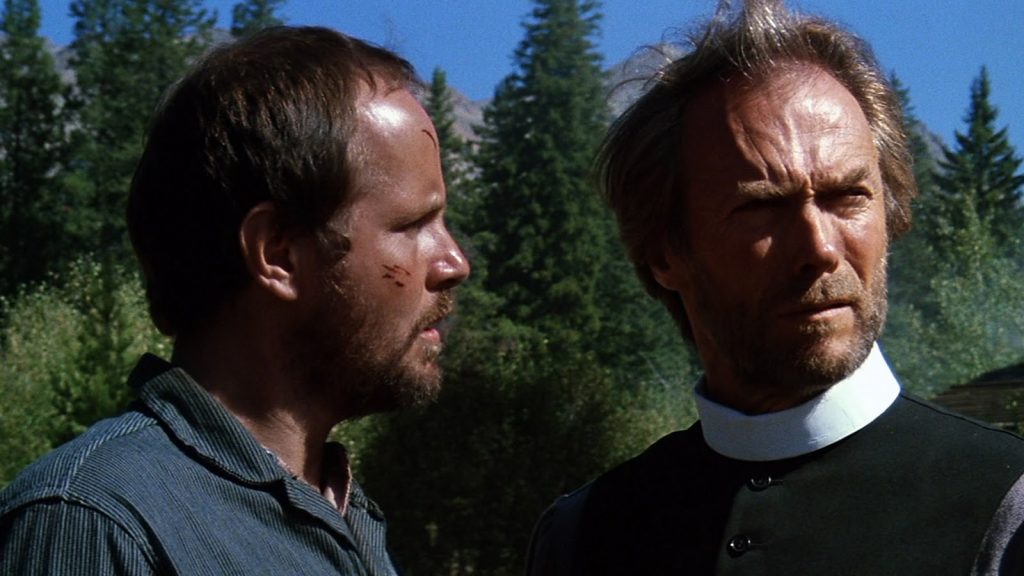
Taking place in California, the picture follows a community of gold miners being terrorized by a powerful businessman, Coy LaHood (Richard Dysart). By employing various tactics of intimidation, LaHood hopes to drive the miners off the land so that he can claim it for himself. One day, a mysterious stranger known only as Preacher (Eastwood) rides into town and saves one of the miners, Hull (Michael Moriarty), from a beating at the hands of LaHood’s men. By doing so, Preacher makes himself a hero to the miners and an enemy to LaHood, all culminating in the inevitable third-act showdown.
For a while, the film plays out like a traditional western with its deliberate pace and a clear delineation between heroes and villains. An hour-and-a-half passes before anyone is even killed — a miner, murdered by a group of marshals hired by LaHood. The marshals, who are more beholden to money than justice, outnumber the miner seven to one. They gun him down with a barrage of bullets, finishing him off with a headshot. It’s the first of many more violent deaths to come, signaling a shift in the film’s tone to a world much more brutal.
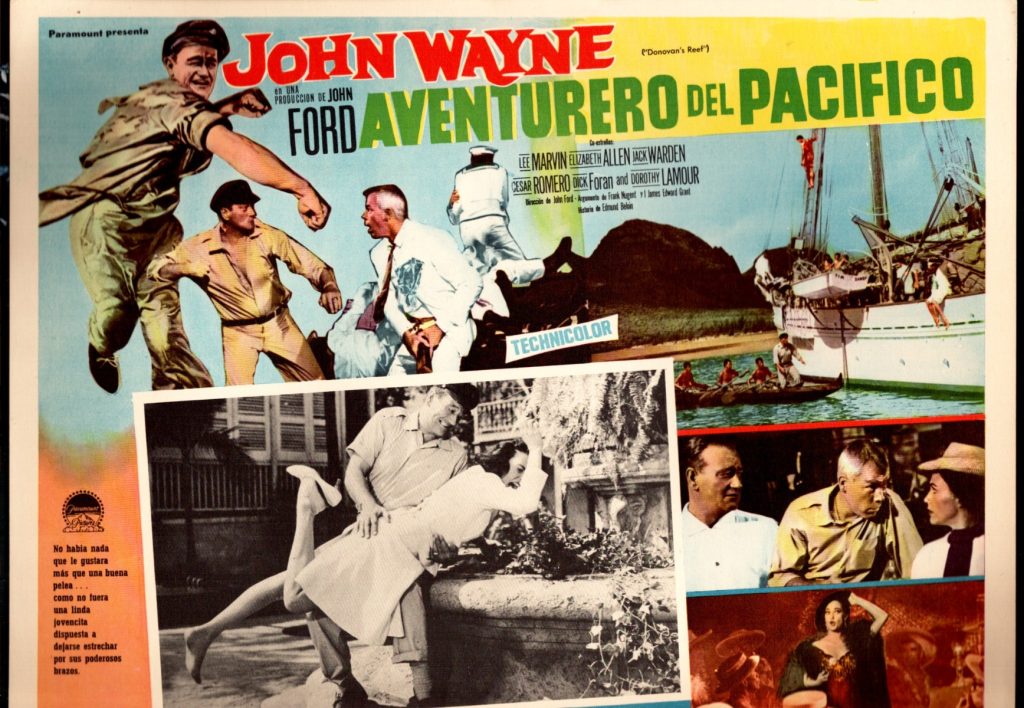
The brutality is accentuated by the film’s color palette, or lack thereof. In indoor scenes, characters are half-hidden in shadows. In outdoor scenes, they’re cast against a backdrop of overcast skies, mud, rock, and gray snow. Pale Rider’s gritty western landscape, shot by cinematographer Bruce Surtees, is a long way from the vibrant Technicolor hues of John Ford’s Monument Valley.
In a Rolling Stone interview around the time of its release, Eastwood talked about his motivation for making the film. “In the Sixties, American westerns were stale… Then the Italian western came along, and we did very well with those; they died of natural causes. Now I think it’s time to analyze the classic western. You can still talk about sweat and hard work, about the spirit, about love for the land and ecology. And I think you can say all these things in the western, in the classic mythological form.”
There is plenty of mythologizing in Pale Rider. Eastwood’s Preacher is almost an otherworldly figure, perhaps even a ghost given that his origin and his true identity remain unknown. Where he came from is just as mysterious as the half-dozen bullet holes scabbed over on his back. In the climatic shoot-out, he stalks his prey, emerging from the shadows only long enough to strike before disappearing into the darkness once again. “Who are you? Who are you really?” asks Sarah (Carrie Snodgress), the film’s love interest. She doesn’t get an answer.
It’s important, however, to distinguish mythologizing from romanticizing. The score is orchestral, but there are no heroic swells. Rather, the music is percussive and tense. In many moments, the score is absent, leaving only the sounds of horse hooves, explosions, and gunshots. Not only is Preacher often shrouded in darkness, but he’s also frequently shot at a distance, his features nearly indistinguishable. The distance keeps him disconnected from characters on-screen but also at an emotional distance from the audience. There’s no loud or boisterous saloon with characters living it up. Instead, they huddle around campfires and hide in their shops, afraid for their lives.
“I came out here to raise a family,” Moriarity’s Hull proclaims at one point to the miners in his community. “This is my home. This is my dream. I sunk roots here. And we all buried members of our families in this ground.” Pale Rider shows the hardships faced by the miners, the grief and pain that they faced stemming both from the cruelty of the land as well as from the cruelty of men.
John Russell plays Stockburn, the leader of the marshals employed by LaHood. His casting here as a corrupt lawman is effective but also intriguing, given that Russell’s most prominent role was once as the lead of the ABC western series Lawman as the honorable Marshal Dan Troop. As Stockburn, he looks the part of an honorable lawman, even if we know otherwise. He’s got a perfectly groomed mustache, carries himself with poise, and dresses in shades of beige. However, when Stockburn eventually comes face-to-face with Preacher, we know he doesn’t stand a chance. After all, in Pale Rider, the good guys wear black.
“Pale Rider” is available for digital rental or purchase.