Kimber Myers
If you divorce Emerald Fennell’s adaptation of Wuthering Heights from the original Emily Brontë book, there’s more to like and less to get hung up on. The title of this 2026 take is even set in quotes, like winks accompanying the words designed in a romance-novel-worthy font, telling you not to take it too seriously. This version plays like Fennell’s only experience with the book was in a high school class where she didn’t do the reading and napped through the discussion, only paying attention to the sigh-inducing lines said by the lovesick characters and ignoring minor elements like themes, characters, and plot details. The director also takes a teenage girl’s approach to the central love story between Catherine and Heathcliff, casting him more as a brooding hunk who only turns into a monster after he has his heart broken by her, making him much easier to lust after than the book’s brute who hangs a dog. This is a horny, hollow reworking, but that seems to be entirely what Fennell is going for.
Like Michael Jordan and most big screen adaptations of Emily Brontë’s sole novel, Fennell says, “Fuck them kids.” This version only focuses on the first half of the novel, jettisoning the part about the next generation and how the cruelty and misery just keeps on going as Heathcliff is haunted by the memory of his lost love. Fennell’s film bears the slightest resemblance to the classic. Major characters are gone or elided into others—no one liked Hindley Earnshaw anyway—but it also takes liberties with the ones who remain.
Fennell begins with Cathy (Charlotte Mellington) and Heathcliff (Owen Cooper) as kids, growing up in the same sad household after Cathy’s drunk gambler of a father (Martin Clunes) rescues Heathcliff from abuse on the street only to abuse him at his new home of Wuthering Heights. But in the drafty house on the moors, Heathcliff at least has the company of Cathy. But she—like the movie’s soundtrack creator Charli XCX—is brat, and she treats her ostensible best friend like dirt while she craves time with him. When the pair grow up without necessarily maturing, they’re still inseparable, until Cathy (Margot Robbie) announces her intentions to marry their rich neighbor Edgar (Shazad Latif) to her companion, Nelly (Hong Chau), and Heathcliff (Jacob Elordi) overhears and loses his mind.
By casting Elordi as a character who the book describes as “dark-skinned,” this Wuthering Heights ignores race, one of the central reasons why Cathy and Heathcliff can’t be together. It also disregards Brontë’s explorations of gender and skims over discussions of class. Instead, it devotes all of its copious energy to the commingling of pleasure and pain, both physical and emotional. Wuthering Heights begins with what sounds like a sex scene, all heavy breathing and squeaking, but it soon becomes clear that we’re witnessing violence. Almost everyone here enjoys inflicting cruelty, witnessing others’ cruelty, or being the object of that cruelty. It’d be a bit of a bummer, except that it struggles to elicit any real emotions because we cannot care about these people.
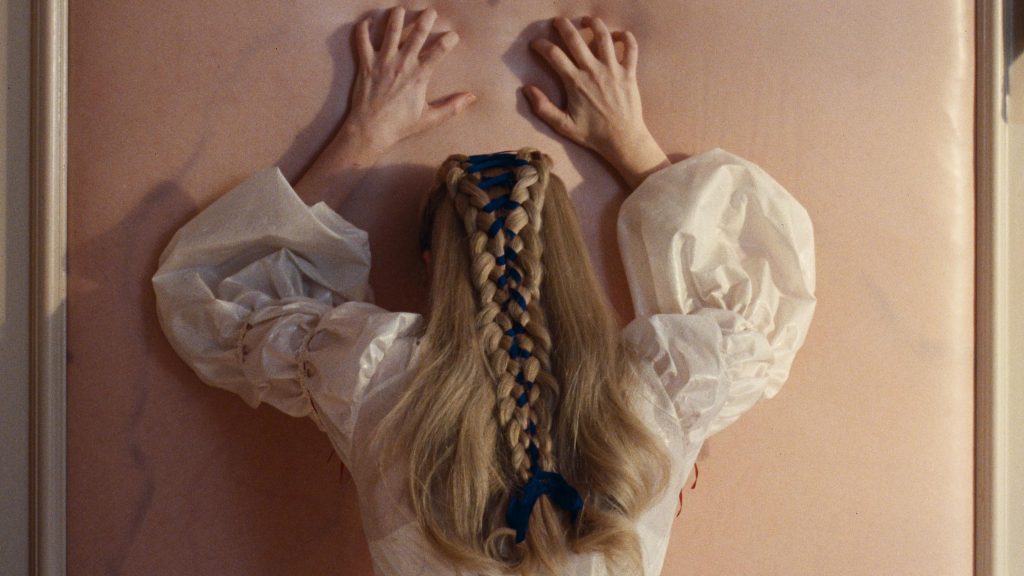
Instead, it’s mostly sick, slick fun, with the slickness coming from more than just Fennell’s adoration of viscous substances like raw eggs, slug slime, and various bodily fluids. It oozes style in the shots composed by cinematographer Linus Sandgren, capturing these characters in crepuscular light as they traipse across the moors. Catherine’s dresses (designed by Jacqueline Durran) are lush, lusty scarlet velvet, and it’s easy to get your breath stolen by production designer Suzie Davies’s work, particularly a red lacquer floor set off by a white fireplace adorned with ivory hands. It’s gothic and glorious, and every bit of it looks fucking gorgeous, even beyond all the pretty people on screen.
Sure, Elordi is dreamy, and Robbie is enjoyably unbalanced, but the real MVP honor goes to Saltburn’s Alison Oliver as Isabella, Edgar’s ward (his sister in the books). She’s equally childlike and unhinged, and the actress earns a laugh almost every time she’s on screen. Geraldine Fitzgerald was nominated for the role in William Wyler’s 1939 version, but Oliver is doing something totally new and it’s a deranged delight to experience.
Like Fennell’s characters (and make no mistake, these are hers, not Brontë’s), the Saltburn and Promising Young Woman director also isn’t sure where to draw the line between pleasure and pain. Wuthering Heights seesaws between misery and enjoyment, and Fennell inflicts each wantonly. Do not go into this expecting a straightforward adaptation of one of the greatest novels of the English language; instead, it’s enjoyably trashy, like a dogeared mass market romance novel, extra worn in a couple of sexy scenes.
B
“Wuthering Heights” is in theaters this weekend.