Kimber Myers
With Zodiac Killer Project, Charles Shackleton has made a movie about not making a movie. And it’s probably better than the movie the director would have made if everything had gone to plan. Instead of finishing a film about the Zodiac Killer, Shackleton uses the medium to explore the tricks and tropes of the true crime genre with a deadpan wit and keen eye.
Zodiac Killer Project is all hypotheticals: what Shackleton would have done if he hadn’t lost the rights to a nonfiction book about the California killings. In addition to being its director, he’s also its editor, producer, and narrator, and that fourth role finds him sharing via voiceover where he would’ve filmed, how the reenactments would have gone, and what B-roll he would have used. He knows this not only because of all the work and thinking that he did in pre-production before things fell apart, but also because there’s an easy-to-follow recipe that dictates how true crime docs should unfold.
Zodiac Killer Project shows the repetition and the rhythms of the genre, beginning with their eerily similar opening credits. Shackleton edits together clips from titles even casual true crime watchers might recognize—Making a Murderer, The Jinx, I’ll Be Gone in the Dark—but it also references movies and shows that only those who have fallen deep down the algorithmic rabbit hole will have seen. Genres exist as such because they fall within certain boundaries, but Zodiac Killer Project emphasizes exactly how narrow those borders are for true crime. Yet Shackleton isn’t just making fun of its would-be brethren and their adherence to formula; he believes that the movie he would have made would’ve followed that well-trod path—and it still would’ve been good.
Shackleton fills Zodiac Killer Project with long takes and slow pans, all while narrating his efforts in a pleasantly soporific tone. The genre is known for its sensationalistic approach, but Shackleton veers away from that with intentionality. He also doesn’t go into any detail about the actual murders—and he doesn’t have to, given that the subject of his subject is among the most famous unsolved crimes of all time, having captured attention with other documentaries and movies as diverse as David Fincher’s Zodiac and a John Holmes-led porno.
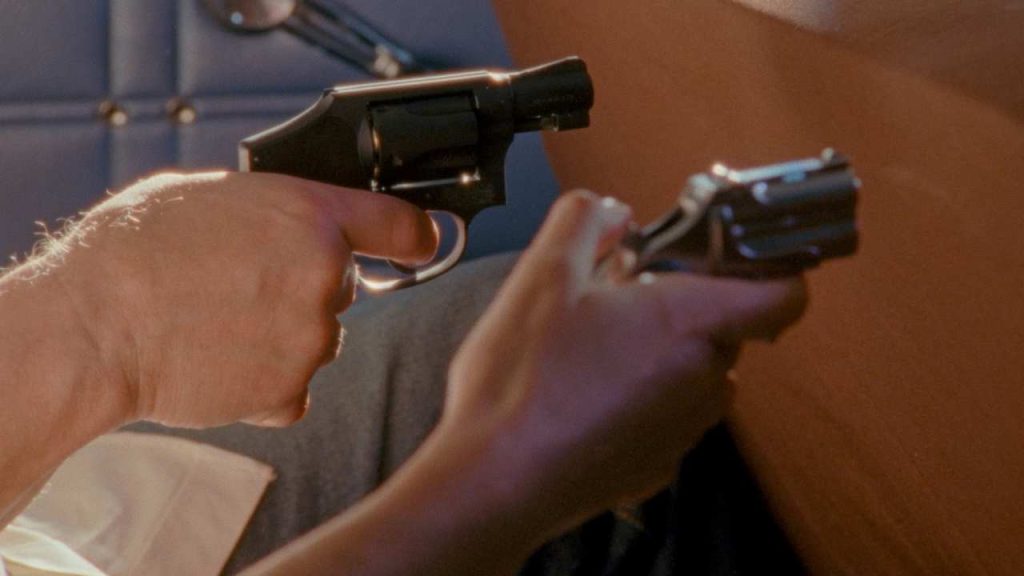
Likely in contrast to that last one (I wouldn’t know) and certainly in opposition to the standard true crime offering, Shackleton takes a thoughtfully dry approach, refusing the audience all of the so-called pleasures and comforts of watching this sort of thing. It nods to the ethics of all of this as entertainment, though it doesn’t dwell too much on this. Yet other than a few draggy moments, Zodiac Killer Project is surprisingly fun, and it doesn’t hurt that it doesn’t overstay its welcome at a brisk 92 minutes. It’s sly and smart, wry and wistful, and it’s something far more compelling and inventive than we likely would have gotten with Shackleton’s original idea.
That initial movie would have fallen into the particular type of nonfiction film that can sometimes seem like the only type of documentary that captures public attention. Your average non-cinephile might not know Errol Morris, Laura Poitras, or Joshua Oppenheim (or even the films they’ve made), but they will be familiar with true crime documentaries because they’re so ubiquitous across streaming platforms.
With its unsolved nature, the Zodiac Killer case feels like the white whale for this kind of thing, the kind of show or movie that captures the imagination when it lands on streaming and then disappears from memories after a week for everyone but the filmmakers and those connected to the crime. It serves as such for Shackleton, who cannot seem to let it go. Yet rather than let it drag him to the depths, the director has turned obsession and presumptive failure into a film deserving of viewers’ time, regardless of whether they normally watch the genre. Zodiac Killer Project transcends and transgresses true crime’s boundaries with both affection and intelligence.
B+
“Zodiac Killer Project” is out this weekend in limited release.