Zach Vasquez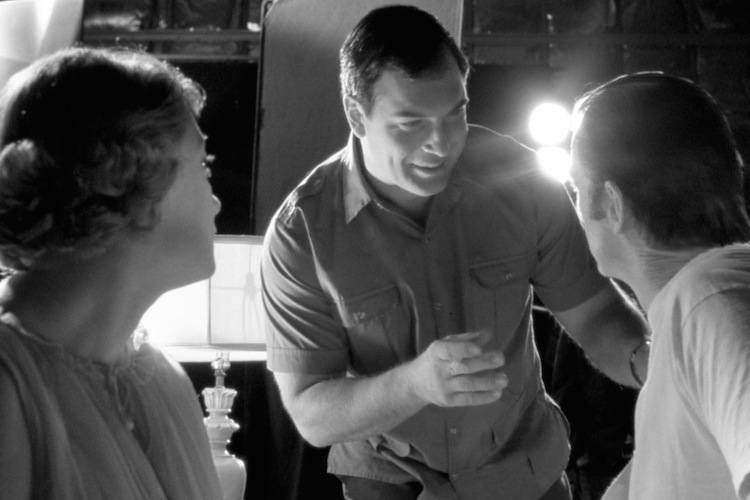
1999 is considered one of the strongest years of cinema in living memory. There will no doubt be countless articles in 2019 marking the 20th anniversaries of that year’s greatest hits and examining their impact and legacy.
But this column isn’t about those movies. This column is about the overlooked gems from 1999 — the weird, ungainly, or unjustly forgotten films that don’t usually get listed alongside the established classics, but which are just as deserving of their own retrospectives.
THE WOMAN CHASER
It’s probably an overreach to call The Woman Chaser a cult classic. It’s more of a cult oddity — a film that’s hovered on the edge of discovery since its premiere at the New York Film Festival in the fall of 1999. A low-budget, black-and-white comedy-noir with a mean streak a mile wide and a spleen where its heart should be, it was never going to catch on with a wide audience. Still, it deserves to be rediscovered and placed alongside other classic showbiz satires of the ultra-bitter variety — A Face in the Crowd (1957), The Sweet Smell of Success (1957), Sunset Boulevard (1950).
The Woman Chaser is the debut feature of Seattle-based filmmaker Robinson Devor, who adapted it from Charles Willeford’s 1960 novel. It’s one of three Willeford adaptations to-date, along with Monte Hellman’s infamous Cockfighter (1974) and the neo-noir classic Miami Blues (1990). Both are great films in their own right, but The Woman Chaser might be the greatest of them all, and the purest translation of Willeford’s unique vision to screen.
This month marks the 100th anniversary of Willeford’s birth. The author, who died in 1988, is second only to Jim Thompson (to whom he’s often compared) when it comes to writers of second wave hardboiled crime fiction. But Willeford was interested in more than just crime — his work reflected the the twisted sociopathy that exists square in the heart of the American dream. His singular brand of psychological noir, vicious satire, and grotesque character study make him an essential writer for this current epoch of American Carnage, and there is no better entry point into his work than this film.
Set in 1950s Los Angeles, the story follows Richard Hudson (Patrick Warburton), a hulking conman whose powers of seduction and ruthless business acumen are matched only by his naked oedipal complex and arrested development. After returning to his home city and setting up shop at a used car lot (he makes his salesmen dress up like Santa Claus in the middle of the sweltering summer), Richard has an existential crisis. For all his swaggering machismo, he is a shameless aesthete; the only thing that matters to Richard is artistic fulfillment. Naturally, he decides to make a movie (an ultra-bleak road movie that, as described in the original novel, perfectly anticipates the fatalistic offerings soon to come from the New Hollywood generation). Once set on this course, Richard will stop at nothing to bring his mad vision to fruition.
When it comes to actors stepping outside their established personas, the term “revelatory” gets thrown around a bit too frequently, but Warburton earns it. A cherished character actor thanks to his iconic turns on Seinfeld, The Tick, and The Venture Brothers, here he reveals a deep and convincing malevolence not hinted at before or since, while still making the most of his innate comic presence. His stony features, swarthy complexion, husky figure, and deep baritone make him seem one with his midcentury surroundings, while his ability to portray Satanic cunning and egomania stand him as a precursor to the toxic-but-enticing antiheroes that would come to define the “prestige television” of the following decades. Richard Hudson is the nexus point between, and forefather to, Tony Soprano, Don Draper, and Walter White, and after watching him here, it’s easy to picture Warburton in any of those roles. Hopefully some day Warburton will be given the opportunity to showcase his full talents once again.
The same can be said of Devor, who in the years since has directed only one other feature (2005’s Police Beat) and two documentaries. The first of those, Zoo (2007), remains his best known film, though that’s due mostly to its notorious subject matter. His latest, Pow Wow, saw a small theatrical release early last year, but failed to draw much attention (though it received a handful of raves, including one from Richard Brody of The New Yorker). Several years ago he started production on an adaptation of Jack Black’s autobiography You Can’t Win, starring Michael Pitt, but that seems to have fallen apart during shooting.
Almost as depressing as the lack of films from Devor is the lack of attention given to his existing output. He should be held up alongside Shane Carruth as a visionary director whose professional reclusiveness only makes the prospect of a new film more tantalizing.
This might be the case if The Woman Chaser hadn’t been so hard to see for so long. Despite an initial home video release and subsequent bare-bones DVD (both long out of print now), the film all but disappeared. According to Devor (whom I heard speak at a 2011 screening of The Woman Chaser in San Francisco), the trouble stemmed from a rights dispute over the film’s soundtrack.
A few years ago, The Woman Chaser was finally made available on VOD, though even that came with some caveats — the current version has a different soundtrack, the transfer is terrible (I can attest to the film’s true visual richness), and two key scenes have been cut out (neither greatly affects the overall plot, but both add to the weight of it all, with one being particularly shocking).
Hopefully a boutique distributer will one day release the film on Blu-ray, but in the meantime, the VOD version will have to suffice. Even in its shabby presentation and slightly truncated form, the film retains an immense power, one that’s both hypnotic and repulsive. Like the best of Willeford’s novels, it will crawl inside your skull and leave its nicotine-stained fingerprints all over your brain. While that might not appeal to everyone, lovers of black comedy, hardboiled noir, and transgressive cinema owe it to themselves to let this mean bastard of a movie in.