Zachary D'Amico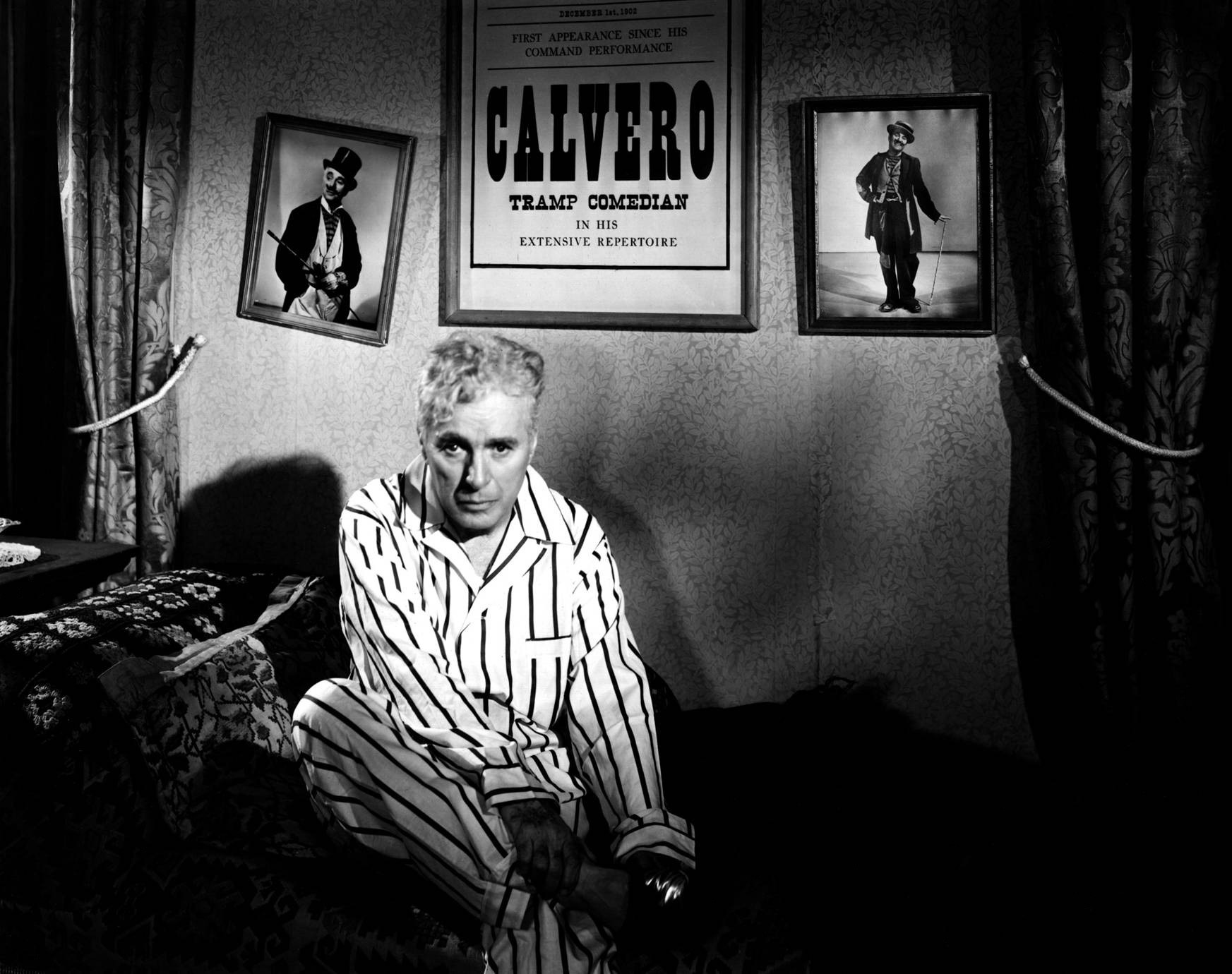
On March 27, 1973, Charlie Chaplin received his only competitive Oscar, a Best Score award for his 1952 film Limelight. Twenty-one years earlier, as Chaplin sailed from New York City to London for the premiere, the U.S. government revoked his re-entry visa and banned the Little Tramp from returning to his adoptive home. Limelight wouldn’t play in Los Angeles theaters until 1972, making it eligible for a belated prize. Chaplin wouldn’t return until the same year.
In Limelight, Chaplin plays Calvero, a fallen comedic talent in the waning days of vaudeville. Robbed of his sobriety, stage name, and dignity, Calvero turns the love of a rising young dancer into one final show, a return to glory as he is embraced by the industry that shunned him. Chaplin spent three years working on the story for Limelight, all while being investigated by the FBI for communist sympathies and harangued by Congress, the public, and his former colleagues.
“I’m not so sure, maybe I love them, but I don’t admire them,” Calvero says about the public early in Limelight, though he might as well be Chaplin breaking character to speak about Hollywood. “They’re like a monster without a head that never knows which way it’s going to turn. It can be prodded in any direction.”
Hollywood loves a comeback – or so goes the phrase. But a more accurate rendering might be: Hollywood loves to blacklist artists once others turn against them; rebuff their attempts to return to the artform they love; and ultimately co-opt their redemption story as an industry-approved comeback.
At the beginning of Limelight – set in 1914, the same year of Chaplin’s first film appearance, a one-reel Keystone comedy called Making a Living – Calvero is a washed up, wine-infused former stage clown. His managers are “holding out” on him. Theater owners ignore him. In his first comeback attempt, Calvero endures the indignity of performing under a different name, only to watch most audience members fall asleep or walk out.
Chaplin returns to this theme throughout Limelight: his road to redemption is strewn with the apathy and animosity of those he once helped make rich. After Calvero saves an aspiring dancer from suicide and nurses her back to health, the young Terry (Claire Bloom) in turn finds a place for the aging clown in an upcoming ballet. The theater owner doesn’t even recognize the man who once headlined at his establishment, and indeed puts out a call for replacements when Calvero fails to elicit laughter.
Eventually, Terry convinces Calvero to return for a one-night benefit concert. Chaplin populates this final audience not with the usual vaudeville crowd, but with the wealthy, well-dressed elite. The very power players who banished him to obscurity now adorn him with adulation, basking in the spoils of Calvero and Terry’s hard work.
Chaplin wrote this story just as he lived it. He resided in Switzerland for two decades after being barred from America. His next film, 1957’s A King in New York, turned its satiric lens on the U.S. and despite garnering a warm reception in Europe, failed to find distribution stateside. Chaplin was persona non grata in the town he helped build from scratch.
But as with Calvero, time heals most wounds. As the country lurched leftward, the press and the public slowly returned to Chaplin’s corner. Between 1962 and 1964, a new generation rushed to see Chaplin’s old films in New York and sought out his autobiography in droves. New York Times writer Brooks Atkinson decried the government’s “cowardly revocation of his re-entry permit.” But still, Hollywood maintained its distance.
Finally, at the 1972 Oscars, Chaplin received an Honorary Academy Award “for the incalculable effect he has had in making motion pictures the art form of this century.” The privileged members of cinematic royalty rewarded their black sheep with a 12-minute standing ovation. The following year, they gave him a competitive Oscar for a film they refused to play for two decades. As in Limelight, the industry waited until the last moment to reclaim their prodigal son.
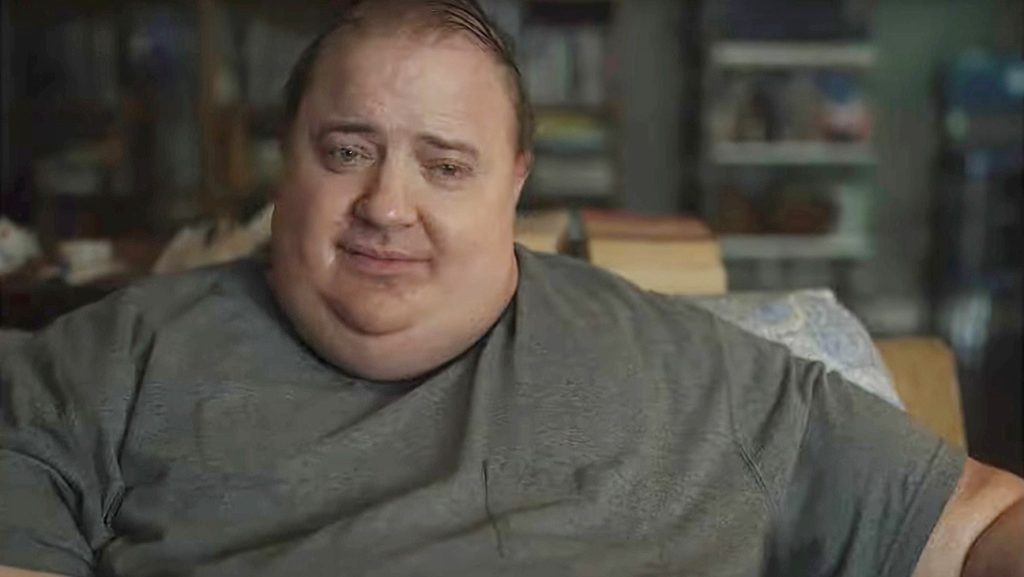
Fifty years later, Hollywood operates from an identical playbook. After rising to action superstardom in the late 1990s, Brendan Fraser’s career stalled. “The phone does stop ringing,” Fraser told GQ in 2018. And for the first time in 15 years, Fraser detailed an alleged sexual assault by Philip Berk, President of the Hollywood Foreign Press Association. Fraser believes this is one of several reasons his opportunities dried up.
As a child, Ke Huy Quan played the beloved Short Round in Indiana Jones and the Temple of Doom and Data in The Goonies. As Quan got older, he couldn’t find work. Quan told Deadline that he would see movies and wonder, “[H]ow come they didn’t write roles like that for Asians?” He turned to work as a stunt choreographer and assistant director to stay around the industry.
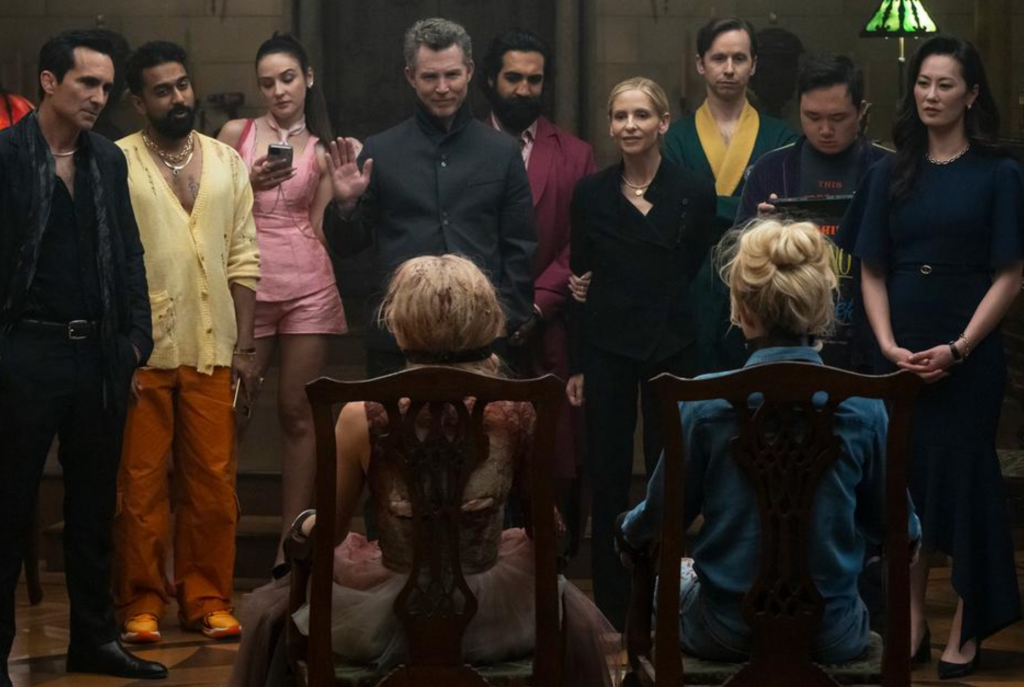
In January, both Fraser and Quan received Oscar nominations for roles billed as their triumphant return to Hollywood. Their scripts are similar. Both have credited the kindness and determination of individuals: writer-directors Daniel Kwan and Daniel Scheinert found Quan for his supporting role in Everything Everywhere All at Once; Darren Aronofsky sought out Fraser for his turn in The Whale. Both received public support for their films, plaudits from critics’ groups and film festivals, and high-profile interviews in the press.
And, finally, after their own hard work brought them to the doorstep of redemption, the industry that once turned its back on them finally stepped forward to embrace them.
In Limelight, Calvero died as a result of a gag at the end of his benefit show. He never performed again. In reality, Chaplin’s health was failing by the time he returned to the U.S. and Oscar glory. He died four years later. He never made another movie.
As Hollywood welcomes back its new Calveros, we can only hope it isn’t too late for their second acts.