Max Borg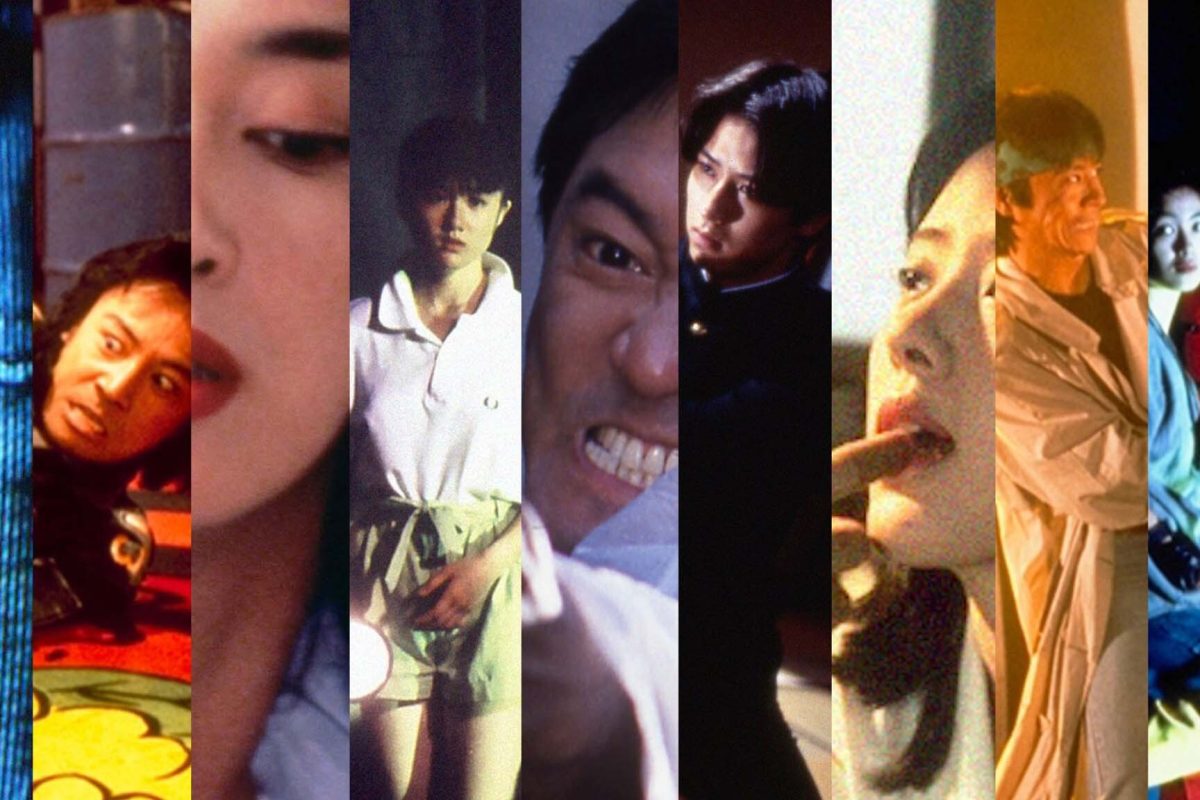
Every year, the European film festival season begins in Rotterdam, in the Netherlands, with an event that aims for as rich a celebration as possible of all forms of cinema. This includes its Focus programs, which typically emphasize a subgenre or a filmmaker deserving of more international exposure. This year, courtesy of curator Tom Mes, one of those programs put a new spotlight on Japanese V-Cinema.
The name refers nowadays to a whole culture of genre films – action, gangster, sex – that were produced directly for the VHS market throughout the 1990s, although at the time it was technically a label, an imprint under the auspices of a specific studio, Toei. As Mes details in this extensive overview of the era, other companies like Nikkatsu did the same thing, but their attempts were not as successful.
While the notion of a movie bypassing the theatrical circuit altogether tends to have somewhat iffy connotations (for animation fans of my generation, the image that comes to mind is that of the mediocre sequels and spin-offs Disney regularly released from 1994 to 2008), Toei’s endeavor had a rationale behind it. The story goes that producer Tatsu Yoshida, while perusing video rental stores, saw people renting up to five tapes in one go. When he asked them how they would get through all five movies in a short amount of time, the answer was depressingly elementary: the fast forward button.
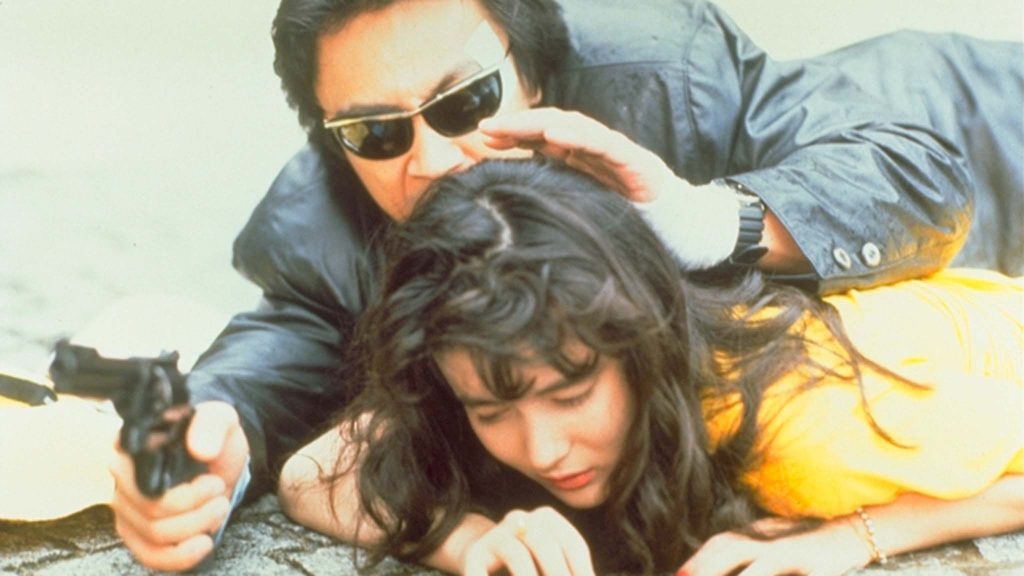
Inspired by this, Yoshida decided to produce a film specifically for the VHS market, rather than try to salvage a failed theatrical project, and make it the kind of movie people wouldn’t want to fast forward. The result, rooted in a screenplay that had already caught the producer’s eye, was 1989’s Crime Hunter, a cop movie that moves almost breathlessly from one action set piece to the next, all in about an hour (including credits).
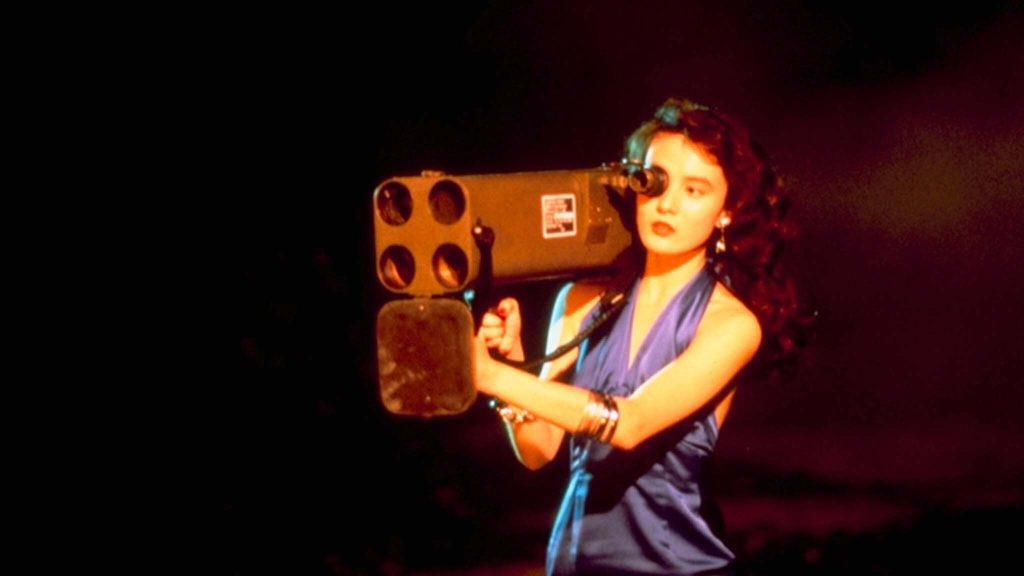
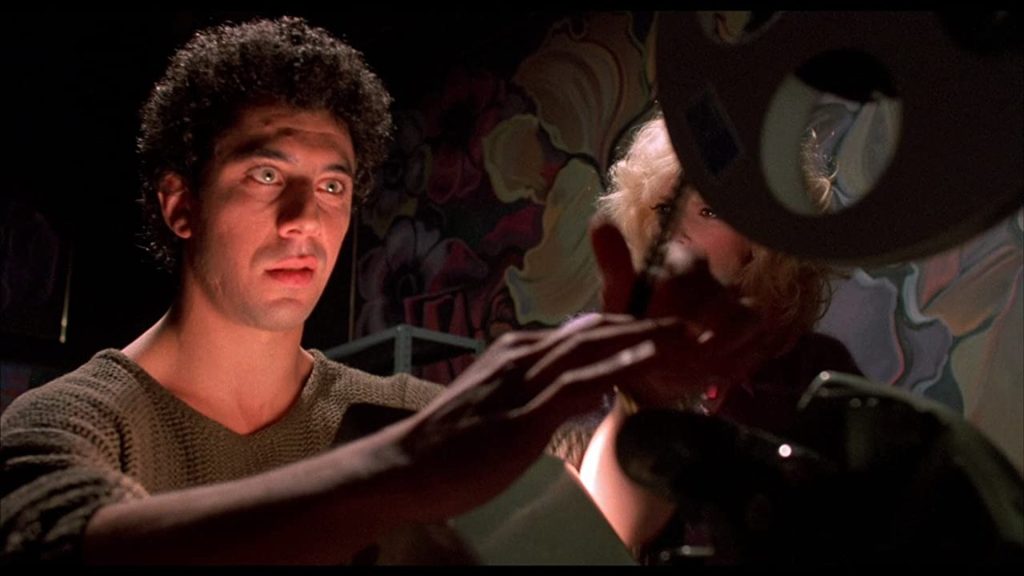
Two sequels followed, and one of the joys of attending the Rotterdam screenings – besides the curator’s informative yet tongue-in-cheek introductions – was getting to see all three Crime Hunter movies back to back in a single evening. The second installment, released in the same year as the first, is arguably the weakest, although it boasts a memorable villain performance from American guest star Eric Douglas (the less famous younger half-brother of Michael). Conversely, the third film is a rare example of a direct-to-video sequel that actually improves on its predecessors by being more confident and – somewhat absurdly, given the production history – more polished, while still true to the franchise’s guiding principles of basically never stopping for air.
Part of the charm of this era, particularly in a festival context where it’s possible to tie these screenings to the event’s own history, is (re)discovering the early work of filmmakers who have since made huge names for themselves on the big screen. Sometimes this took a surprising turn, like when Rotterdam attendees got to see a softcore sex dramedy called Female Teacher: Forbidden Sex. This 1995 depiction of the illicit love affair between a teacher and her underage student was the feature directorial debut of Hideo Nakata, now best known for his horror output like the original Ring. For fans of the latter, there was a bit of tonal whiplash, although it made sense, back then, for Nakata to work in erotica, since he originally started out as an assistant director on the Roman Porno franchise (a series of sexually themed movies produced by Nikkatsu from 1971 to 1988).
The high point, naturally, was Takashi Miike’s Fudoh: The New Generation, a 1996 extravaganza where a gangster executes his eldest son, only for the younger one to seek revenge a few years later with the help of a group of teenage assassins. Filled with Miike’s trademark madness, the film came out at a point when these movies were starting to get noticed by festival programmers, and therefore received a 35mm blowup so it could be exhibited theatrically. Not that it made much of a difference: even the remastered version screened in Rotterdam is clearly, and proudly, a product of that particular era.
This is true for the other V-Cinema titles I had the chance to see at the festival (in addition to all the aforementioned ones, I also watched a horror film called A Haunted School): while they had obviously been touched up to look their best under these celebratory circumstances, they were evidently films that had been produced for a specific market, sometimes cheaply to a fault. And yet, true to Tatsu Yoshida’s ethos, none of them felt like an afterthought. They all came from a place of genuine love for cinema, and the possibilities available within this mesmerizing subculture.