Kayleigh Donaldson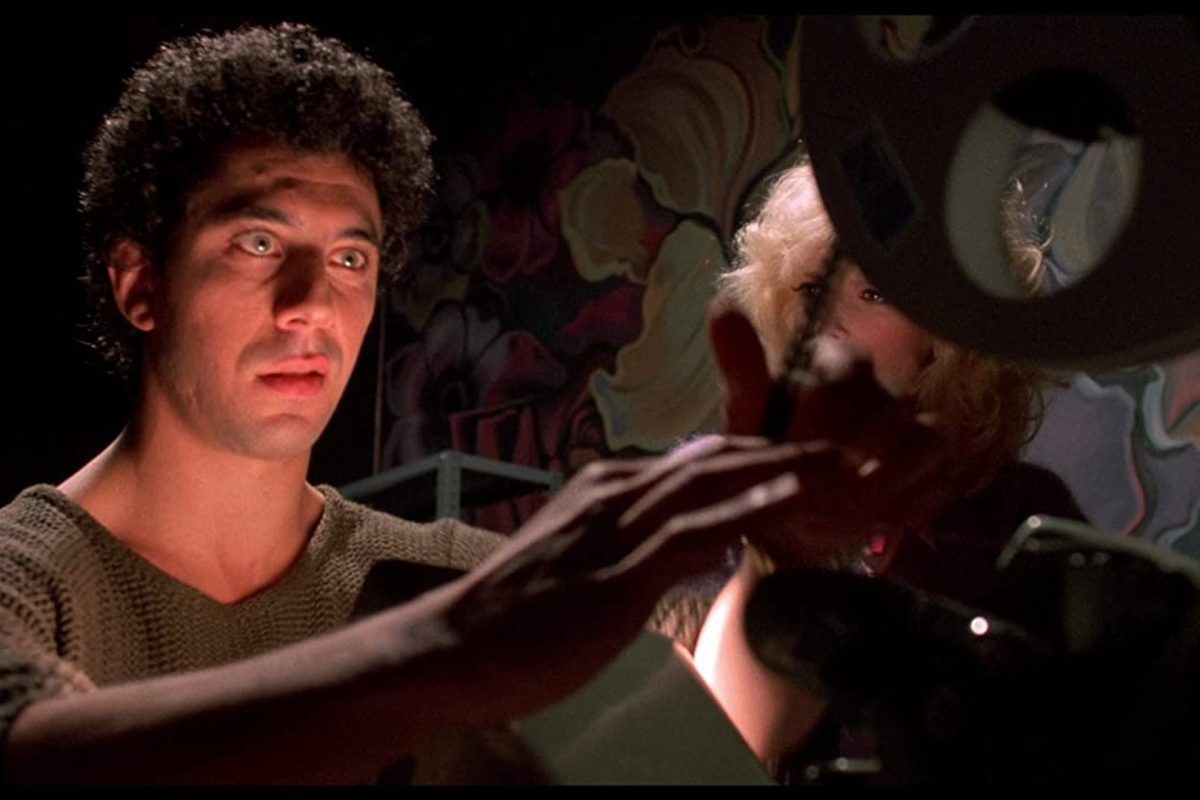
The film career of Larry Cohen is so varied, unhinged, and occasionally dangerous that you’re stunned he was ever allowed to make movies. The maverick writer-director was a blend of guerilla indie thrill-seeker, B-movie shlock-jock, and scathing satirist, never making the same movie twice if he could help it. How many other people in the industry have a filmography that includes Blaxploitation classics, a J. Edgar Hoover biopic, a ‘Salem’s Lot TV movie sequel, and Q: The Winged Serpent? Even as the industry abandoned the ferocity of ’70s Hollywood in favor of ’80s polish and increasing amounts of franchise fare, Cohen kept his penchant for grime and that keen eye for satire of sacred American mores. While Brian De Palma made stylized thrillers that wore their Hitchcockian influences on their sleeve, Cohen decided to have a go in the same territory, albeit with his unpolished grindhouse approach that proudly revelled in the gutters.
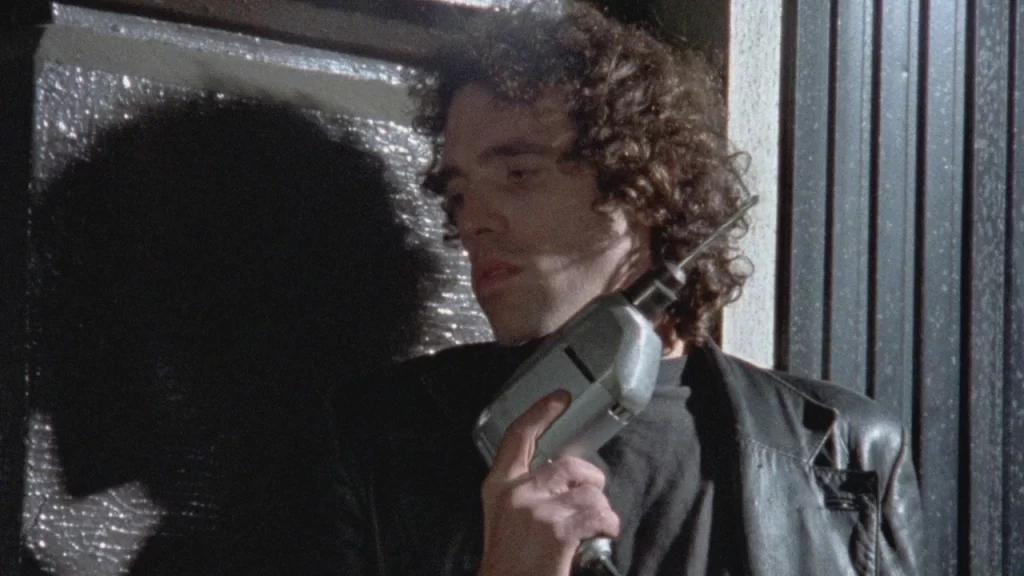
Released in 1984, Special Effects is Cohen’s riff on Vertigo (coincidentally released the same year that De Palma made his, Body Double). Failing director Christopher Neville (Eric Bogosian) picks up an aspiring runaway actress (Zoë Lund) and takes her back to his place with the promise of helping her career. The night ends in her murder, with the entire incident caught on hidden camera. Inspired by his own sociopathy, Neville decides to make a movie based on Andrea’s life, which will include his footage of her death. He even gets Andrea’s husband, Keefe (Brad Rijn) to act as a technical advisor. And to play his victim? Elaine Bernstein, a woman who bears an uncanny resemblance to Andrea, and is also played by Zoë Lund.
Where De Palma’s Vertigo remix is slick and befitting its era, Cohen’s is dirty, both visually and morally, steeped in a nastiness that gets to the heart of Hitchcock’s tale of delusion. The voyeurism of movie-making is depicted with unabashed sleaze and a rough-edged, almost handmade quality that is bereft of De Palma’s brazen elegance. Cohen has proudly thrown this film into the gutter, shooting York with a grimy realism that feels as though he just grabbed a camera and ran through the streets with zero planning or permission. It only adds to the sense that you’re watching something you’re not supposed to see, making Special Effects an intriguing companion piece to Michael Powell’s Peeping Tom.
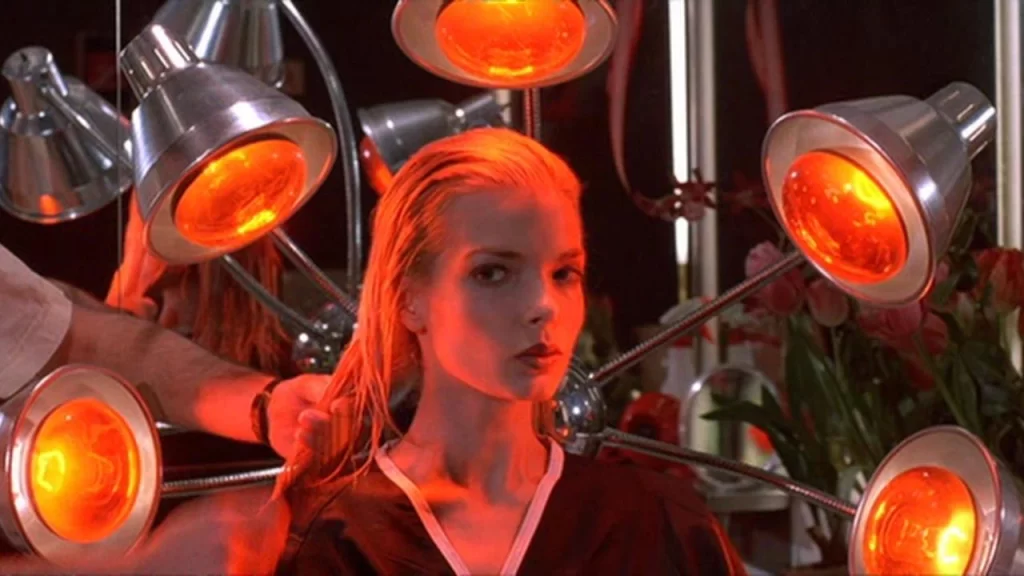
Making the self-obsessed killer a director certainly drives home the message that the men wielding the power behind the camera are as culpable as those in front of it. When asked which directors influenced him the most, Neville, played with a repellent charm by Bogosian in his first leading role, says Abraham Zapruder. Neville is blatantly inspired by both Michael Cimino and Peter Bogdanovich, two directors who experienced career highs followed by disastrous flops and bad professional reputations. The comparison is all but made text with a surprisingly cruel line about the murdered Dorothy Stratten, Bodganovich’s girlfriend, as a “nonentity” who “got a $10 million eulogy on film.” As a has-been director who blew his big shot through egomaniacal tyranny, Neville sees no problem with exploiting someone else’s pain, made by his own hand, for purposes of art and profit. Is it really so different from what all directors do? (Bob Fosse made a similar point about Bodganovich in Star 80, another grimy movie about the intrinsically exploitative nature of celebrity.)
Perhaps fittingly for a Larry Cohen picture, Special Effects is messy with ideas that it can’t always make cohesive. It’s as loaded with ambition as many of his more famous works, like The Stuff, but without the sturdy throughline that made those satirical points sing. Cohen never got the budgets to match his canvas, but here, the low-cost scrappy sleaze works in the movie’s favor. What keeps Special Effects buoyed under the weight of its own ideas, aside from its excellent lead performances, is its genuine sense of meanness. This is a nasty movie with a coal-black heart that has nothing positive to say about art, artists, or those who consume it.
“This is the age of the nonentity,” Neville says at one point. “The glorification of nobody as long as they’re victims.” It’s a disgusting way to view the world, but one that cinema has clearly made bank from (would that Cohen had been around to make films about our current true crime entertainment complex). In theVillage Voice profile that inspired Star 80, Teresa Carpenter wrote of Paul Snider, who murdered his wife, Stratten, then took his own life, that “his sin, his unforgivable sin, was being small-time.” Being a creep is acceptable if you’ve got the means to make it a good business. Christopher Neville was small-time too, but it wouldn’t have taken much bloodshed for him to get back into the big leagues.
“Special Effects” is out in a new Blu-ray from Radiance Films on March 26. It’s also streaming on Amazon Prime Video and MGM+.