Riley Constantine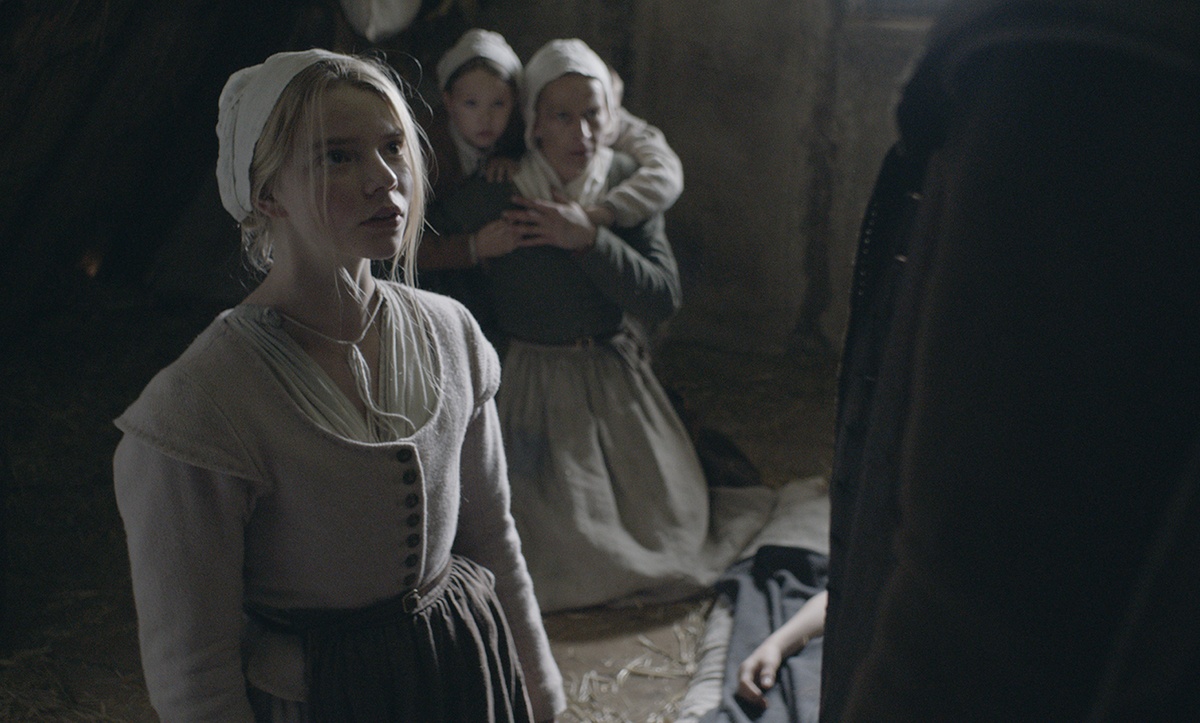
Obsessive compulsive disorder is an incredibly tough mental illness to live with. While numerous movies and TV shows portray OCD as a wacky personality quirk, the reality of it is much more complex and is far removed from the cliché that our society perpetuates.
Hell, all you have to do is take a look at my mess of a room to understand that OCD is more than just being ultra clean, impeccably organized, and maintaining an impressive lava lamp collection. As I write this piece, my clothes are on the floor, the contents of my purse are scattered all over my desk, and all the pills I need to take on a daily basis so I can live a normal productive life are… somewhere.
That’s right: I’m disgusting, and I love it.
Truly, I wish my struggle with OCD were as simple as meticulously reorganizing my movie shelf every five days (never categorize by director or year: it’s a nightmare) because the reality is that my OCD is far more hazardous to my physical and mental well being than most realize. Even though I don’t want to think such thoughts, I dwell over how I should hurt or kill myself quite regularly. My thoughts are consumed by all the numerous ways I can carve my skin with a knife and all the different rooftops I can leap from, and there is no reprieve from my self-inflicted and unwanted torment.
For most of my life, I felt as if I would be a prisoner to my deathly obsessions until the day I died. However, my attitude towards my mental illness changed when I saw a terrific film that perfectly portrayed my battle with OCD by showing a protagonist who had to overcome her own struggle with obsession, and thematically, the film contains an incredibly powerful message about how the human spirit can overcome various emotional and physical trials to find acceptance and love for one’s self.
Of course, I’m talking about The Witch.
Yes, really. The film featuring infanticide, a sexually awakened pre-teen boy, a nipple-pecking crow, and a satanic goat spoke to me on such a deep and personal level that my therapist and concerned friend was extremely alarmed until realizing it was The Witch’s themes I found relatable, not its grotesque imagery (though blood and gore is always a plus in my book).
The Witch follows a young girl named Thomasin and her Christian family who live on the New England countryside in the 1600s. The family strictly adheres to the Bible to the point of obsession as they believe that God alone decides who goes to heaven or hell, and even if they commit the most minor of sins, they believe they must repent in order to remain morally pure — which becomes problematic when they start getting terrorized by a woodland witch.
Upon watching this plot play out onscreen, my moviegoing experience turned out to be a revelatory breakthrough on how I perceived my long-running struggle with OCD. I found a kinship in Thomasin and her desire for moral purity, seeing as I, too, was tormented by the very thought of committing any type of sin or shameful act to the point that I needed to pray in order to morally cleanse myself.
The Witch showed my struggle reflected back at me in how the family was being torn apart by their destructive obsession with remaining morally pure despite the fact that they are incredibly flawed humans. In fact, the family is tormented by some of the simplest of sins: Thomasin’s pre-teen brother becomes sexually awakened, her father steals in order for the family to live, her mother is much more attached to her family than her religion, and Thomasin dabbles in blasphemy.
Yet when the witch sets her sights on the family, these sins strain the family’s relationship with God, and their stingy interpretation of the Bible causes their obsession with moral perfection to become toxic. The family begins to panic and turn on each other in a form of paranoia where they believe they’re being punished by God because they’ve sinned in some way or another.
I can understand how a person’s sanity can collapse underneath them when their mind becomes consumed by an obsession to remain morally pure. Similarly to the family, my youthful sins were quite innocent: I illegally downloaded music, drove a little over the speed limit, and copied my friends’ homework, yet these sins extrapolated into unhealthy obsessions of how I would be damned for my unlawful consumption of music, arrested for speeding, and expelled for checking my answers at school.
This inevitably led me into a life-threatening depression. I thought fate was punishing me because I was a horrible person who wasn’t worthy of living a happy life, and I had to become hospitalized over the fact that I couldn’t get graphic images of hurting and/or killing myself out of my head.
However, The Witch taught me that there was a way to restore my mind to a healthy state and live a life free from obsession. After the desire to remain morally pure destroyed her family, Thomasin realized how mentally and physically unsustainable it was to obsess over her human imperfections. Unlike the rest of her family, she embraced her humanity, flaws, and sinful desires by becoming a witch.
Thomasin’s path to self-acceptance left an incredible impression on me as I realized that I too must not be afraid of my moral failings, and embrace both my good and sinful tendencies in order to function like a normal human being. While I’m not saying I’ll act on some of my more self-destructive impulses (oh god no), I no longer obsess over every random thought to the point that I want to kill myself. Like Thomasin, I’ve been released from the shackles of obsession.
I finally know what it’s like to be free.
Riley Constantine lives deliciously in Chicago.