Jason Bailey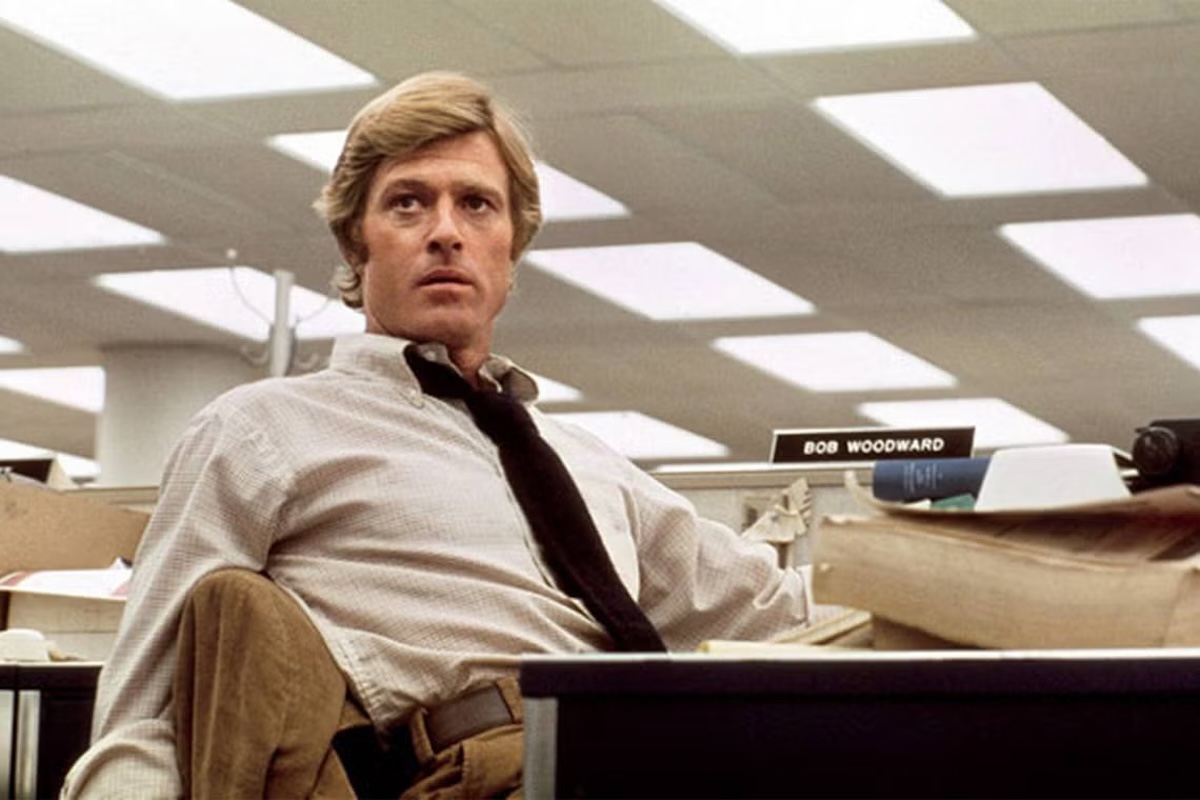
There’s nothing like the passing of a beloved celebrity to bring out the clichés, and there was no shortage of them when Robert Redford died last week at 89. They don’t make ‘em like him anymore, it was said; they broke the mold with that one, and so on. Yet under the circumstances, such platitudes were forgivable. There will never be another Robert Redford — and not just because he was such a sui generis individual, such a potent combination of movie-star good looks, social consciousness, and professional excellence.
What’s striking, in considering who Robert Redford was and what we lost with his passing, is that we may never see a commensurate figure, as either an activist or a creative force — not because others aren’t capable, but because his life and work were so specific to an iteration of the entertainment business that’s no longer imaginable.
Part of the reason, and perhaps part of why he’s been mourned with such force, is that Redford represented a specific kind of film personality that’s in shockingly scarce supply these days. When Ethan Hawke made a documentary about Redford’s friend and frequent collaborator Paul Newman and Newman’s wife Joanne Woodward, he called it The Last Movie Stars, and it’s easy to think of Redford in those same terms. Like so many important figures in popular culture, his celebrity can be attributed to talent and intelligence. But it was also due to an element entirely beyond his control: his timing.
Like his contemporary Warren Beatty, Redford came along at just the right moment. In the 1960s, his matinee idol, boy-next-door good looks and presence in mainstream hits were enough to make him a star. But he was much more than a pretty face, as evidenced by the choices he made when the entire industry shifted in the 1970s, away from the kind of easy crowd-pleasers and big-budget would-be blockbusters that disillusioned audiences had grown tired of. Redford was smart enough to hitch his wagon to daring directors and challenging subject matter — and because he was such a star, audiences were willing to follow him. He leveraged his stardom to get tricky, potentially uncommercial projects made (most famously, All the President’s Men, which he not only starred in but produced).
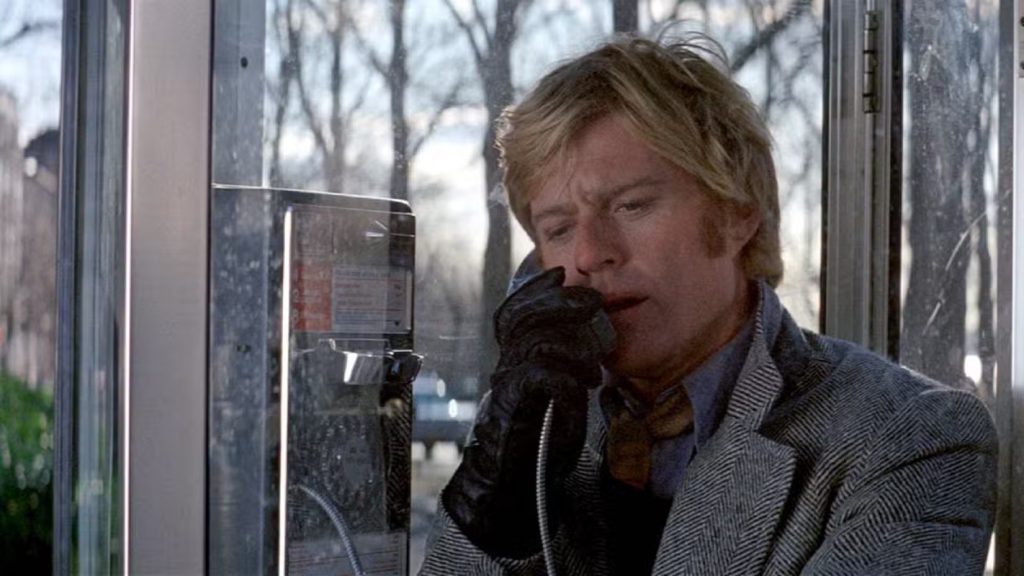
How many film actors can you say that about now? When industry experts despair that there are no movie stars anymore, this is the specific thing they’re talking about: that unlike the heyday of Redford, Newman, and Beatty, in which the industry was driven (and audiences were motivated) by the presence and participation of beloved actors, cinema today is all about intellectual property. Moviegoers don’t buy tickets based on who; they buy them based on what, a fact laid bare whenever, for example, a Marvel star tries to spread their actorly wings in a serious drama. (If we have a real “movie star” left, it appears to be Leonardo DiCaprio, whose films always turn a handsome profit despite his refusal to make sequels or IP plays.)
This turn to the safety (and tedium) of the status quo holds even more true when considering the legacy of Redford’s boosterism for independent film and filmmakers. He’s so readily identified with that realm of the art that “Sundance” — the film festival, institute, and general indie film resource named after his character in 1969’s Butch Cassidy and the Sundance Kid — has become the catch-all term for an entire approach to moviemaking. But he didn’t set out to conquer the off-Hollywood space. The moves he made towards improving the art were impactful, but small: starting the non-profit Sundance Institute to encourage and support independent artists, establishing the Sundance Film Festival to spotlight new and exciting works, building the Sundance Labs to provide resources and workshops. Each built off the other, an ecosystem for development, production and exhibition, but again, timing was the key; when Sundance began building its reputation for excellence in the late 1980s, the film industry, though a Goliath, was still scattered and amorphous enough for a David like Redford to come along and knock it off-balance. Today, the entity we place under the umbrella of “Hollywood” is so consolidated and monopolized that it’s hard to imagine a single figure disrupting it.
But Redford wasn’t only beloved as a movie star and indie force; he was also unapologetic in his activism, particularly his hobby horse of environmental awareness and preservation. His was a generation that was willing to speak out forcefully about their political views, even when it was unpopular — a choice that may seem easy or even calculated from our vantage point, after decades of conservatives sneering at “limousine liberals” from leftist Hollywood. But Redford, Jane Fonda, and their contemporaries were all old enough to remember McCarthyism and the House Un-American Activities Committee, and to have known people who were blacklisted from the industry in that era. It was a risk to speak out for what one believed in, and they took that risk.
These days, it feels like celebrities are much more timid about their activism than Redford and his generation; the rise of right-wing media makes celebrities easier to single out for blowback and ire, and the aforementioned consolidation of mass media, often under conservative leadership, can cause outspoken celebrities to hold back. But that might be changing. The stakes seem to rise on a daily basis, with the safety of our neighbors, the lives of our fellow global citizens and the founding principles of our democracy on the line, and celebrities are speaking out, consequences be damned. And maybe, hopefully, that will be Redford’s ultimate, and most valuable, legacy.