Kimber Myers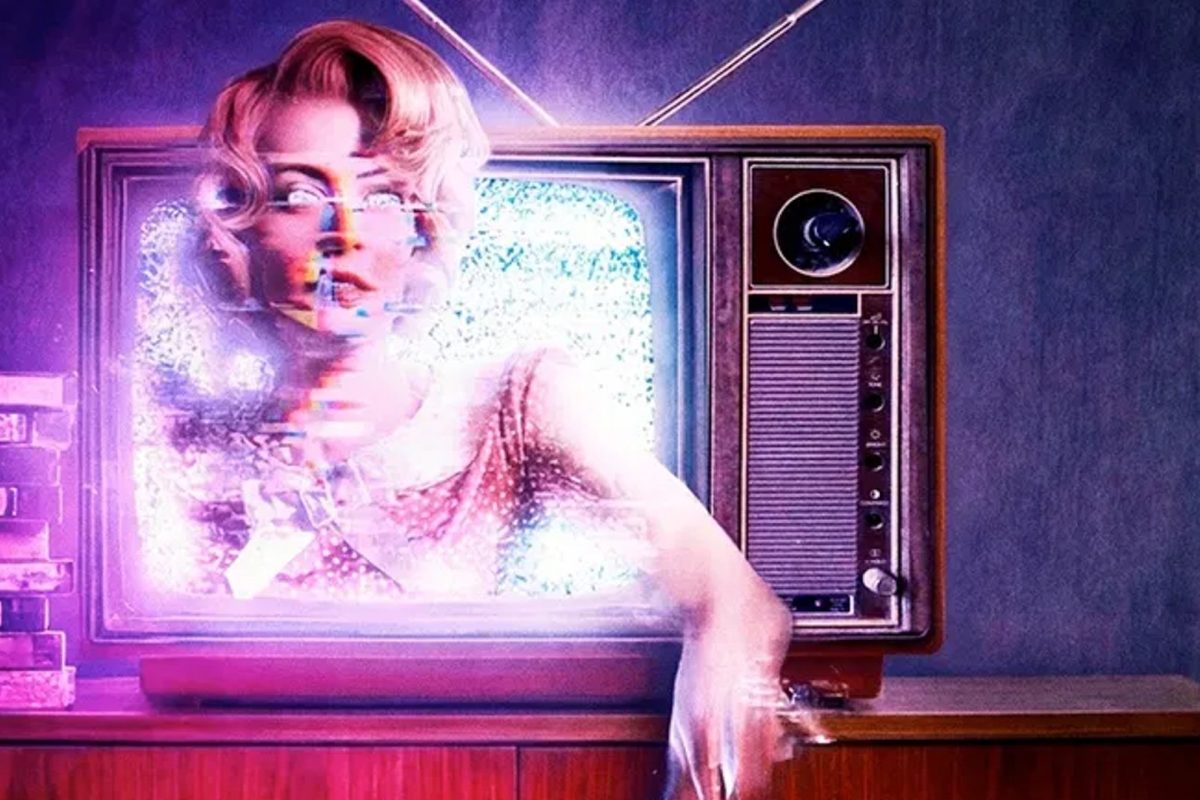
As much a celebration as an education, 1000 Women in Horror examines the pivotal role women have played in the genre since its inception on screen. Based on Alexandra Heller-Nicholas’s book of the same name, this entertaining documentary features talking-head interviews and film clips that highlight female filmmakers, actresses, and fans as well as how women can be either predators or prey. The movie isn’t as revolutionary as women have been for horror in either its construction or its content, but it will serve as an engaging primer for those who want to expand their knowledge of the genre. Yet it does more than scratch the surface of horror, and some of the lesser-known movies it references will help grow the watchlists of the creepy cognoscenti who are looking for some deeper cuts.
In addition to writing the source material, Heller-Nicholas also serves as the screenwriter, and she structures the doc with sections that largely follow women’s lives: “Girlhood,” “School Years,” “Pregnancy and Motherhood,””Aging,” etc. It wraps up with “Conclusion,” which feels a bit more suited to an academic text than a movie that finds its streaming home on horror favorite Shudder like this one. However, dividing it into these sections allows director Donna Davies to dive deeply into how women are represented on screen at different points in their lives. 1000 Women in Horror also explores a variety of themes that recur across these films, including the body, innocence, sexuality, and power. This doc is smart and thoughtful, but it’s also pretty fun, and gorehounds will be happy to know that it doesn’t skimp on the blood and guts in the scenes it shows.
The films it discusses are a varied bunch, ranging from canon like Carrie, Suspiria, and Bob Clark’s Black Christmas to more recent favorites like Jennifer’s Body, Midsommar, and Sophia Takal’s Black Christmas. 1000 Women in Horror doesn’t overlook global offerings, and there are movies here I’ve never heard of—and now want to track down. It also doesn’t preference any one subgenre, with something for everyone (well, at least every horror fan), including supernatural horror, horror comedy, and rape-revenge. The focus isn’t solely on critically acclaimed films or even ones that were generally well-regarded by audiences — but that’s part of the fun of exploring this genre, where often even the bad movies are a good time.
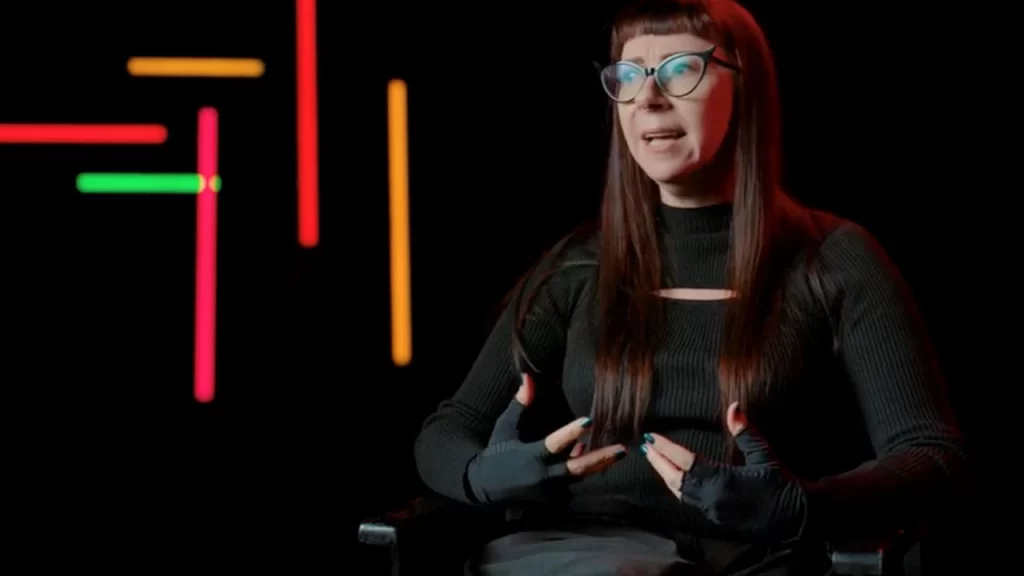
Davies doesn’t just take a wide-ranging approach in the films she features. She also includes a diverse set of voices, and not only those of straight, cis white women. There are bigger names in the genre like American Psycho director Mary Harron, Black Christmas writer April Wolfe, Hush actress Kate Siegel, Malignant and M3GAN scribe Akela Cooper, and Insidious queen Lin Shaye. Davies also showcases the indie filmmakers and their work, including Gigi Saul Guerrero (Bingo Hell), Toby Poser (Hellbender), and Nikyatu Jusu (Nanny).
If you don’t go to too many horror films in theaters, it’s easy to think of the genre as a space solely for dudes, both in terms of who’s making the movies and who is watching them. However, 1000 Women in Horror clearly establishes how essential women have been behind and in front of the camera—and in the seats watching the screen in the dark. It isn’t afraid of treating what is sometimes wrongly seen as a brainless genre with intelligence, exploring gender representation and larger themes while retaining a sense of humor.
B-
“1000 Women in Horror” streams Friday on Shudder.