Audrey Fox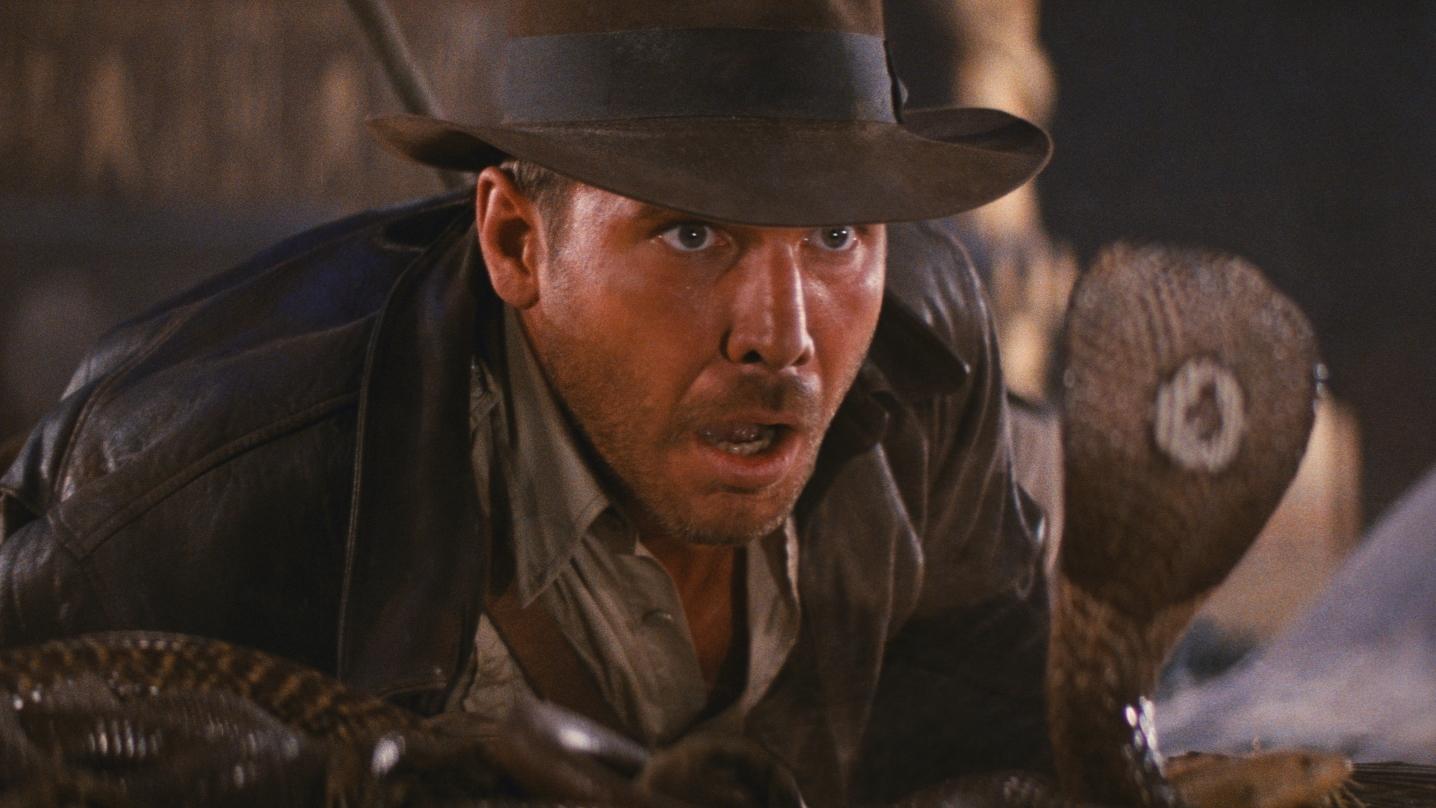
Any good filmmaker tends to have, at minimum, a genuine love of the movies, and their work is unavoidably influenced by their formative cinematic experiences. Where would Tarantino’s career be, for example, without his job at a video store as a teenager, giving him an almost annoyingly robust wealth of movie knowledge to reference in all of his projects? And for directors like George Lucas and Steven Spielberg, movie serials from the 1930s were a childhood delight, and their earliest exposure to the magic of filmmaking. Both would cite serials as a major influence on some of their most successful films, and the Indiana Jones series is a direct homage to the action-packed, exotic serials they grew up watching.
Today, the impact of these serials would seem largely relegated to this type of homage. But they occupy a much more significant position in the history of modern entertainment than most audiences would realize. They stand at the crossroads between weekly episodic radio programs on one side, and television on the other. Although episodics have for the most part transferred to the small screen, there’s still an obvious attraction to serialized storytelling in cinema, as evinced by the popularity of film franchises and even entire cinematic universes. The movie serial hasn’t died; it’s simply evolving.
Movie serials date back to almost the very beginning of film itself. Many early American serials from the 1910s centered on alliterative women in danger, such as The Perils of Pauline, The Exploits of Elaine, and The Hazards of Helen, all released in 1914. Other serials would span different genres, from crime thrillers to action adventures to westerns. Back when a traditional matinee meant a full afternoon at the movies, it was not unusual for audiences to settle in for several newsreels and animated shorts, the weekly installment of a popular serial, and one or two feature-length films. Although serials grew less profitable as costs increased with the advent of sound, a handful of studios maintained their production slate throughout the Great Depression and into the 1940s (namely Universal, Columbia, and Republic.) Audiences were drawn to the drama of the cliffhangers that would end each serial, and grew emotionally attached to the cast of recurring characters. Children were especially enamored with the action-packed storylines, exotic locales, and colorful characters of adventure serials. They were made cheaply, each episode lasting only about 20 minutes and featuring a strict formula that would see narrative elements repeated over and over again.
Although each studio had their own approach to the serial, varying slightly from their competitors, they would cultivate a shared style that would linger in the minds of viewers – especially children who would watch each weekly installment religiously. With clear tropes and visual cues, their influence on action-adventure films in particular is obvious. In George Lucas’s conception of Star Wars, we see a hybridization of science fiction from Flash Gordon and Buck Rogers, traditional western serials from the 1940s, and even the Universal opening crawl that dates back to 1938. When Spielberg made Raiders of the Lost Ark, both he and Lucas drew heavily on the traditions and stylistic elements seen in serials. The breakneck pacing, the penchant for ending each act with an exciting action set piece, the reliance on location shooting in Africa, Asia, and the Middle East, and of course, the daring hero who always manages to evade danger by the skin of his teeth: these all show the influence of movie serials.
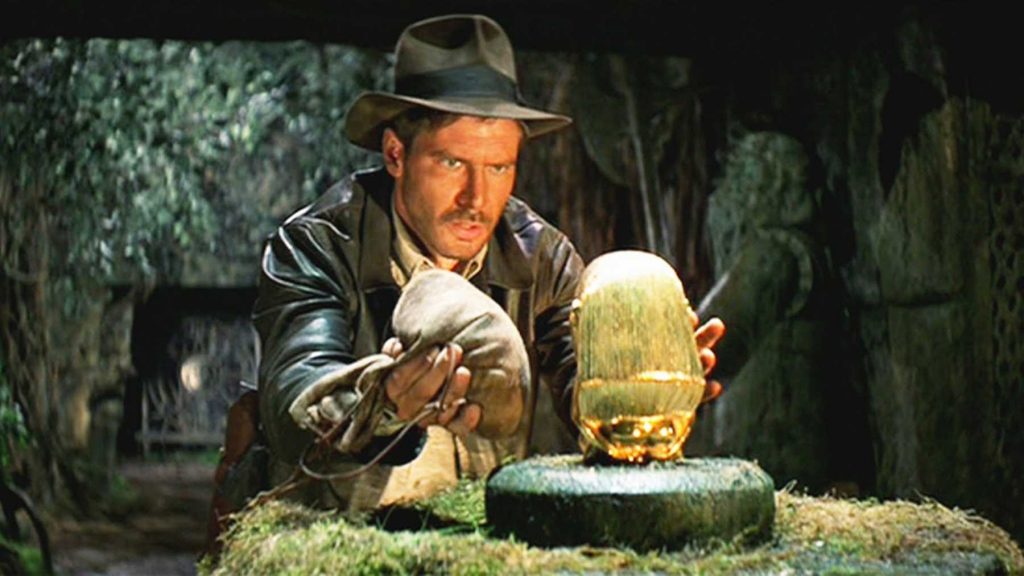
But beyond these tropes, there’s a certain expansiveness to the Indiana Jones universe that harkens back to the episodic storytelling of the 1930s and 1940s. Audiences get the sense that they’re watching just one in a series of many adventures that Indiana Jones will have off-screen, that his life as an adventurer began before we started watching the film and will continue after the credits roll. They’re getting a small taste of a larger world, and this feeling wets the appetite of audiences for more films, but also gives the filmmakers the freedom to focus on telling one largely self-contained story while still acknowledging the existence of a more expansive Indiana Jones universe.
Beyond the films that clearly pay homage to movie serials, there’s one other major arena in which they’ve had an impact on the film landscape: they taught audiences the joys of seeing a film they were emotionally invested in continue beyond the constraints of one single narrative. The hunger for more content featuring beloved characters would eventually lead to the development of film franchises, where popular productions would be given the opportunity for an encore. Sequels, prequels, spin-offs, and reboots are all the norm now rather than a novelty. The top ten highest grossing films of the 2010s at the domestic box office were all part of a larger franchise. Every single one. As studios become more aware of the incredible demand for their IP, they expand outward creating ever more avenues for content consumption. What are the MCU or the DCU or Star Wars if not serialized adventure stories?
The growing popularity of television in the 1950s made the earlier model of showing weekly serials in a movie theater no longer financially viable, and as a result, the movie serial essentially faded from the cultural landscape. But they live on in unexpected ways. As they were shown on many regional channels during the early days of television, they were introduced to new audiences, some of whom would grow up to become filmmakers, like George Lucas and Steven Spielberg. They established an entire cinematic language that would be replicated and referenced in countless adventure films, most famously Raiders of the Lost Ark. And they introduced audiences to long-form visual storytelling, giving them the opportunity to revisit familiar characters and narrative arcs on a regular basis. This would create a powerful emotional attachment, the potential of which would eventually lead studios to invest in the juggernaut cinematic franchises we see today.