Chloe Walker
The London Film Festival divides its program into broad thematic strands: Love, Laugh, Thrill, Cult, etc. It’s a reasonable enough way of sorting its panoply of offerings (this year, 169 features played), but it can lead to misleading expectations about the movies in question.
The most egregious example was Lali, about an arranged marriage gone horribly wrong, classified under ‘Laugh’. Sure, for the first half hour, it is primarily a comedy, beginning as it does with an animal relieving itself so volubly that it disrupts the whole wedding. After that, however, it spirals off into all sorts of other mystical and horrifying directions, all of them captivating and none of them funny. It was one of many features this year that demonstrated the best movies are often the hardest to categorize.
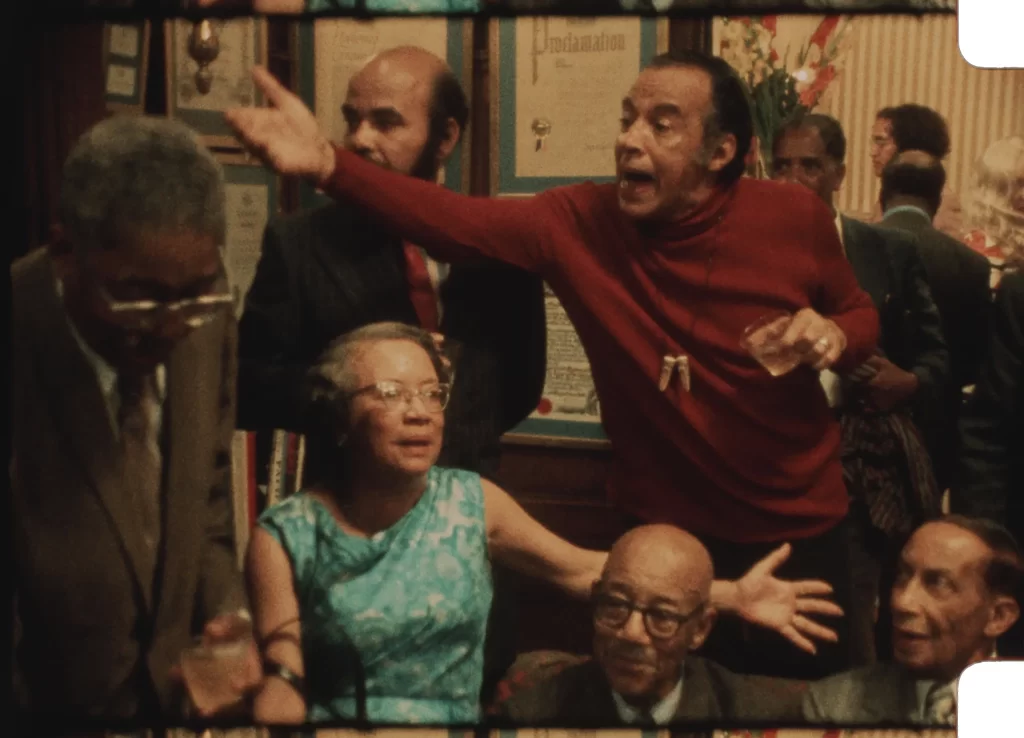
If you can’t help yourself though, I can offer some more accurate taxonomical suggestions. A standout theme from this edition of the festival: the location is the main character. Concrete Turned to Sand tracks oyster farmers working on a small island off British Columbia. While atmospherically shot by Backrooms DP Jeremy Cox, that it is so much more interested in the environs than the people who populate them makes the glacially-paced documentary a challenge. More engaging was South Africa’s Oscar entry Variations on a Theme. In a series of sequences that structurally echo each other, it tracks daily life in the municipality of Kamiesberg, where the citizens all fell for a scam artist and are waiting for a payout that will never come. Let Them Be Seen offers an evocative documentary portrait of another small South African locale, the village of Tapoleng, through an eclectic tapestry of footage that proves more than the sum of its parts.
A category which boasted two of my favourites this year was cross-generational stories with Sundance vibes – in fact one, the endearing mother-son road trip tale Hot Water, played the festival in January and has already had a limited release in the US. The other, Flies, sees a little boy melt the icy heart of the woman begrudgingly letting him stay with her while his mother is in the hospital. Although it sounds a schmaltzy set-up, the specificity of the Mexico City milieu and the irrepressibly alive performance of young Bastián Escobar makes the emotions feel well-earned rather than wrenched out of you.
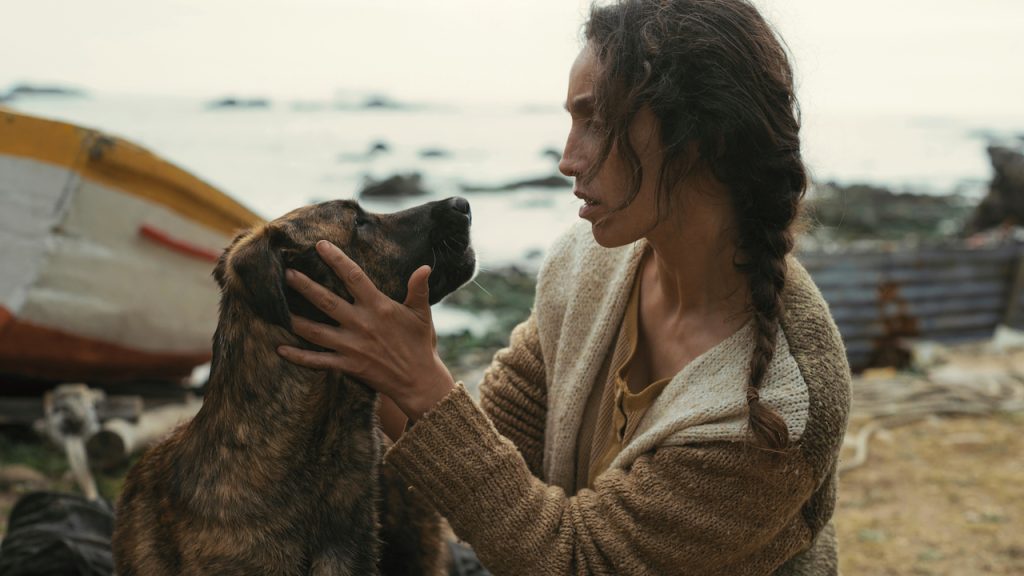
Coming at the end of the festival season, LFF is never overflowing with headline-grabbing world premieres, but the smaller ones are often worth catching. I especially enjoyed two, both titled for the pets they are centered on: Koschka, a charming German kids movie about a boy who’s adopted by a cat, and Prince, a pacy, comic Uruguayan thriller about a show dog who finds himself in peril when he becomes the center of an inheritance feud between his owner’s greedy relatives. However, the best animal-related film I saw (and winner of the Palme D’og at Cannes) was La Perra, Dominga Sotomayor’s tale of trauma and isolation set on the stunning Santa Maria Island, off the coast of Chile. I’m still not sure what I think about the ambiguous ending, but it’s certainly a rich one to mull over.
Perhaps this year’s bleakest theme was Palestinian films about the struggle for survival. Abdallah Al-Khatib’s Chronicles From The Siege debuted back in Berlin, three days after Wim Wenders made his infamous remarks against political filmmaking. Al-Khatib’s movie is kaleidoscopic in the picture it paints of life under siege, finding room for a poignant section set in an old video rental store with a heartbreaking nod to The Shawshank Redemption, a bawdy sex comedy, and a segment set in a hospital which plays out like if The Pitt was shot in hell. The mastery of tone is astounding. Asmahan Bkerat’s documentary Concrete Land, which follows a Palestinian Bedouin family living in Jordan, also deftly manages different modes, defiantly showing how joy is still possible in the most precarious of circumstances; if LFF had a Cannes-esque prize for best animal, extravagantly-coiffed Badrya the sheep would be in the running. Nevertheless, the ever-troubled face of the family’s eldest daughter Eman, as she silently watches her parents and grandparents discuss their life-altering next moves, is the note that lingers here.
Other political films in the program were a mixed bag. Rebellion, a British documentary about the Bradford 12, gets so weighed down by over-contextualisation it doesn’t begin discussing the case in question until more than halfway through the run time. The Afghan No Good Men becomes a compelling political thriller after Joe Biden makes a surprise cameo, but the spiky rom-com it had been until that point is muddled and didactic. In The Station, Sara Ishaq uses “a parallel world” to wrenchingly portray the difficulties faced by Yemeni women surrounded by constant conflict. Marie Madeleine grounds its passionate state-of-the-nation address on Haiti’s attitude towards the church and LGBT rights in the warmly ambiguous relationship between a female sex worker and the son of a rabid preacher. Sensual and ever-shifting, Gessica Généus’s sophomore feature wrongfooted me several times over its duration, and I was grateful for it.
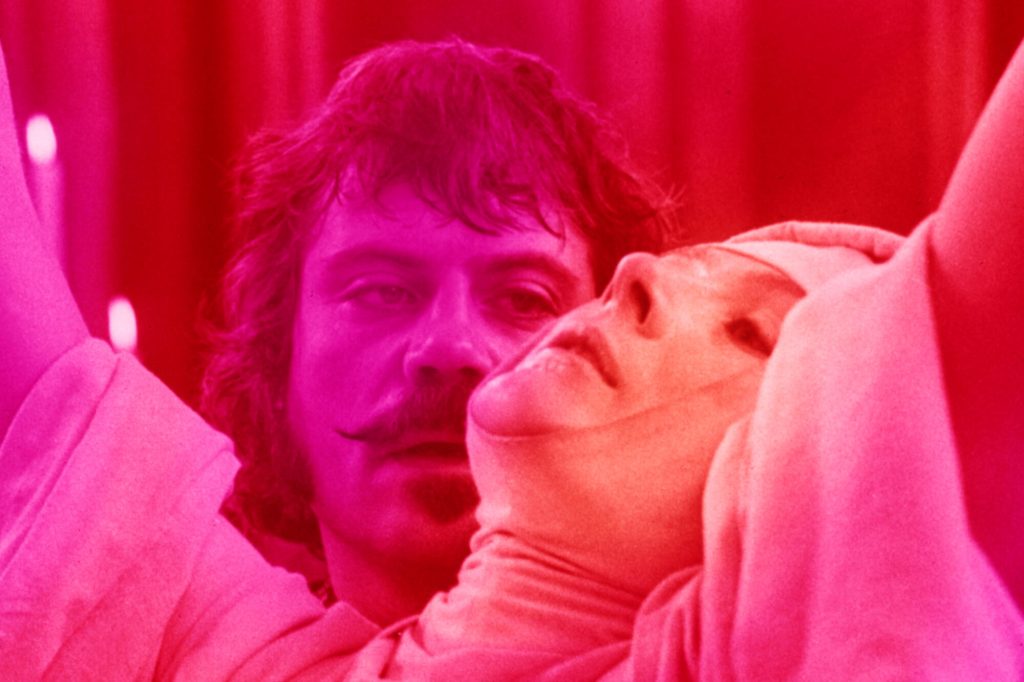
Of course, to be so wrongfooted is not always a good thing. For three quarters of its running time, The Echo Chamber, based on the final unfinished screenplay of Bernardo Bertolucci, is a handsomely-lensed romance between Alicia Vikander and Luca Marinelli,set entirely inside a London studio apartment. Although the pace is a little too slow, and the dialogue sometimes laughably pretentious, it weaves a memorable atmosphere and includes an appealing supporting turn from Susan Sarandon as the smoky-voiced singer record producer Marinelli has lured out of retirement. Just as the narrative should have been wrapping up, however, a shocking event happens offscreen and out of nowhere. The intention behind it is so hard to fathom, and results in a final scene so uncomfortable, I’m not surprised there was laughter at the Venice premiere at the audience member who sighed with relief when it was all over.
Happily there were far more welcome surprises than unwelcome at this year’s LFF. Another unexpected thematic pairing was women visiting other realms. In Lili Horvát’s My Notes From Mars, an astrophysicist disappears on a hike one day. When she returns, uninjured and with no memory of where she’d been, her husband is confused at her complete change in personality. A lack in chemistry between Mackenzie Davis and Rupert Friend means their odd romance never quite reaches the stratosphere, but Davis is excellent in the various modes she’s asked to play, and the graceful treatment of their complicated relationship pays dividends by the close.
In a similar yet more successful vein, my top film of the festival was Jacqueline Lentzou’s A Day In The Life of Jo: Chapter Phaedra, which reminded me simultaneously of What Do We See When We Look At The Sky?, Twin Peaks: The Return, and It’s A Wonderful Life, while being entirely its own thing. It combines an intimate coming-of-age movie with a study of grief that spans multiple planes of existence to such dizzying effect, it left me dazed for the rest of the day. Lentzou’s film was in the ‘Dare’ category, and considering the amount it achieves both emotionally and formally in less than 90 minutes, I had no complaints there.