Max Borg
Since 2024, Ehsan Khoshbakht, an Iranian curator based in London, has been in charge of programming the retrospective at the Locarno Film Festival, bringing to Switzerland the same vision he deploys as one of the directors of Il Cinema Ritrovato in Bologna: a look back on American and British cinema of decades past (specifically the 1930s, ‘40s and ‘50s), generally through its more unsung filmmakers. In fact, Khoshbakht has stated, when introducing those programs to the public, he is interested in directors whose careers were halted for one reason or another. That notion reached its climax with the 2026 Locarno retrospective: “Red & Black – Hollywood Left and the Blacklist.”
Per the name, the program dealt with two separate yet connected strands of films: works sympathetic to left-wing causes, and titles that, via either content or cast/crew, were tied to paranoia that led to people losing their jobs over allegations of communist leanings. The latter atmosphere is not too dissimilar from what has been happening in the film industry in recent months: there’s been talk of Paramount planning to effectively blacklist actors who have been vocally critical of Israel (and the studio released Scream 7 – extensively reworked after Melissa Barrera was removed because of pro-Palestine social media posts – earlier this year), while in France, Canal+ floated the idea of no longer funding films made by people who have vocally protested the excessive media influence of billionaire Vincent Bolloré, the majority shareholder of the channel’s parent company.
Khoshbakht acknowledged the topicality of the retrospective in interviews with local press, as well as on stage at the GranRex while introducing the inaugural screening on August 5. More precisely, the curator stressed how he wished the program was less relevant to the times we’re living in, evoking the recent congressional hearings where Anthony Fauci was questioned regarding his pandemic-era strategies and recommendations. Those hearings found politicians resorting to tones that felt uncomfortably like déjà vu from when McCarthyism targeted film workers, forcing blacklisted individuals to find projects abroad or, in the case of screenwriters (the so-called Hollywood Ten), resort to pseudonyms – which sometimes still makes it difficult to assess whether the people in question actually did work on a given title.
The most fascinating aspect of the selection – which included vintage newsreels, seldom screened internationally, and modern documentaries dealing with the topic of the blacklist – was how thoroughly it delved into the era, capturing all sides and nuances of those decades. Rather than just highlighting the people who were turned into martyrs as a result of government persecution, Khoshbakht also selected titles explicitly tied to the people perceived as traitors. As a result, one of the most popular screenings was On the Waterfront, famously regarded as Elia Kazan’s act of redemption after he named names before the House Un-American Activities Committee in 1952, an action that would haunt him for the rest of his life, and beyond – in March of this year, Amy Madigan was asked about when she and her husband Ed Harris refused to applaud when Kazan received an honorary Oscar in 1999.
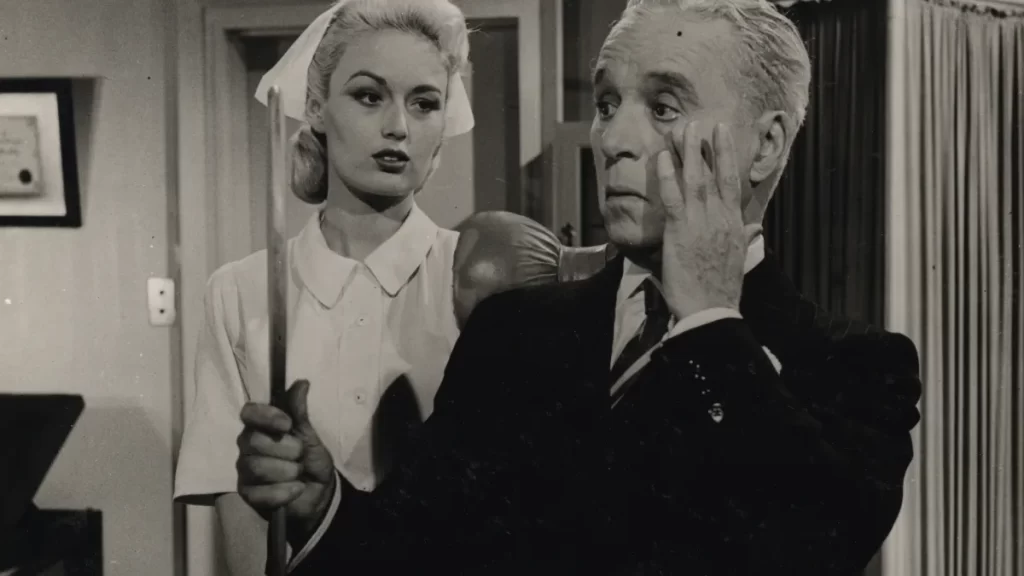
Similarly well attended – sold out, in fact – was the screening of Charlie Chaplin’s A King in New York, although that was hardly a surprise given the director’s strong ties to Switzerland: when he made the film, he’d already relocated to the French-speaking town of Corsier-sur-Vevey, where he spent the remainder of his years after his right to re-enter the United States was rescinded due to accusations of communist sympathies. His fraught relationship with U.S. politics was a key thematic component of the movie, which led to it not receiving a release in the country until 1972, nearly two decades after its original premiere.
Other famous names populated the program, although, true to form, Khoshbakht made a point of screening lesser known works by established directors, as he had already done in 2024 with the selection celebrating Columbia Pictures’ centenary. As such, many people in attendance, including yours truly, were treated to a rare screening of Michael Curtiz’s 1943 film Mission to Moscow – a pro-Soviet piece commissioned by Franklin Roosevelt himself, now practically invisible even to the most ardent Curtiz completists. A similar vibe accompanied the closing event, John Huston’s pro-Cuba title We Were Strangers, which basically vanished from worldwide circulation after it flopped both critically and commercially in 1949.
That screening was accompanied by the curator’s final thoughts on the program’s ties to current events, with an explicit wish and hope for common sense to prevail sooner rather than later as far as the latest political developments are concerned – a sentiment shared by the GranRex audience, with thunderous applause as one last bout of emotional release after a ten-day trip to a not so pleasant past.