Audrey Fox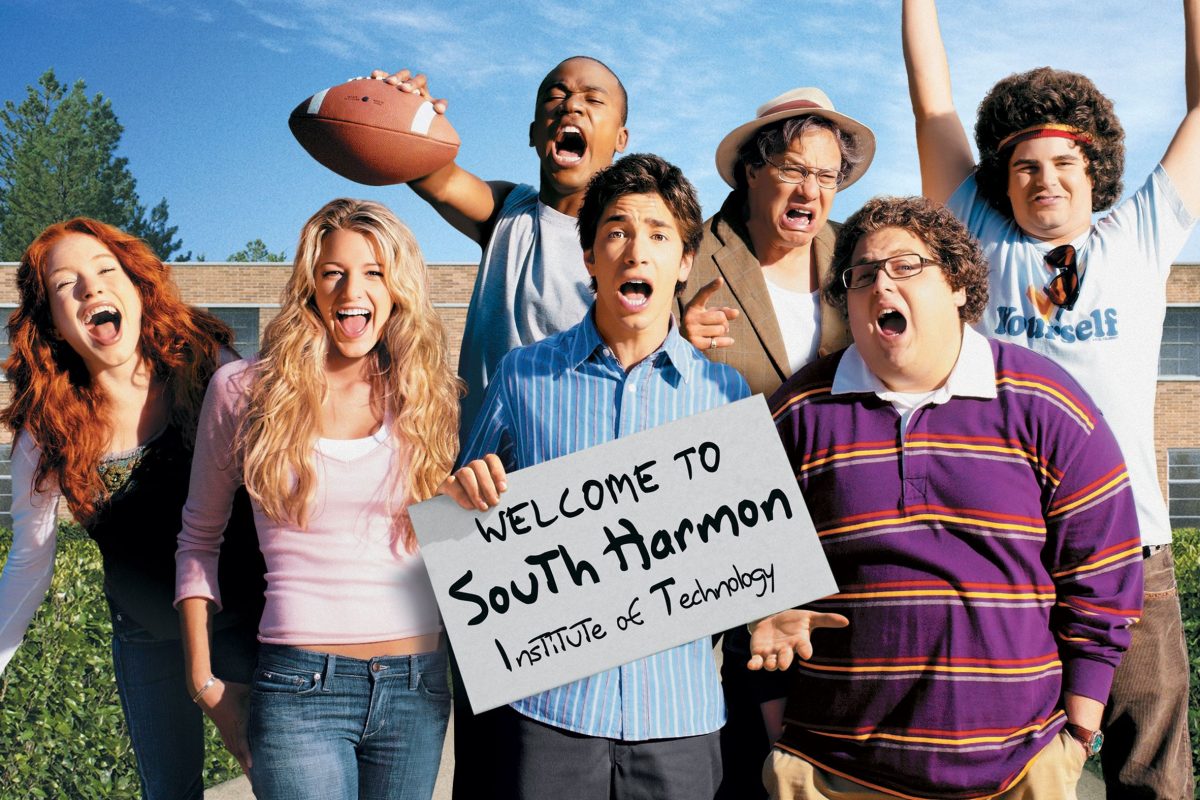
When Accepted first hit theaters back in 2006, audiences weren’t exactly impressed – and it didn’t help matters that it was almost immediately overshadowed by Superbad the following year. But whether or not the humor in the film holds up, it’s nonetheless a comedy that speaks to the role of college in the lives of millennials, then just coming of age. Calling it social satire might be giving it a little bit too much credit (after all, it does feature Jonah Hill in a hot dog costume begging passersby to ask him about his weiner), but its overarching plotline captures a growing questioning of the institution itself.
Bartleby Gaines (Justin Long) is a chronic underachiever who finds himself in a bit of a pickle when he’s unable to get into any of the colleges he applied to. His well-intentioned parents expect him to get a degree, and rather than disappoint him, he makes the somewhat impulsive decision to simply invent a college experience. It starts small, with forging a letterhead and university website, but before long, he’s got a new problem on his hands. Other kids, equally crushed under the weight of their parents’ expectations, learn about the fictitious South Harmon Institute of Technology, and Bartleby doesn’t have the heart to reject them. Soon, he’s essentially running his very own university – albeit with a few unconventional electives. What South Harmon Institute of Technology ends up being is an alternative approach to education, even if Bartleby basically moonwalks into it.
The thing that immediately stands out about Accepted and the millennial experience is how deeply rooted the pressure to go to university is, so much so that it leads this ragtag group of teens to build a college fantasy for their parents. We were all taught the value of the degree, and our parents saw it as an essential step towards having a stable, middle-to-upper class lifestyle. (Most people under the age of 50 still have some chafing from having that rug pulled out from under us.) College is a rite of passage on the road to adulthood – but it’s not necessarily the right fit for everyone. The student body of South Harmon Institute of Technology is filled with kids who have endless potential, but who have been overlooked or discounted by the college system.
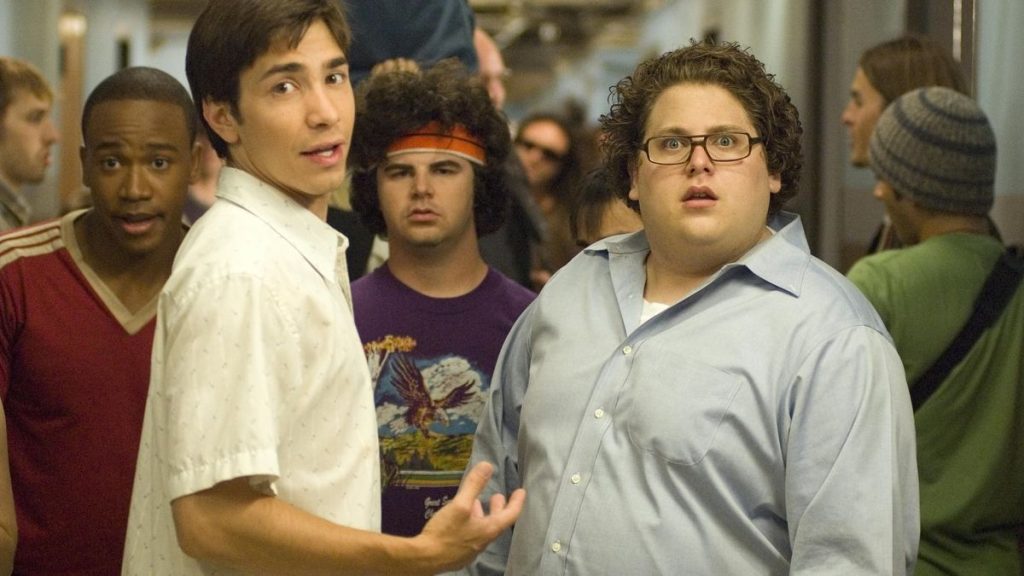
We know the value that society places on a college education. And while learning is always commendable, the larger structure of expensive universities saddling young adults with endless debts is worth questioning. The fact that in Accepted, these kids are able to pull together an approximation of an actual, functioning university speaks to the outsized value placed on these institutions. It doesn’t say that college itself is stupid, or that no one should go out and get a degree. Instead, it highlights the fact that college is aimed at 18-year-olds who have no clue what they’re going to want to do for the rest of their lives. And instead of going to college purely for college’s sake and accumulating a mountain of student loans in the process, kids should pursue the things that they’re passionate about – whether or not that falls into the traditional university structure. Maybe it’ll actually help them figure out what they’re good at, or what makes them happy, even if it involves trying to blow things up with their minds.
Whether it actually intended to or not, Accepted is a silly little comedy that exposes the first cracks in a system that had millennials by the throat after spending their entire lives being told that college was the key to a successful life. “You better go to college, unless you want to end up working at McDonalds,” was a common refrain. (Ironically, after we got our degrees and couldn’t find jobs in our field, we were criticized for being “too good” for retail and customer service roles – even though they’re the ones who told us we were!) Accepted came out in 2006, and just two years later, the Great Recession hit, changing the economic landscape for a generation of young adults just coming of age. Accepted may not have the intellectual tools to fully identify what it’s confronting, but at its heart is the beginning of a dam bursting, one we’re still reckoning with today. Is it one of the all-time great college sex comedies? Unfortunately, we have to say no. But as a piece of cultural history, it has unexpected value and hidden depths.
“Accepted” is available for digital rental or purchase.