Max Borg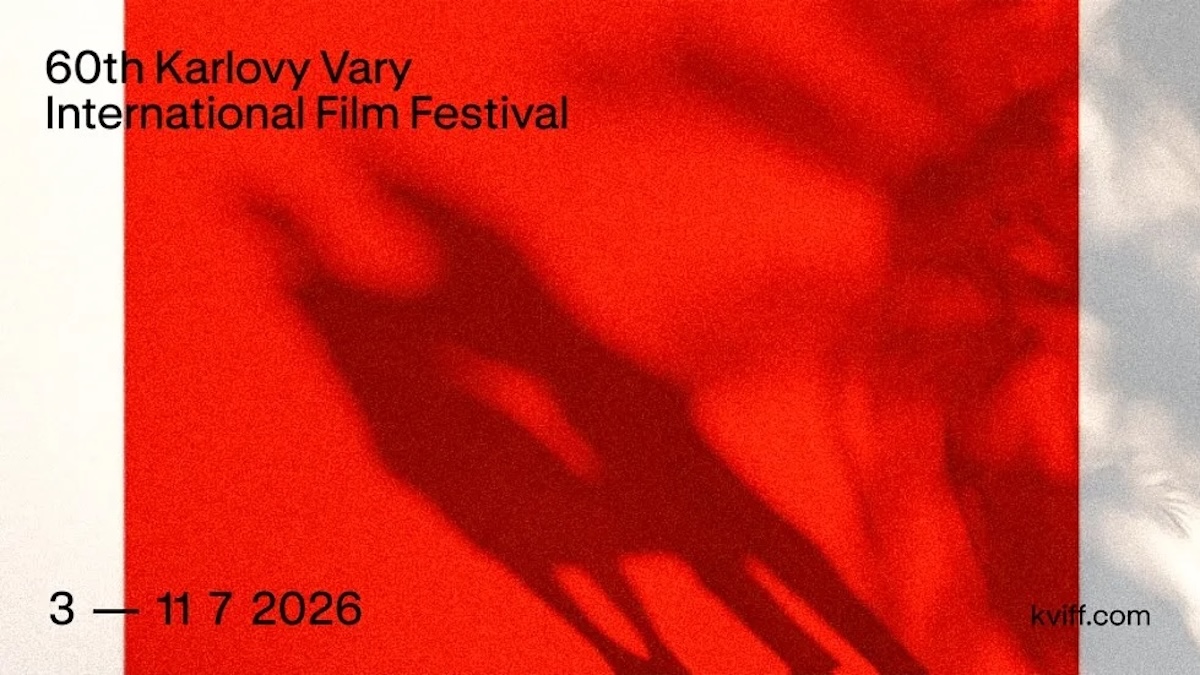
Every July, Karlovy Vary, a spa town in the heart of the Czech Republic, becomes a crucial meeting point for cinephiles and a key hub for Central and Eastern European cinema (it has also been an occasional filming location, most famously for the poker game scene in 2006’s Casino Royale, shot inside the Grand Hotel Pupp).. Established eight decades ago, the festival celebrated a dual milestone over the course of its 60th edition (between 1959 and 1993, the event was forced to alternate with the Moscow Film Festival), and did so in style. Specifically, the Out of the Past section, usually devoted to newly restored gems, was all about the movies that left a mark on the audience in previous years, and this writer greatly enjoyed the screening of the new 4K upgrade of Trainspotting. Sure, it helped that I basically know it by heart, since the subtitles were only in Czech and the Scottish accents can get a bit too thick, but it didn’t matter that much: as soon as Iggy Pop’s Lust for Life threw us into the frenzy of junkie life in Edinburgh, the vibe was one of collective joy, and the film, celebrating its 30th anniversary, has aged remarkably well.
The festival proper, taking advantage of its dates overlapping with the FIFA World Cup, kicked off proceedings with one of the sportier proposals from this year’s Cannes (outside of the competitive sections, Karlovy Vary’s lineup is largely a “best of” selection from the other major film events). That was The Match, a documentary that revisits the epic England-Argentina soccer game from 1986 and its ties to the complex relationship between the two countries. Impeccable archival work goes hand in hand with passionate insights from key players representing both teams. Another Cannes premiere making its way into the Czech Republic, Cantona also hit that sweet spot of riveting cinema for sports fans, this time via the career of Eric Cantona, who looks back on the highs and lows of his career with wit and honesty, in two languages (with the French portions being more intense on account of his Marseille accent).
The Crystal Globe Competition, which is the main competitive section, was a generally solid one, with a singular dud as far as I was concerned: Jan-Eric Mack’s A Happy Family, a Swiss drama about a woman resorting to unorthodox methods when her negligent parenting causes her to be legally kept away from her children. The film is well shot and acted, making great use of its locations between Zurich and Canton Wallis, but is also held back by a script that presents an increasingly implausible scenario, culminating in a genuinely baffling final stretch. Still, the jury was impressed enough to bestow the Best Actress upon leading lady Anna Schinz, who delivers compelling work even when the material she’s given stretches believability.
Great acting is at the center of another big winner, Mads Mengel’s The Guest, which went home with the Best Director trophy and the Special Jury Prize. A sort of a reversal of the premise of Festen (here, it’s a parent who embarrasses their adult children), this Danish comedy-drama gives Trine Dyrholm, one of Scandinavian acting’s crown jewels, plenty of dramatic meat to chew on as a troubled mother who wants to be part of her son’s life even though her presence might disrupt an otherwise joyous occasion. Funny and heartfelt, the movie highlights the special relationship that Karlovy Vary regularly maintains with Nordic cinema (as seen additionally in this year’s festival trailer, starring 2025’s guest of honor Stellan Skarsgård).
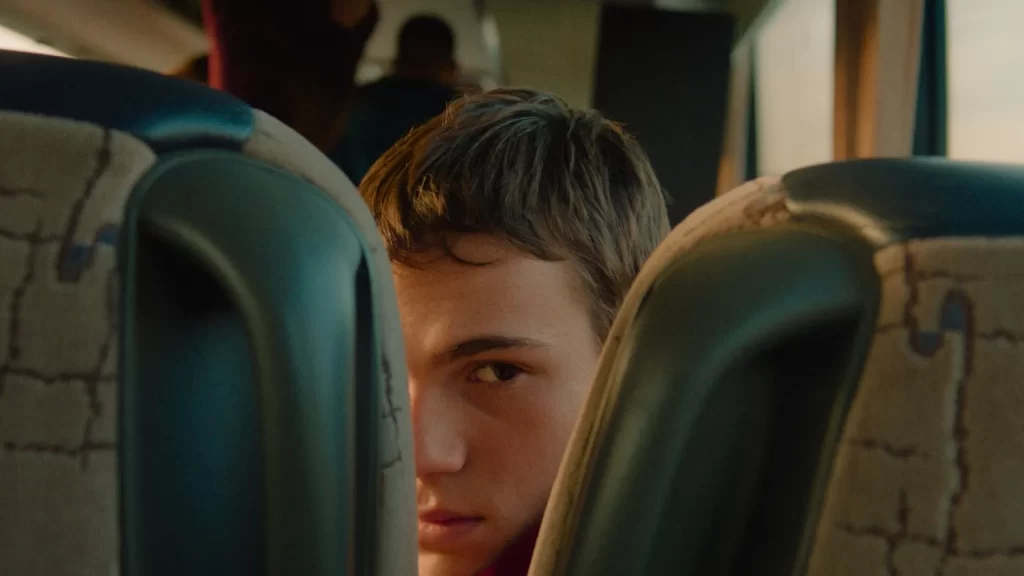
The Crystal Globe itself went to Fruit Gathering, a story of female friendship coming from Myanmar. A familiar tale of bonding in the context of far from ideal working conditions, it benefits from director Aung Phyoe’s handling of well-worn material and two solid central performances. Not included in the official list of winners, but awarded by other juries, was my personal favorite of the competition, the blistering Serbian drama 3 Weeks After. At the premiere, director Miroslav Terzic described it as a film he didn’t really want to do, but one that practically willed itself into existence after he met the mother of a teenager who had committed suicide due to bullying. A difficult but compelling watch, more horror than social drama (think the crueler bits in Carrie, minus the telekinesis), 3 Weeks After builds towards a wordlessly intense home stretch that will stay with me for a long time.
Another major topic, in keeping with the anniversary theme, was unsung heroes of the cinematic arts, with no less than three documentaries about behind-the-scenes figures playing in the Special Screenings. The weakest of them, while still enjoyable, was Ivan Ostrochovsky’s Igor and After, a portrait of Slovak cinematographer Igor Luther, best known for the 1979 Cannes winner The Tin Drum. Produced over a long period of time (Luther, who appears among the talking heads, acknowledges the cancer that eventually killed him in 2020), it’s a fun but frustrating watch due to its assumption that the viewer will already be familiar with the cinematic and historical context (none of the clips specify which films they’re taken from).
Cinematography is also at the center of Robert Richardson: The White Devil, a rich tribute to the award-winning collaborator of Martin Scorsese, Oliver Stone, and Quentin Tarantino. That it premiered in Karlovy Vary was largely due to the unique circumstances under which it was made: the documentary is, in fact, the culmination of a friendship between its director, the Czech filmmaker Jana Hojdova, and Richardson, a bond that came about when she took a chance and cold emailed him about her graduation project while she was still in film school. Completing the triptych was the very entertaining The Hanging of Stuart Cornfeld, about the producer of such classics as The Elephant Man and The Fly.
Looking behind the curtain led to an additional double bill, this time flirting with the various forms of the horror genre. Celebrating its international premiere in Karlovy Vary, Family Movie does what it says on the tin: written and directed by Kevin Bacon and Kyra Sedgwick, who also star alongside their children Sosie and Travis, it’s a gory comedy about the pitfalls of pursuing one’s dream, as a family stuck indulging the patriarch’s passion for low budget cinema on their farm in Texas suddenly has to deal with a very real dead body on the makeshift set.
And for my final visit to the festival’s appropriately named Grand Hall, I took the opportunity to catch up with another Cannes title I had missed on the Croisette: Jane Schoenbrun’s Teenage Sex and Death at Camp Miasma. Ostensibly more accessible than 2024’s I Saw the TV Glow on account of the catchy title, it’s actually more cerebral than one might assume: a meta slasher that is basically Sunset Boulevard crossed with Portrait of a Girl on Fire on the set of a Friday 13th rip-off, it may not be what the most avid gorehounds are craving. But it’s an endlessly fascinating deconstruction of genre tropes that also pokes fun at the nature of reboots and legacy sequels in a way that is perhaps particularly poignant in the year of something as infuriatingly compromised as Scream 7.