Craig D. Lindsey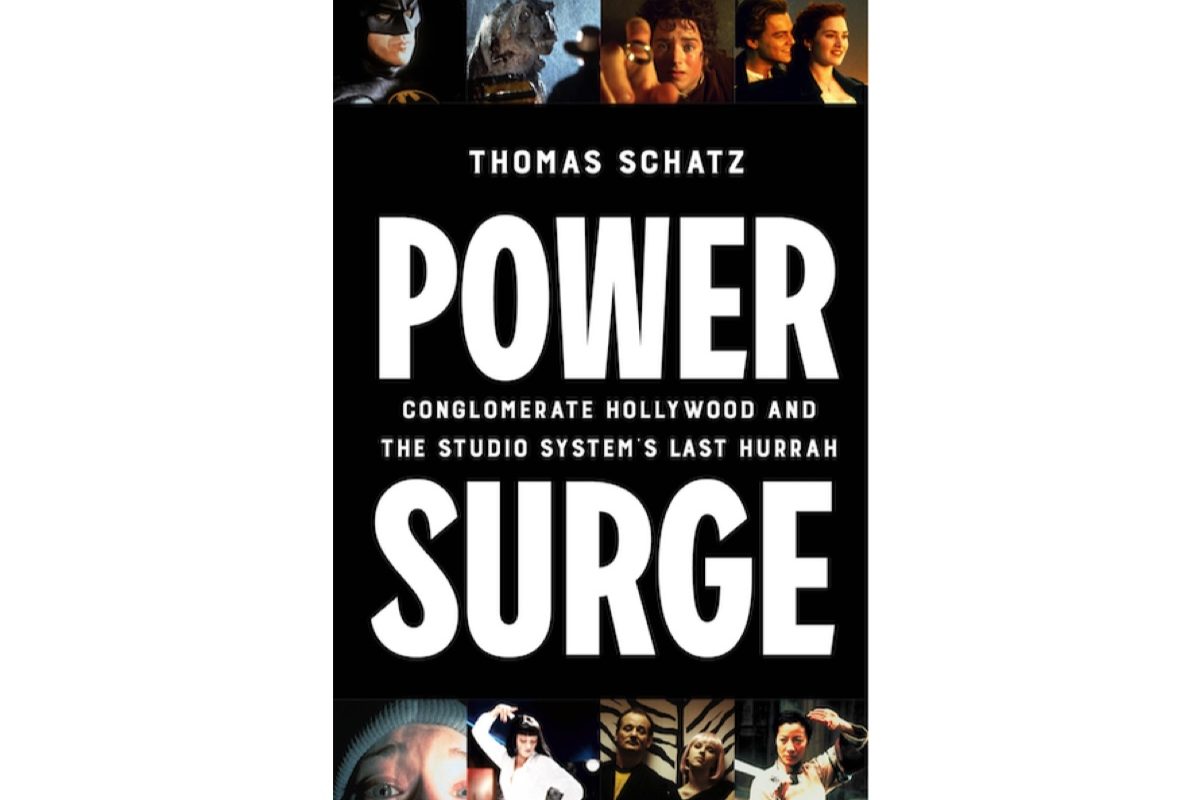
As someone who read Entertainment Weekly in my high school and college years — and actually anticipated its annual “Power Issue,” which listed the entertainment industry’s most powerful people — Power Surge: Conglomerate Hollywood and the Studio System’s Last Hurrah is a nostalgic trip down memory lane. For those who weren’t around then, it’s a lengthy primer on what led the movie industry to become so out-of-whack today.
All the major players from that era are present and accounted for: Ovitz, Diller, Katzenberg, that dirty muhfucka Weinstein, etc. It was a time when the industry’s movers and shakers were getting just as much press as the movies they greenlit. As various media empires began acquiring and/or merging with studios and film distributors, the higher-ups also leaned into crafting expensive blockbusters (and possible franchise launchers) that could make a lot of scratch domestically and globally — and, therefore, appease their corporate overlords. Former Warner Bros./Disney head Alan Horn bluntly summed it up with this quote: “Our job is to make money for our shareholders. We’re making mass entertainment for mass consumption.”
Surge takes you back to when it seemed like the film industry at least attempted to bring audiences spectacular but distinctive celluloid. Author Thomas Schatz (who chronicled previous eras of Hollywood with The Genius of the System and Boom and Bust) rounds up all the movie history from the years 1989 through 2004 — an era bookended by two daring, successful superhero movies (Tim Burton’s Batman and Sam Raimi’s Spider-Man 2, respectively) made by offbeat filmmakers.
Back in the day, as deregulation paved the way for massive corporate consolidation and the elimination of the “fin-syn” rules that prevented studios from making their own TV product, mergers and acquisitions in Tinseltown started becoming commonplace. The union of Warners and Time Inc. (aka Time Warner) got this ball rolling, followed by Japanese electronics giants Sony and Matsushita (better known as Panasonic) snapping up Columbia and Universal, respectively.
This also led to studios teaming up with inventive writers, producers, and directors in increasing the wow factor on their big-budget popcorn flicks. They let escapist whiz kids Steven Spielberg and James Cameron bring some technological advancements to their tentpoles, incorporating computer-generated elements that would open the floodgates for CGI-enhanced studio fare.
While the other studios learned how to work with the new bosses, Disney spent most of that time struggling to get their all-ages groove back. Even though they made an early ‘90s comeback run with such Oscar-winning hits as The Little Mermaid, Aladdin, and The Lion King, the infighting between honchos Jeffrey Katzenberg (who spearheaded that comeback run) and Michael Eisner forced Katzenberg to leave and launch DreamWorks with Spielberg and David Geffen. Eisner continued to make boneheaded moves like still relying on cel-animated films, even when a new company they partnered with — a little organization called Pixar — began outdoing The Mouse House with their computer-animated smashes.
But the major studios (and their conglomerate superiors) only make up half of the story. Schatz also documents the “Indiewood” industry that took off when distributors like New Line and Miramax (which was famously bought by Disney) became mini-majors, championing young enfant terribles like Quentin Tarantino and Paul Thomas Anderson and coming with low-budget cinema that crossed over to mainstream audiences. Studios also jumped on the indie bandwagon, starting up or acquiring their own arthouse wings and turning the lil’ ol’ Sundance Film Festival into a yearly, star-studded go-to spot for flicks that could get them clout and awards.
For the most part, Surge has Schatz mostly crunching numbers while recalling all the dick-swinging and corporate-raiding that went on during this now-golden age. He forgoes spilling any scandalous, well-documented tea; he briefly touches on Harvey Weinstein’s eventual, long-overdue downfall, focusing more on his power-mad ascension from indie savior to Oscar-craving menace.
While it would be salaciously entertaining to read about which out-of-control exec got a very public blowjob at a party (it was former New Line president Mike De Luca, BTW!), Surge is still a pretty thorough examination of the deals, triumphs, and disasters that were made during this age of event movies and prestige pics. Schatz closes things out in the mid-aughts, right when superhero movies were about to take over the blockbuster landscape. But he does end with a concerning epilogue that wraps up our current era of low-risk, four-quadrant moneymakers, continually recycled IP, streaming platforms keeping moviegoers at home, and — of course — studios getting taken over by conglomerates. Unfortunately, Hollywood is currently stuck with soulless moguls like the Two Davids — Ellison and Zaslav — bottom-line grinches who make Rupert Murdoch look like a man of the people.
It’s wild how this year has had big-budgeted (and actually decent) summer flicks The Odyssey and Spider-Man: Brand New Day gross billions at the box office, while low-budget, Gen-Z horror shows Obsession and Backrooms become runaway global sensations, each grossing over $300 million. It takes me back to the glory days Schatz captures in Power Surge, when big and small studios released movies that were worth your time — and the companies who bought them weren’t trying to fuck up that formula.
“Power Surge: Conglomerate Hollywood and the Studio System’s Last Hurrah” is out now.