Craig J. Clark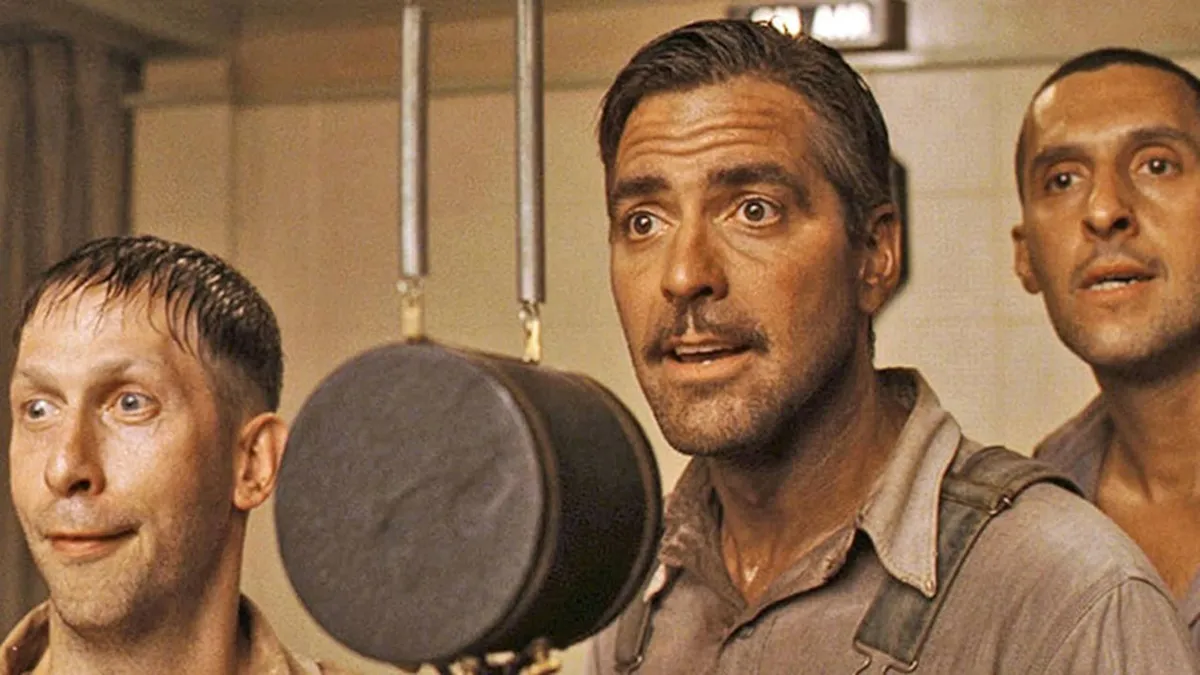
Due to its epic nature, adaptations of Homer’s The Odyssey tend to be on the lengthy side themselves. The Italian version from 1968, which was partially directed by Mario Bava, ran to 400 minutes and was shown as an eight-episode television series. Hallmark Entertainment’s 1997 take was a two-part miniseries with a three-hour running time. That’s roughly the same as Christopher Nolan’s impending feature, which looks to be more comprehensive than, say, 1954’s Ulysses, which starred Kirk Douglas and came in at a comparatively lean 100 minutes, or 2024’s The Return starring Ralph Fiennes, which is just under two hours. (There’s also a nine-minute silent from 1909 called The Return of Ulysses, which is the most abridged of all.)
Then there is the approach of Ethan and Joel Coen, who based the script for their 2000 feature O Brother, Where Art Thou? on The Odyssey in only the loosest sense. (That they were nominated in the Best Adapted Screenplay category at the Oscars was a cosmic joke akin to the time their joint film editor pseudonym Roderick Jaynes received a nod for Fargo a few years earlier.) A grab-bag affair, O Brother lifts its title from the serious drama the title character in Preston Sturges’s Sullivan’s Travels wants to make, and it incorporates elements from Homer’s epic poem into its story of three escaped convicts in search of treasure in Depression-era Mississippi – and one who wants to get home in time to prevent his estranged ex from remarrying.
The idea was batted around by the Coens during the promotion of The Big Lebowski when interviewers asked what they wanted to do next. “We thought of doing an American version of The Odyssey,” Ethan told Total Film, “with a guy escaping from a chain gang, finding his way home.” Joel added, “That would be generically closer to what we’ve done a lot of. You know – a southern hayseed movie.” What was only “half-written” in 1998, though, came together quickly enough that they were premiering the film in competition at Cannes two years later.
At its center is Ulysses Everett McGill, a man with the gift of gab played by George Clooney (in his first of four roles for the Brothers) at his most garrulous. The de facto leader of the trio of cons, Everett (as he’s called) has his peculiarities, including a rigorous hair-care regimen requiring a particular brand of pomade. (He’s a Dapper Dan man through and through, unwilling to accept any substitutes.) Accompanying him are perpetual grouse Pete (Coen regular John Turturro, in his fourth role for them) and the endearingly dim Delmar (Tim Blake Nelson). Both are enticed by the $1.2 million in stolen money Everett claims to have stashed on his property, but as the blind man they encounter early on tells them, “You will find a fortune, though it will not be the fortune you seek.”

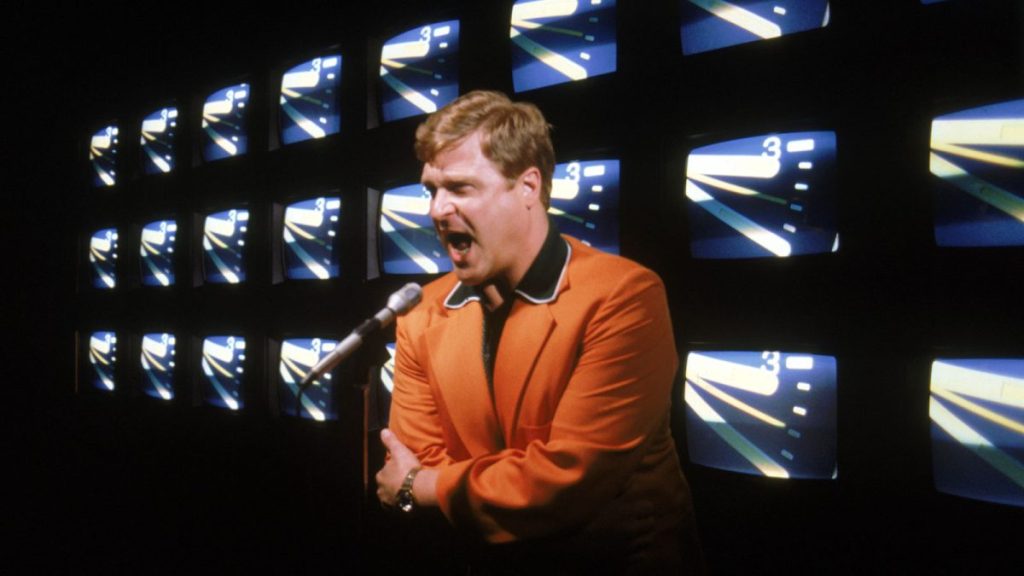
In addition to the Blind Seer, who correctly predicts they will “travel a long and difficult road, a road fraught with peril” and “see things wonderful to tell,” Everett, Pete, and Delmar cross paths with three seductive Sirens, a scheming Cyclops (in the guise of an eyepatch-sporting Bible salesman played by John Goodman), and Everett’s wife Penny (short for Penelope, naturally, and played by Holly Hunter). And that’s not to forget their seven daughters (one of whom was born during his incarceration) and her “bona fide” suitor. The Coens also pull from regional and contemporary folklore as our heroes pick up guitarist Tommy Johnson (Chris Thomas King) at the crossroads where he sold his soul to the Devil, are given a lift by manic-depressive bank robber George “Babyface” Nelson (Michael Badalucco), and crash the most tuneful Klan rally ever put on film. Oh, and along the way they record the traditional folk song “I Am a Man of Constant Sorrow” as the Soggy Bottom Boys and are an immediate crossover hit.
With their eighth feature, the Coen Brothers proved they could make a crowd-pleasing film without compromising their idiosyncratic vision. Expertly evoking the period with the aid of cinematographer Roger Deakins, their canny transposition of The Odyssey to rural Mississippi works because of the focus on Everett’s dogged pursuit of his goal. Even if his journey home doesn’t map one-to-one onto Ulysses’s, they pass enough of the same signposts along the way. Plus, with George Clooney’s charisma turned up to the max, O Brother’s appeal to a mass audience was undeniable.
Such was also the case with its soundtrack album, which went multi-platinum in short order and won the Grammy for Best Album of the Year. An appropriate outcome for a film suffused with music from top to bottom, much of it chosen by producer T Bone Burnett and performed by singers and musicians he recorded well before cameras rolled. In all its permutations, O Brother is about music bringing people together, both those performing it and those listening in the audience. The Soggy Bottom Boys – an integrated act at a time when that sort of thing was all but unthinkable – are so popular, in fact, they turn their adoring fans against the hatemongers who would seek to divide them. As utopian as that sounds, it’s a message that still resonates today. A little out of character for the Coens, perhaps, but they returned to Cannes with a film exploring the darker side of human nature the very next year.
“O Brother, Where Art Thou?” is streaming on the Criterion Channel in its “Odysseys” program.