Edwin Arnaudin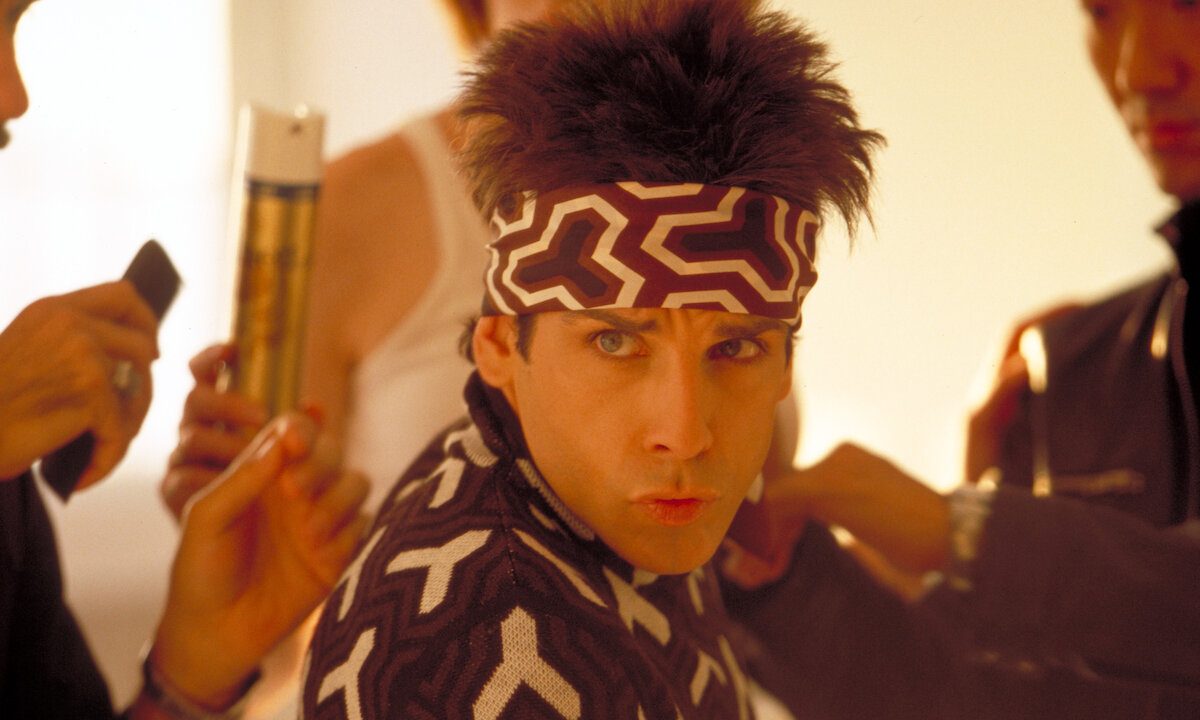
“We’re gonna try and feel our way through this, and we’ll just see how it goes; take it a day at a time.” — David Letterman, The Late Show opening monologue, 9/17/01
As is often the case in the wake of tragedies, it was difficult to know when a semblance or normalcy might return after the Sept. 11, 2001 terrorist attacks. While a period of mourning for those who died or were injured immediately followed, as well as immense gratitude for first responders and an initially invigorating and unifying (yet also suspicious) rah-rah patriotism, significant fear permeated those early days.
In addition to an elevated concern for the safety of our Muslim neighbors and immigrants in general, the potential for yet another war and a future where domestic attacks were the norm loomed over day-to-day life as those in the U.S. attempted to make sense of senseless violence.
Though the attacks weren’t forgotten, the initial sting gradually lessened. People got on with their lives and began reincorporating things that brought them joy. The return of late-night talk shows helped, beginning with the NYC-based Letterman’s emotional, warm, and reassuring opening monologue a mere six days later. Though laughs weren’t to be found in the host’s subsequent retaliation-centered discussion with Dan Rather, they arose fairly plentifully via chatting with second guest Regis Philbin, who also bluntly addressed the “appropriateness” of being back on the air and how it was necessary to help viewers heal.
While TV slowly provided escapism, options were noticeably slim at movie theaters. August respites such as Jay and Silent Bob Strike Back and Jeepers Creepers were fading out or gone, and new releases Hardball (released Sept. 14) and the crime against humanity known as Glitter (Sept. 21) felt like placeholders or contractual obligations — not signs of better days ahead.
Enter Zoolander, which arrived on screens a mere 17 days after 9/11. Despite fairly middling reviews and box-office — it finished second to the Michael Douglas psychological thriller Don’t Say a Word opening weekend and only plummeted from there — Ben Stiller’s film nevertheless offered a welcome distraction for numerous viewers while also serving as a subtle yet needed celebration of New York City. Set within the frivolous and easily-lampooned fashion industry, Zoolander continually grants opportunities to laugh at the ridiculous behavior of ridiculous people — the perfect target, especially at that time.
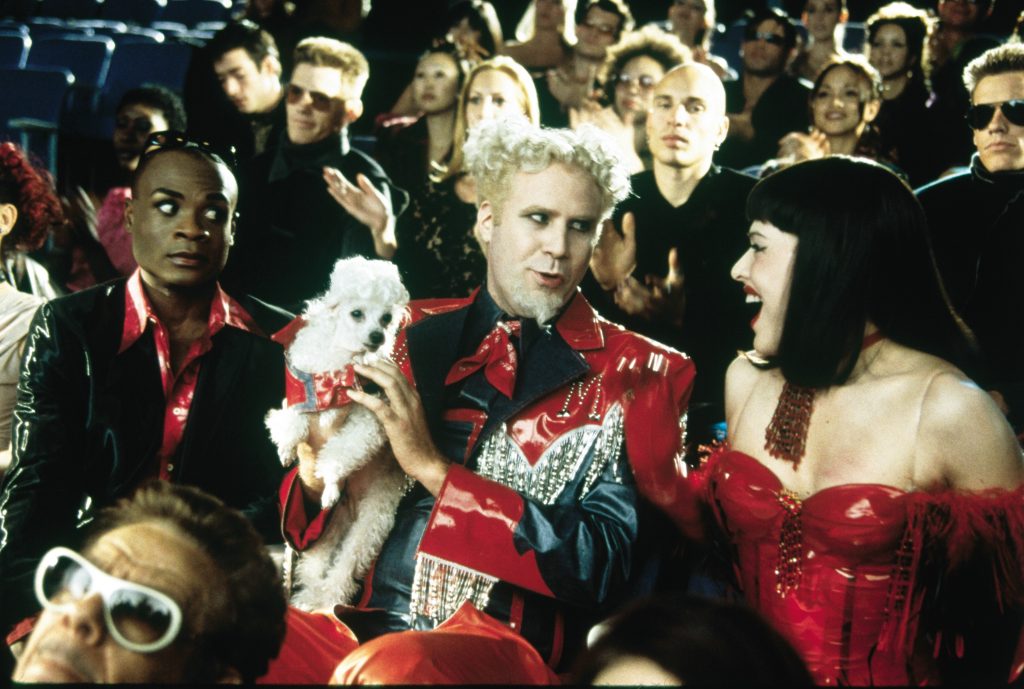
Prone to malapropisms and general poor decision-making, legendary male model Derek Zoolander (a fully committed Stiller) is about as dimwitted as a person can be. Those in his orbit enable his comically sheltered worldview while augmenting this culture’s overall hilarity with their own goofy personalities, yielding a steady stream of yuks over a brisk 80-plus minutes.
Along with Derek’s kooky antics, Zoolander provides one of the biggest platforms thus far for two actors who would soon define the decade’s so-called “Frat Pack” comedies. As Derek’s rival, the “so hot right now” Hansel, Owen Wilson excels at channeling new-age hipster nonsense, building on his promising early turn in Bottle Rocket and his small supporting role the previous year alongside Stiller in Meet the Parents.
And while Will Ferrell was a well-known entity from his work on Saturday Night Live in the mid-to-late ’90s, he’d yet to truly achieve movie stardom. With the evil fashion designer Jacobim Mugatu, Ferrell expanded his extreme weirdo comic talents to their most successful big-screen ends thus far, nearly stealing the film in the process and proving that he was finally ready for the next phase of his career. It all makes for pure, disposable entertainment, and while the underlying critique of the fashion industry’s reliance on foreign sweatshops is important, it’s cloaked in so much silliness that one can be forgiven for forgetting that it’s the central plot driver.
That it takes place in NYC, however, adds more complex emotional layers to the experience. Naturally, Zoolander’s Big Apple is not one in which its citizens are dealing with the trauma of shocking terrorist attacks and adjusting to a new, stressful existence. And, in many ways, it’s comforting to see a bustling Times Square and various Manhattan street shots — reminders of the way things were and how they hopefully could be again. Cameos from such City icons as David Bowie also make the film feel more grounded in its location, and even Mugatu’s Derelicte line — which he describes as “a fashion: a way of life inspired by the very homeless, the vagrants, the crack whores that make this wonderful city so unique” — is its own bizarrely loving tribute to NYC.
But it’s the handful of Manhattan skyline shots that most fully celebrate this grieving place and potentially trigger even the most prepared viewers. Testing the proverbial waters of how to approach depicting the World Trade Center on screen, Stiller digitally removed the Twin Towers, believing it was the appropriate decision at the time. Counter to the otherwise pre-9/11 world that the film presents, these visuals show NYC as it truly was in the aftermath, resulting in an overarching blend of melancholic optimism, harsh reality, and resilience of spirit which, for many people, was exactly what they needed 25 years ago.