Sean Burns
For those of us of a certain age, part of the coziness of Thanksgiving weekend was the annual James Bond marathon on cable television. I suppose the tradition has become another casualty of streaming and the atomization of mass culture. But for a while, one of the few things you could count on over the holiday – along with hearing “Alice’s Restaurant” on the radio before a boring football game — was dipping in and out of 007’s adventures. Bond pictures were especially well-suited for such broadcasts, the movies comfortingly similar enough that you could doze off in a tryptophan coma for long stretches without it mattering much which film was which. More than once I woke up from a couch nap to an entirely different actor playing 007 without missing a beat.
With everyone more stirred than shaken about Robert Pattinson stepping into the tuxedo of Ian Fleming’s apparently unkillable secret agent, it’s a good time to look back at a transition that didn’t go quite as well. The first time Sean Connery quit playing his signature role was after 1967’s You Only Live Twice, citing salary disputes and creative frustrations. (Yes, that was the one where Bond disguised himself as an Asian man. The makeup has aged about as well as you’d imagine.) Connery would later return for a dump truck full of money in 1971’s Diamonds Are Forever, and once more in 1983’s unofficial bootleg entry Never Say Never Again, the one in which instead of playing baccarat against the bad guy, Bond beats him at a video game.
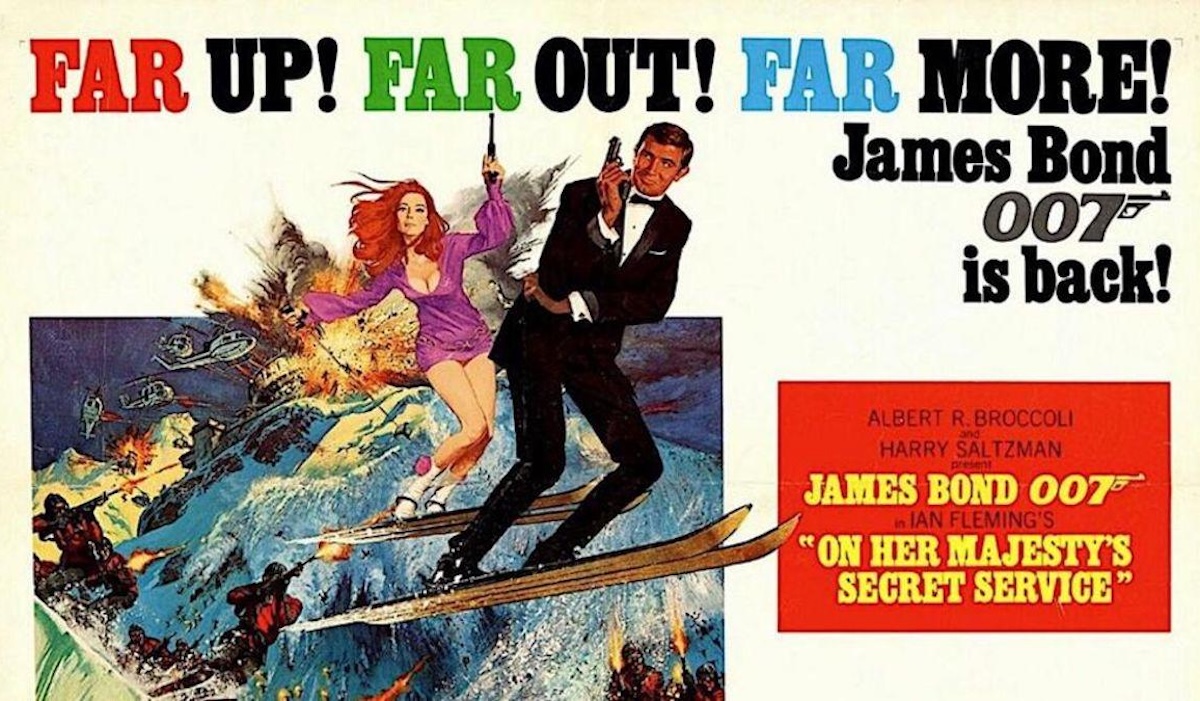
George Lazenby was an Australian model with no on-camera experience beyond a series of commercials for Fry’s chocolate bars. But according to legend, he met producer Albert “Cubby” Broccoli when they were getting haircuts at the same barbershop and that was enough to score him a screen test. Lazenby became a popular pub trivia answer and footnote to film history by being the only actor to play the character only once within the official series. (Sorry, but Woody Allen’s Jimmy Bond in the 1967 spoof Casino Royale doesn’t count.) Lazenby headlined 1969’s On Her Majesty’s Secret Service, the first of the franchise’s handovers and one of the series’ gutsiest, very best films. Everything about it is first-rate, except for the second-string guy in the lead.
The sixth entry was a bold re-set for the increasingly outlandish blockbuster franchise, bringing things (relatively) back down-to-earth and sticking closely to the Ian Fleming novel from which it took its title. Director Peter Hunt had edited all the previous Bond films and served as second unit director on the last three. He understood how to tell these stories in his bones, and On Her Majesty’s Secret Service is still one of the most luxuriously thrilling installments, with alpine ski chases so spectacular that Christopher Nolan stole one of them outright for Inception. Mike Myers also borrowed some of the costumes and the little German henchwoman for the first Austin Powers, which can admittedly be a bit of a stumbling block when watching the older film today.
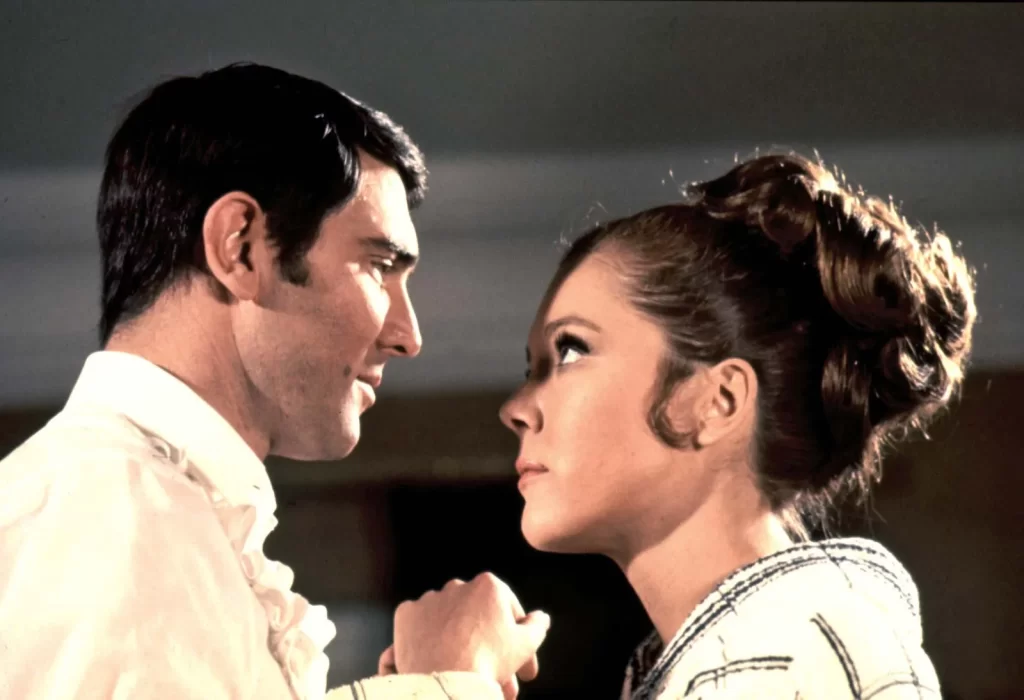
But not as big of a stumbling block as Lazenby, who isn’t terrible so much as just bland and visibly adrift. There’s a reason you don’t see a lot of massive productions handed to first-time actors and first-time directors in tandem. Hunt had a hell of an eye for action but little idea how to coax a performance out of a newcomer. A friend of mine in film school once told me that as a little kid he used to have dreams about seeing a version in which Sean Connery had starred, so that the best Bond was in the best Bond movie. But I’m not sure Connery’s louche cruelty would have worked for the way the character is written in On Her Majesty’s Secret Service. He’s a more vulnerable Bond, one who makes some dumb mistakes and seems genuinely outmatched by Telly Savalas’ Blofeld. Even while shagging his way across the Alps, our international man of mystery finds himself touchingly smitten with Diana Rigg’s Contessa Teresa di Vicenzo, aka Tracy. She’s the best Bond girl and enough motivation for him to quit the spy game altogether.
It’s tricky stuff — probably the only real emotional hook the franchise would attempt until 2006’s Casino Royale — and Lazenby handles it the way one might expect from a chocolate bar salesman. In fairness, the star knew he was in over his head and decided pretty early on that he wouldn’t be returning in the role. (He further cheesed off Broccoli by showing up to the film’s premiere with a beard, like some counterculture hippie.) On Her Majesty’s Secret Service was always intended to end with James and Tracy’s wedding, but since nobody wants to watch a movie in which James Bond was a devoted husband, the idea was to kill her off in the following film’s pre-credit sequence. Lazenby’s decision to be one-and-done prompted the producers to push up the timetable, getting rid of Tracy in the most shocking ending ever to a blockbuster sequel.
En route to their honeymoon, Mr. and Mrs. Bond are ambushed in a drive-by by Blofeld and his scary German sidekick lady. Tracy catches one in the forehead and the movie ends with a dumbstruck 007 cradling her lifeless body by the side of the road, insisting that they have all the time in the world. I still remember seeing this for the first time on TV at my grandfather’s house and I couldn’t fathom that such a fun movie would abruptly end that way. (It’s interesting to note that On Her Majesty’s Secret Service came out the same year as Easy Rider and they almost have the same ending.) I can’t imagine what moviegoers in 1969 must have made of this cruel, sucker-punch of a conclusion, but all these years later I can confirm it’s an awful way to wake up from an after-dinner recliner nap.
“On Her Majesty’s Secret Service” is streaming on Amazon Prime Video — only through the end of the month, but at least that’s through Thanksgiving.