Josh Spiegel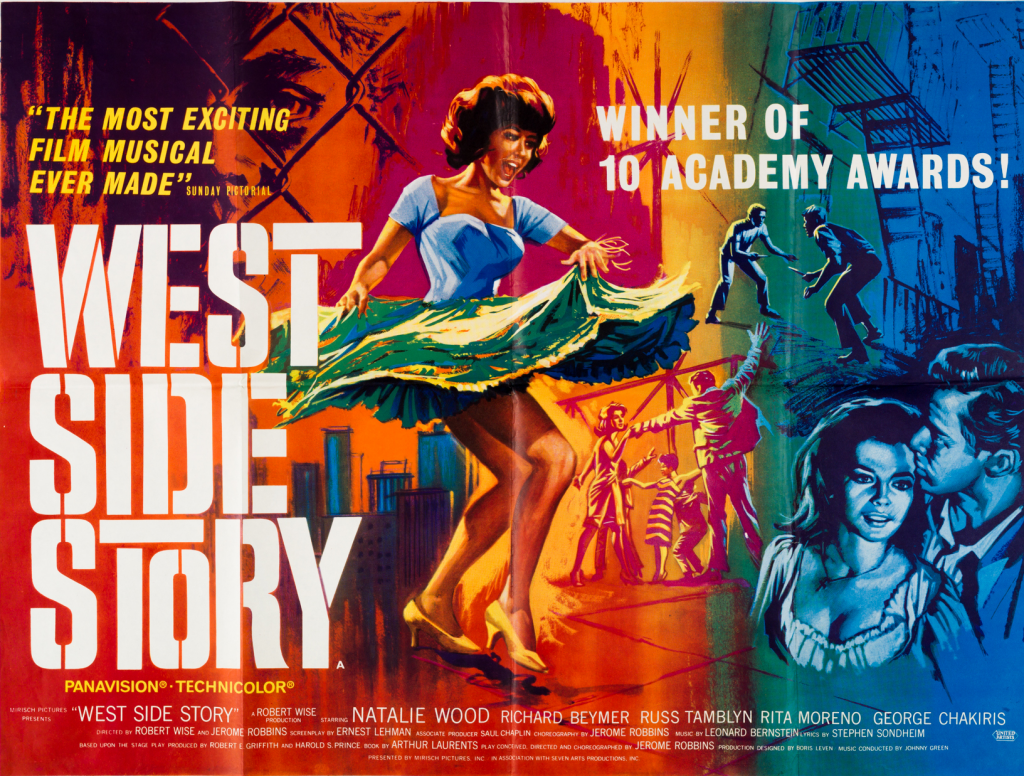
Discussing the film adaptation of West Side Story on its 65th anniversary means you’re discussing a film that’s still disturbingly relevant decades later. The musical riff on Romeo and Juliet hasn’t lost its potency, in no small part because the notion that White people demonize immigrants even in the urban melting pot of New York City has sadly not aged a day. The stage musical on which the film is based has been revived on Broadway a few times since its initial premiere, and the 2021 remake from no less a filmmaker than Steven Spielberg breathed new life into the big-screen depiction of the romance between young star-crossed lovers Tony and Maria. Yet the most fascinating aspect of the first film version of West Side Story is that it was directed by two men with very different approaches to the material. In doing so, those men, Robert Wise and Jerome Robbins, made history while crafting a cinematic musical with quintessential visuals and choreography that best exemplify only one man’s vision.
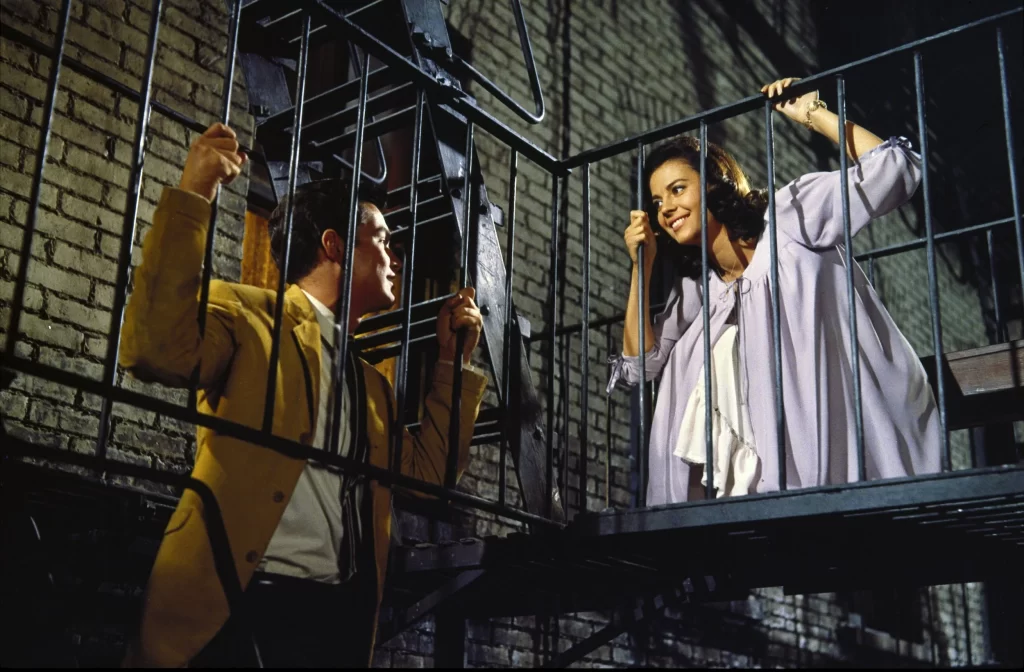
Wise and Robbins were perhaps not a match made in heaven to direct the story of Tony (Richard Beymer), the co-founding member of a White gang called the Jets, and Maria (Natalie Wood), whose brother Bernardo leads a Puerto Rican gang called the Sharks. Their passionate love affair, which can only end in bloodshed, is the backdrop for an operatic story of love and loss as communicated through song and dance. Even if the film version wasn’t a massive hit, West Side Story would be an important piece of stage history, with songs composed by Leonard Bernstein and featuring lyrics from a young Stephen Sondheim. The film version demanded special treatment, considering how big a hit the stage version was.
Its director, Robbins, had no film experience, so executive producer Walter Mirisch brought on Wise to steer the ship. Wise had worked on grittier material in films like Somebody Up There Likes Me and knew how to bring a film in under budget. Robbins was entrusted with bringing to life the various musical sequences, but would end up being removed from the project when he couldn’t complete his work within the 45 days allotted for filming. Even so, Wise was willing to give Robbins a co-directing credit because of his immense contributions. (After the fact, Robbins would receive an honorary Oscar for those contributions.) It’s not exactly daring to suggest that the best things about West Side Story, from the Jets’ and Sharks’ first battle to “America”, are courtesy of Robbins and his work with talented stars like Beymer, George Chakiris, Wood, and Rita Moreno, the latter of whom would win a Best Supporting Actress Oscar.
Moreno is no stranger to working with co-directors on an iconic film musical. West Side Story was the first time two people won for the Best Director Oscar, but it wasn’t the first musical to boast a two-man credit. One notable instance was the 1952 classic Singin’ in the Rain, co-directed by Stanley Donen and the film’s leading man, Gene Kelly. (Moreno, in one of her first film roles, plays Zelda Zanders, a starlet on the side of the film’s villainess, Lina Lamont.) If there’s a crucial difference between these two pairs of directors, it’s that Donen and Kelly each had a background in dancing and choreography and that these two men co-directed a few of Kelly’s best films, including On the Town and It’s Always Fair Weather. (On the Town, as luck would have it, had originated on Broadway, and was directed by Jerome Robbins.) Their vision was unique, but most importantly, it was shared.
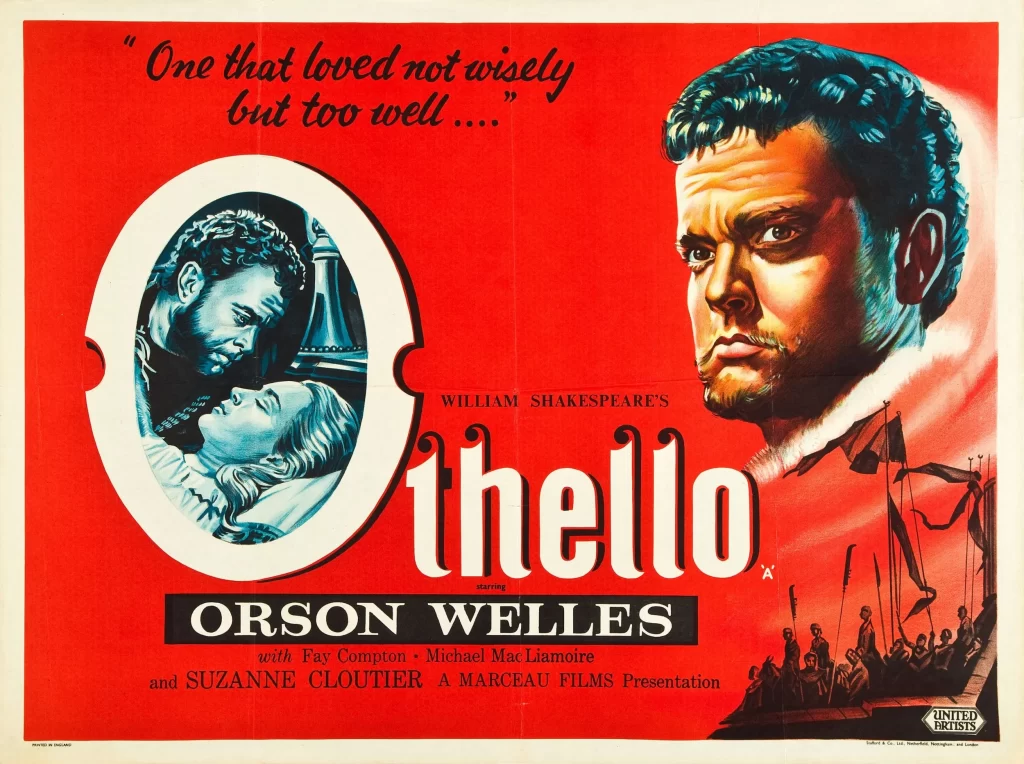
Wise was a filmmaker with many notable credits, but a journeyman as compared to Donen, Kelly, and Robbins. His other films include everything from the sci-fi classic The Day the Earth Stood Still to the historical disaster film The Hindenburg to the splashy mid-1960s adaptation of The Sound of Music. (Some cinephiles know him best, or perhaps worst, for his destructive work as editor on Orson Welles’ The Magnificent Ambersons.) It’s not that his work in West Side Story isn’t important, but that the film’s most iconic aspects, such as its arresting use of color in the dance at the gymnasium, its vibrant costumes, and the beautiful displays of physical movement feel largely thanks to Jerome Robbins, as opposed to a fusion of two men’s distinctive cinematic sense.
Robert Wise and Jerome Robbins made history when they became the first duo to win for Best Director at the Oscars, but it’s honestly more telling to see what other pairs won the same award: the Coen Brothers for No Country for Old Men and the Daniels for Everything Everywhere All At Once. Whatever your thoughts of those two modern Best Picture winners are, they are undeniably the result of a shared vision. West Side Story, like those other films, also won for Best Picture, deservedly so. Robbins, notably, never worked on another film as director, but would continue to direct some of the most iconic Broadway shows ever, like A Funny Thing Happened on the Way to the Forum and Fiddler on the Roof. Wise was a part of one of the great film musicals, yes, but in spite of sharing the director credit, it felt like Robbins was what helped make the movie stand the test of time.
“West Side Story” is streaming on Tubi, Kanopy, Hoopla, and YouTube.