Sara Batkie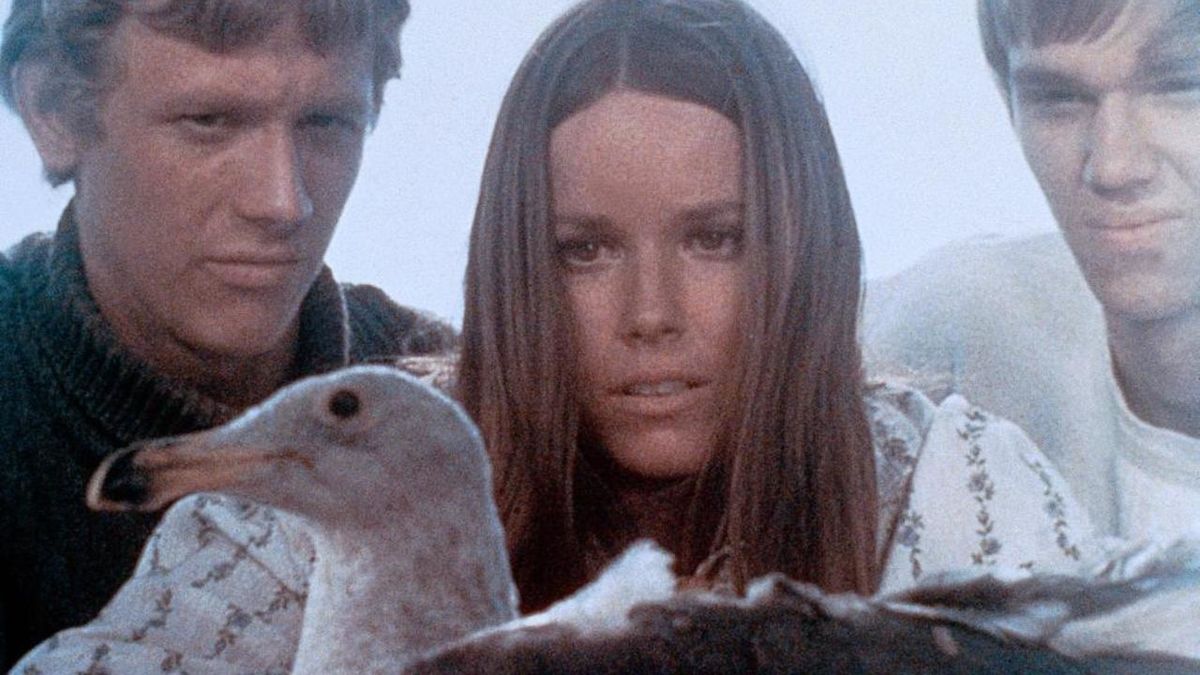
One of the biggest lies that pop culture sold the younger generations is that the Summer of Love was a groovy time. But you don’t have to peek far below the surface of flower child fantasies like the Human Be-In and Merry Pranksters for a much queasier picture to emerge. It was an era of great social change and upheaval, some of it for the common good, but also of dumb kids wielding power in ways that could look a lot like the cruelties their parents inflicted. In that sense, Frank Perry’s Last Summer – released in 1969 but unseeable in its proper form for years – stands as the cinematic epitome of those contradictions. Newly restored and released on Blu-Ray from Warner Archives this month, the younger generations now have a chance to discover it. That is, if they can stomach the dark depths it plumbs.
It starts innocently enough. Carefree teenagers Peter (Richard Thomas, three years before his career-defining role on The Waltons) and Dan (Bruce Davison, perfectly callow) are first seen walking down a Fire Island beach. They come upon Sandy (Barbara Hershey, mastering a very specific brand of mean girl) who has found an injured seagull in the sand and asks for their help. The dynamics of the trio are established almost immediately: the two boys vie for Sandy’s attention while she tests the outer limits of their boundaries. Together they spend their days running through the waves, playing truth or dare games, and smoking pot. Their parents are largely absent, off on adventures in the city or hosting parties of their own. Both boys are virgins, and suspect Sandy is too, but all are at pains to appear otherwise. It’s the sort of atmosphere where horniness and inexperience can combust into something volatile.
Into this crucible wanders Rhoda (Catherine Burns, who earned an Oscar nomination for her work here), a slightly younger teen from Ohio whose awkward braces and unflattering haircut stand in stark contrast to Sandy’s tanned beauty. Her killjoy personality quickly triggers Sandy’s sadistic streak, and Rhoda becomes the object of the other kids’ amusement and cruelty. She’s clearly disturbed by their behavior but goes along with it nonetheless. The air of foreboding that hangs over the proceedings begins to harden along with the characters, culminating in an act of violence that they’ll carry with them the rest of their lives.
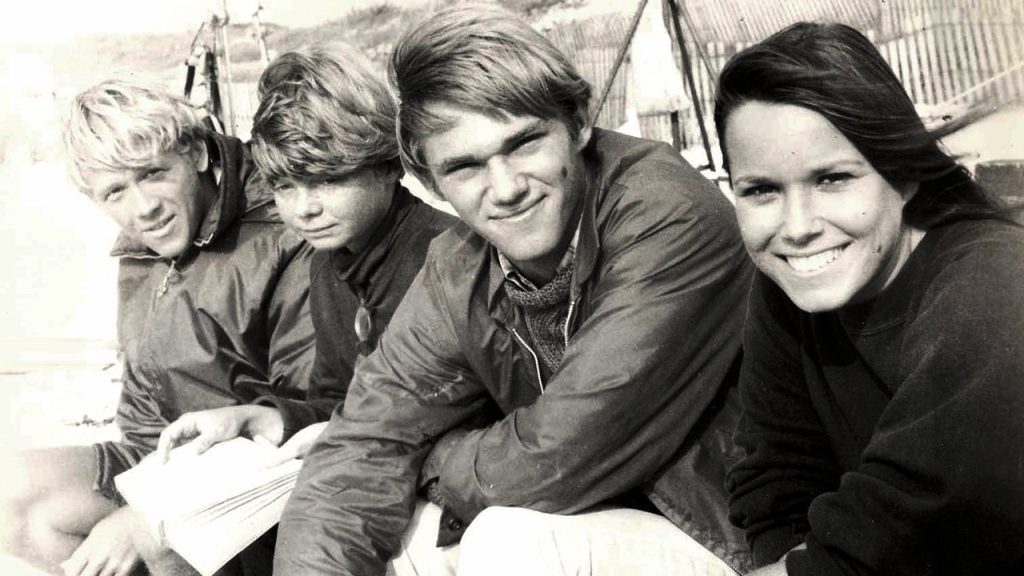
For viewers in 1969, Last Summer must have come as quite a shock. Movies about young people at the beach typically featured surfing and dancing, not scenes of groping one another in a movie theater or long confessions about the death of a parent. But screenwriter Eleanor Perry (Frank’s wife at the time, and his longtime collaborator), working from the source novel by Evan Hunter, evinces a sensitive understanding of the tumultuous emotions that churn through adolescence. Though the film’s sympathies tilt towards Rhoda and Peter, to a certain extent, it also grants a wizened compassion to instigators Dan and Sandy, neither of whom seem to fully understand the frightening potential of their manipulations until it’s too late. All of it is captured by Frank Perry with a hazy, intimate camerawork that makes it feel like it’s already a memory, though that does little to blunt its brutalities.
Along with Midnight Cowboy and Medium Cool, Last Summer was one of the first films to receive the newly created X-rating, though Frank was able to appeal the decision after some minor edits. It was a modest success when it was initially released, going on to play drive-ins and, in a heavily censored version, on television. But after its distributor Allied Artists went out of business, it seemed to disappear as well. Released only once on VHS back in the early 80s and with prints difficult, if not impossible, to come by, it became something of a holy grail for cinephiles. Occasionally it aired on Turner Classic Movies, and a rough-looking rip would show up on the internet. But until Warner acquired the Allied Artists’s back catalogue and began reviewing the surviving materials, it was feared lost.
Such rescue missions can feel like small miracles in this day and age, especially as studios begin to consolidate and hoard their libraries in so-called vaults. But the care taken with Last Summer proves that it’s still work worth doing. While New Hollywood classics like Easy Rider and The Last Picture Show have long held a monopoly on the popular imagination as emblematic of the movement, there’s an uncompromising candor to Frank and Eleanor Perry’s film that still feels unique, particularly for the ways it punctures our nostalgic view of the period as free and liberating. By the time the title card finally appears in Last Summer’s closing moments, it feels less like the end of a season than the end of an era.
“Last Summer” is out now on Blu-ray from Warner Archive.