Sean Burns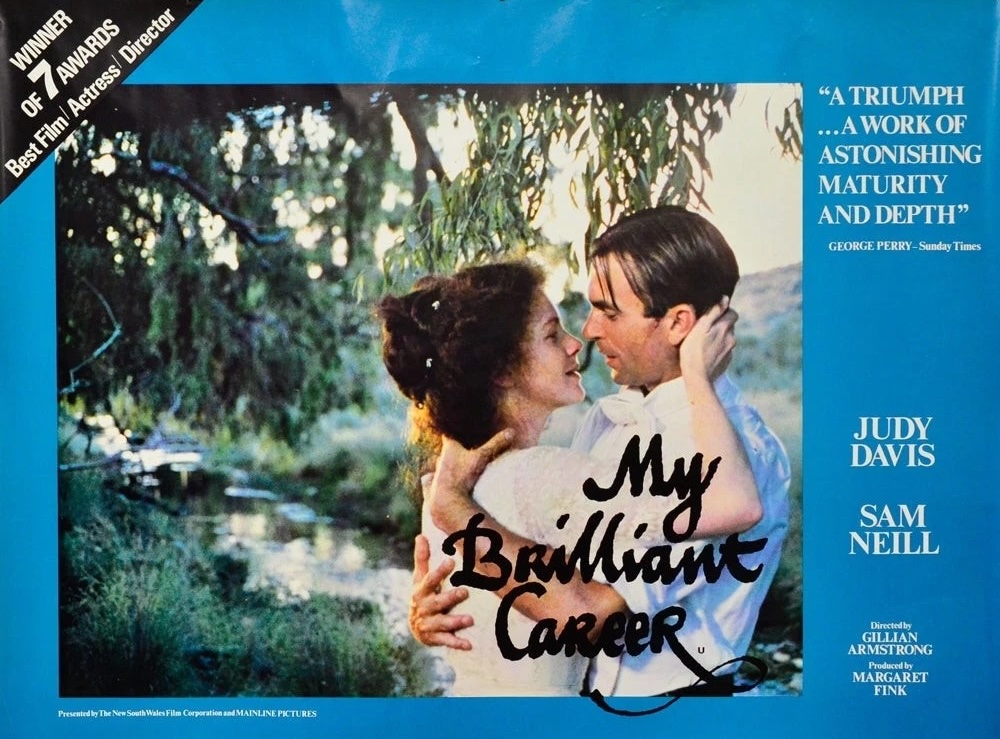
The late Sam Neill was such a dashing leading man that he very nearly played 007, losing out to Timothy Dalton in the late casting rounds for The Living Daylights. He made his Hollywood debut as a smooth-talking grown-up Damien in Omen III: The Final Conflict, and remained a horror mainstay in cult favorites like Event Horizon and In the Mouth of Madness. But looking back over Neill’s long career, what made him unique among actors of his generation was his willingness to be upstaged by his female co-stars.
Neill was not a needy performer, and generously ceded the spotlight to the likes of Meryl Streep’s Oscar-nominated caterwauling in A Cry in the Dark and Isabelle Adjani’s career-defining freakout in Possession. Not a lot of actors would have allowed themselves to be sidelined while Nicole Kidman saved herself from Billy Zane in Dead Calm, or let Holly Hunter cuckold them with Harvey Keitel in The Piano. But Neill didn’t have that kind of actorly ego, and appeared perfectly content to let the women in his pictures take center stage. (It’s also worth remembering that the dinosaurs in Jurassic Park were all female.)
You can trace this tendency all the way back to one of his very first films. In Gillian Armstrong’s 1979 My Brilliant Career, Neill plays a strikingly handsome, lovelorn son of privilege who – like the rest of us in the audience – is bowled over by Judy Davis’ headstrong Sybylla Melvyn. Sybylla is a piece of work. Mischievous, impetuous and generally ungovernable, she’s a wild child plucked from her family’s failing farm on the Australian Outback and sent to live with her prim and proper maternal grandmother in the hopes of instilling some sort of grace and good breeding before it’s too late for her to find a husband.
Despite constant protestations of her own “ugliness” and a general inability to behave in public, Sybylla finds no shortage of would-be suitors at her grandmother’s cushy estate. The bumbling jackaroo Frank Hawdon (Robert Grubb) is most overt in his intentions, which she doesn’t take seriously for a second. Childhood friend Harry Beecham is another story. Neill plays him as a bit of a rascal, at first mistaking Sybylla for the hired help and skirting the edges of propriety with an inappropriate advance. Armstrong and cinematographer Donald McAlpine shoot him like a beautiful woman, the camera making explicit a female gaze that most audiences weren’t accustomed to in 1979, when female filmmakers were still a rarity.
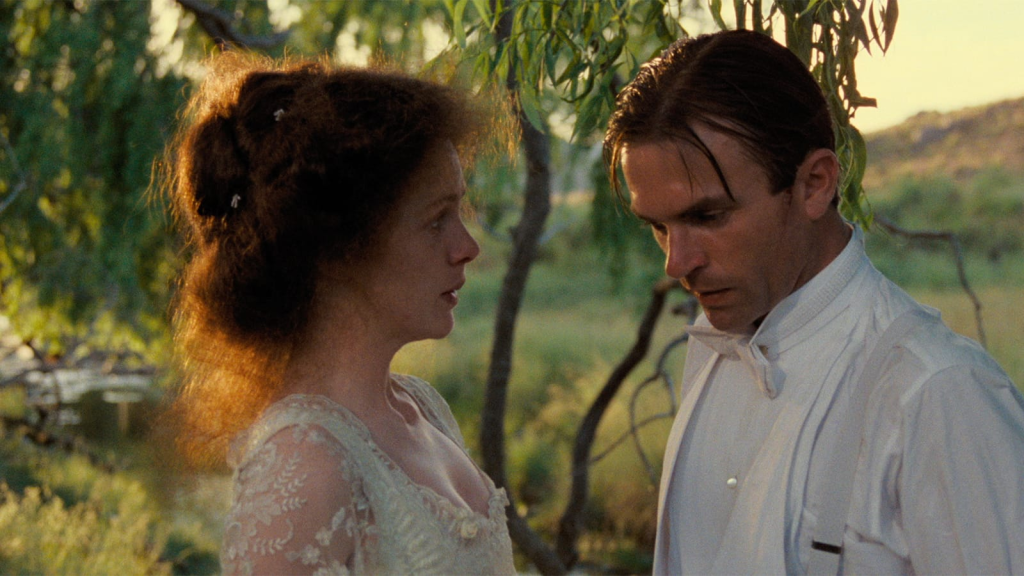
Even rarer was a heroine like Sybylla. The 24-year-old Davis had just graduated from Australia’s National Institute of Dramatic Art, earning accolades for her performance as Juliet opposite Mel Gibson’s Romeo. (Man, I wish somebody had recorded that.) With her smattering of freckles and wild, frizzy hair, Davis didn’t exactly look like a leading lady, but everyone in the movie always calling her “ugly” seems a bit much. Perhaps they’re more put off by her manners, or lack thereof, and propensity for starting pillow fights in the middle of the afternoon. When Neill’s Beecham tries to take her for a romantic boat ride, she promptly capsizes the vessel. (Showing Sybylla literally rocking the boat might be putting too fine a point on things, as far as visual metaphors go.)
Davis is a dynamo. Her symphony of shredded nerves in Woody Allen’s Husbands and Wives is one of the great screen performances of the 1990s, one my friends and I still find ourselves quoting at least once a month. (“Don’t defend your sex!”) By all accounts, she didn’t care much for her own work in My Brilliant Career, worried that she was too off-putting and that nobody would want to spend 100 minutes with Sybylla. But that very volatility is what makes the men in the movie want to spend the rest of their lives with her, especially Neill’s Beecham, who proposes not once, but twice.
Based on the 1901 autobiographical novel by Miles Franklin (also known as Stella Maria Sarah Miles Franklin) My Brilliant Career seems like it’s headed for the quaint marriage plot audiences are accustomed to in period comedies. But Sybylla has said from the outset that she isn’t interested in a husband and the movie actually means it, veering away from the conventional happy ending to a triumph more personal and hard won. It’s funny that Armstrong’s one big Hollywood hit was her 1994 adaptation of Little Women, because she’d already made one where Jo doesn’t have to marry Mr. Baher. Though come to think of it, Sam Neill could have played a fine Mr. Baher indeed.
“My Brilliant Career” is streaming on the Criterion Channel and HBO Max.