Kayleigh Donaldson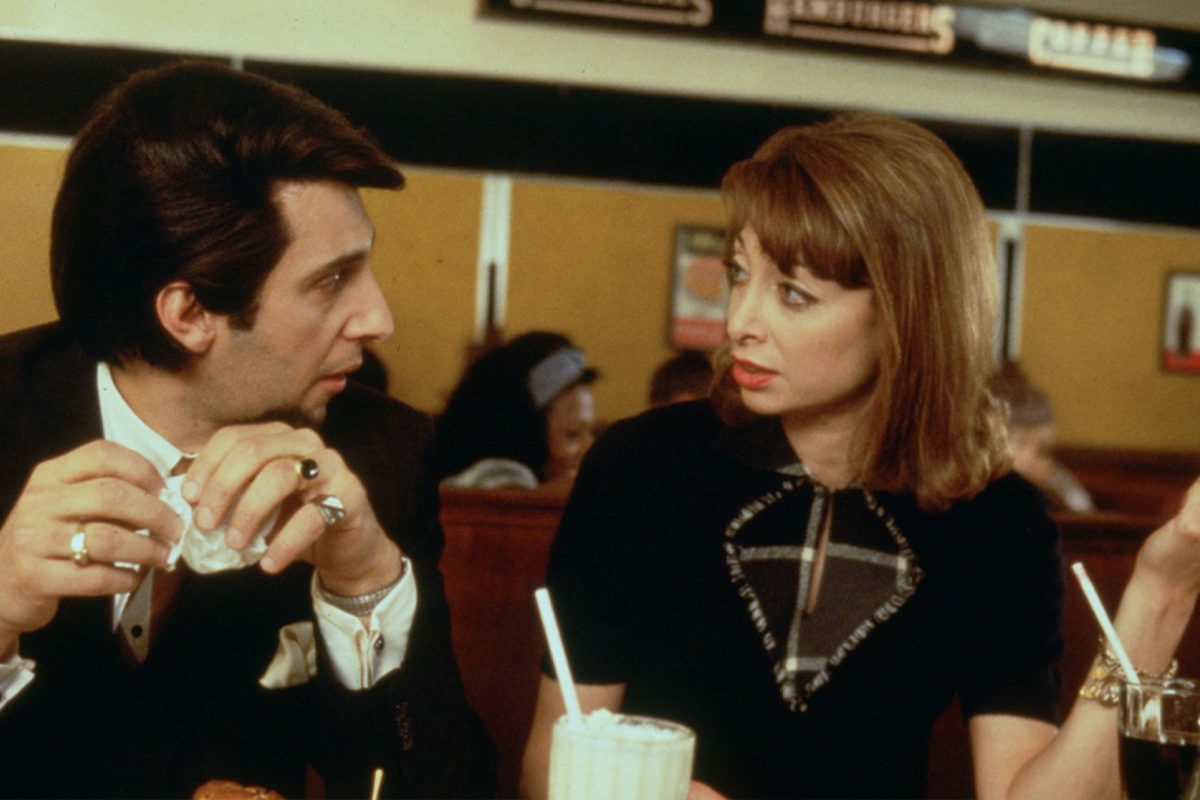
Most biopics of beloved singers are, let’s be honest, pretty mediocre. When the musicians and their estates value brand expansion over a compelling narrative, it’s no wonder that the end result is usually a derivative narrative that shies away from darker details in favor of pandering to the base. It’s far harder to sell greatest hits albums when you portray your subject with an honesty that exposes their bleakest moments. To bypass the demands of IP and offer something with a greater essence of truth, many filmmakers have made biopics in all but name. They lightly fictionalize recognizable figures but retain the crucial parts that allow them to provide insight into the people behind the icons. Consider Todd Haynes’s Velvet Goldmine, which remains the definitive David Bowie biopic, or Bob Fosse’s self-vivisection memoir with All That Jazz. There are plans to make a film out of Beautiful, the Broadway musical based on the life of Carole King. But we doubt it will be as good as Grace of My Heart.
Allison Anders was not shy about discussing the influences behind her 1996 drama. Initially planning to make a film inspired by the legendary girl group The Shangri-Las, she found herself drawn to the story of King, the beloved singer-songwriter who got her start writing hits for acts like The Monkees and Aretha Franklin while working at the Brill Building in New York City. In Grace of My Heart, Edna Buxton (Illeana Douglas), a well-to-do heiress, chases her dreams of becoming a singer in the Big Apple. With “girl singers” on the way out, she’s convinced to bring her songwriting skills to Joel Milner (John Turturro), a motormouth producer who wants her to help make hits for male groups. At the Brill Building, she reinvents herself as Denise Waverly and finds a way to bring her work to the mainstream while navigating workplace sexism and a torrid romance with fellow songwriter Howard (Eric Stoltz).
The biographical minutiae isn’t in lockstep with those of King’s life, but the emotional and artistic details are spot-on evocations of what made her songs so thrilling. Many biopics of artists stumble in their depictions of the creative process; the need to draw direct connections between the subject’s life and their work has led to a lot of straw-grasping scenes where a random character says the title of a major song, and it leads to a lightbulb moment. Grace of My Heart sidetracks this problem by having a gorgeous soundtrack of largely original songs written for the film.
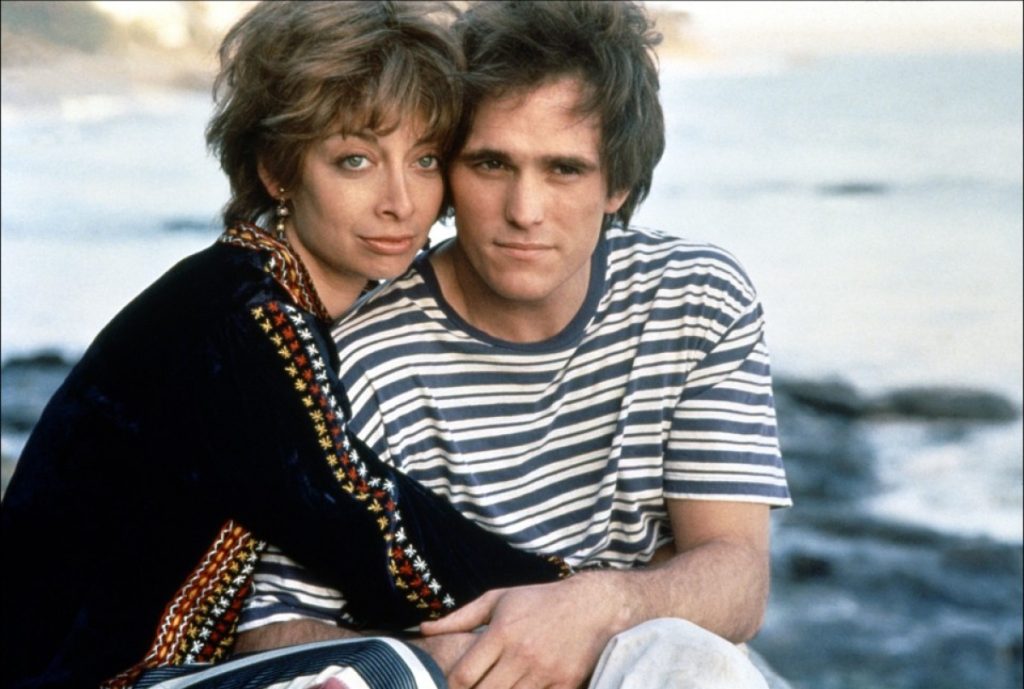
And wow, what an array of contributors: Joni Mitchell, Lesley Gore, Dave Stewart, and Gerry Coffin, Carole King’s first husband and the man who worked on many of the Brill Building’s biggest hits. The crowning jewel is “God Give Me Strength,” written by Elvis Costello and Burt Bacharach, which serves as Denise’s big solo single. Lushly produced in the mold of Brian Wilson, the achingly personal song feels like it was flung straight out of the mid-1960s.
Denise is meant to be an anonymous figure behind the talent, the malleable writer who can make a hit that could be sung by anyone. She’s also a rare woman in a man’s space, one where white dudes have been tasked with “safe” and mainstream-friendly songs for Black singers. It’s not a realm with much room for personal storytelling, but Denise and songwriting partners Howard and Cheryl (Patsy Kensit) find ways to infiltrate radio with deeper messages. A song about an unwanted pregnancy is banned from the charts but championed by an Alan Freed-esque DJ. A young ingénue singer hiding her sexuality (inspired by Lesley Gore) is given a coded song about her lesbian romance by Denise, and it sneaks past the censors. In the Brill Building, trends change as regularly as the tides, and Denise and company must evolve with it. Through the songs, Grace of My Heart finds a savvy way to offer meta commentary on other stars of the era as well as King.
Even now, it feels uncommon to see a film with such tender concern and a sharp focus on the intersections of art and femininity. This is a story about how being a woman shapes your creativity, whether it’s through battling workplace sexism, juggling the duties of motherhood, or simply navigating spaces that were never meant to accommodate you. That’s certainly something Anders was familiar with, as one of the few female directors gaining traction in the bro-dominant world of ‘90s indie cinema. Denise moves through the ’60s and its intense feminist changes, finding ways to change with the times (this is a rare film featuring an abortion that isn’t treated as the end of the world for the woman undergoing the procedure). This is not a story of tormented male genius and all the allowances society typically makes for such drama. Denise is a cog in the machine who is nonetheless thrilled by her work, and from that, Grace of My Heart reveals the magic within.
“Grace of My Heart” is streaming on the Criterion Collection and available for digital rental or purchase.